
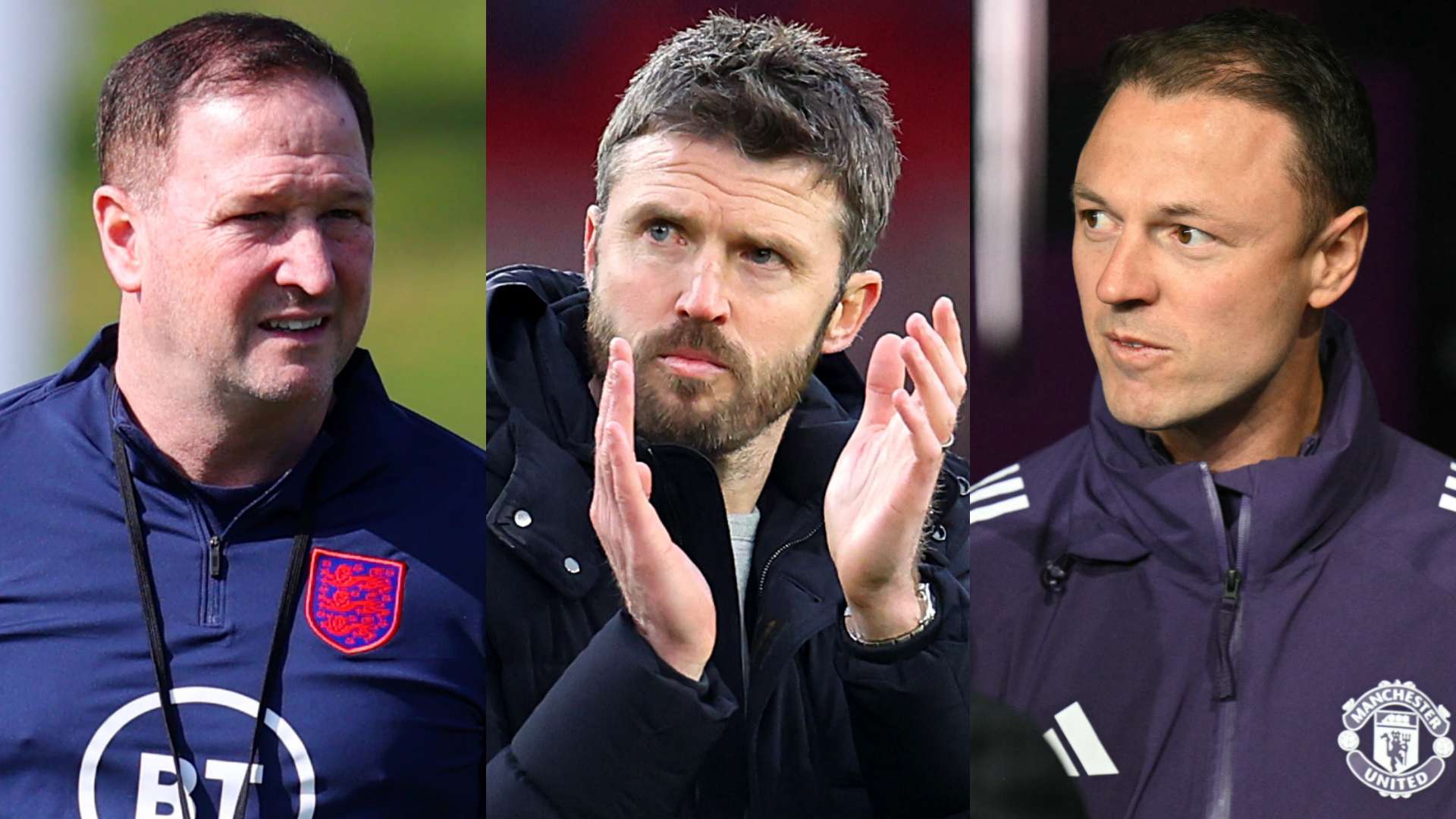

Roy Keane Criticizes Manchester United’s New Coaching Team
Former Manchester United captain Roy Keane has not held back in his criticism of the club’s new coaching team, which includes Steve Holland, Jonny Evans, and Jonathan Woodgate alongside interim boss Michael Carrick. Keane has raised concerns about the recent appointments, particularly highlighting the fact that some members of the backroom staff were “on the beach a week ago,” suggesting a lack of commitment and focus.
Questioning the Direction of Manchester United
Keane’s comments have once again stirred up debate among football fans and experts about the current state of affairs at Manchester United. With the team facing a period of transition following the departure of former manager Ole Gunnar Solskjaer, the choice of coaching staff has come under scrutiny. Keane’s observations have raised more questions about the direction in which the Red Devils are heading and whether the new appointments will be able to steer the team towards success.
Criticism of Backroom Staff
Keane’s criticism of the new coaching team is not unfounded, as the backgrounds of some of the members have raised eyebrows within the football community. Steve Holland, who previously worked as an assistant coach for the England national team, may bring valuable experience, but questions remain about his ability to make a significant impact at a club like Manchester United. Jonny Evans and Jonathan Woodgate, both former players with limited coaching experience, have also come under scrutiny for their roles within the setup.
Keane’s comments highlight the importance of having a strong and experienced coaching team in place to guide a team like Manchester United through challenging times. With the club currently facing a period of transition on and off the pitch, the role of the coaching staff in shaping the team’s future success cannot be understated.
Implications for Manchester United
The criticism from Roy Keane has added to the pressure on the new coaching team at Manchester United to deliver results quickly. With the team already facing challenges in the Premier League and other competitions, the focus is now on how Carrick, Holland, Evans, and Woodgate will be able to work together to turn things around.
Manchester United fans will be watching closely to see how the coaching staff’s impact on the team’s performance in the coming weeks. The pressure is on for Carrick and his team to prove Keane wrong and show that they have what it takes to lead Manchester United back to the top of English football.
In conclusion, Roy Keane’s criticism of Manchester United’s new coaching team has sparked discussions about the direction of the club and the ability of the staff to deliver success. As the team navigates through a period of transition, all eyes will be on how the coaching staff handles the challenges ahead and whether they can meet the high expectations set by fans and critics alike.
Manchester United’s History of Success
Manchester United holds a storied history in English football, boasting a record number of league titles and domestic cup trophies. The club has a tradition of playing attacking, entertaining football that has captured the hearts of fans worldwide. However, in recent years, the Red Devils have faced challenges in maintaining their dominance on the pitch, leading to a series of managerial changes and shifts in coaching staff.
With the departure of long-time manager Sir Alex Ferguson in 2013, Manchester United has struggled to find stability and recreate the success of previous eras. The club has gone through a revolving door of managers, each with their own vision and style of play. The recent appointment of Michael Carrick as interim boss, alongside a new coaching team, represents another chapter in the club’s quest to return to the summit of English football.
The Importance of Strong Coaching
Coaching staff play a crucial role in shaping a team’s performance on the field. They are responsible for developing tactical strategies, improving player skills, and creating a positive team culture that fosters success. A strong coaching team can make a significant difference in a team’s fortunes, helping players reach their full potential and achieve results on matchdays.
For a club like Manchester United, with a rich tradition and high expectations, the pressure on the coaching staff is immense. They are tasked with not only guiding the team through transitional periods but also delivering results that satisfy the demanding fan base and club hierarchy. The scrutiny on every decision and tactical move is intense, requiring a level of expertise and experience to navigate the challenges of top-level football.
The Role of Criticism in Football
Criticism is a common occurrence in the world of football, with pundits, former players, and fans sharing their opinions on teams, players, and coaching staff. While criticism can sometimes be harsh, it can also serve as a motivator for individuals and teams to prove their doubters wrong and strive for success. Roy Keane’s comments on Manchester United’s coaching team may have ignited a fire within the staff to showcase their abilities and demonstrate their worth to the club.
It is essential for coaching staff to embrace criticism, learn from it, and use it as a tool for improvement. The ability to adapt, evolve, and respond to feedback is crucial in the competitive environment of professional football. By addressing the concerns raised by Keane and other critics, the coaching team at Manchester United can demonstrate their resilience and determination to succeed.
Looking Ahead
As Manchester United navigates through a period of transition and adjustment, the focus remains on the coaching staff’s ability to lead the team to victory. The coming weeks will be crucial in determining the direction of the club and the impact of the new appointments on player performance and results.
Fans, pundits, and rivals will be watching closely to see how Carrick, Holland, Evans, and Woodgate handle the challenges ahead and whether they can inspire a resurgence in Manchester United’s fortunes. The pressure is on for the coaching team to prove their critics wrong and guide the Red Devils back to glory in the competitive world of English football.
In conclusion, the criticism of Manchester United’s coaching team serves as a reminder of the high expectations and scrutiny that come with managing a top-tier football club. As the team strives to find success on the pitch, the coaching staff’s ability to navigate challenges, adapt to feedback, and deliver results will be critical in shaping the future of one of England’s most iconic football clubs.
