
Michael Olise’s Frustration with Bundesliga Refereeing Raises Questions About Fair Play and Match Prediction Accuracy
The world of football is often characterized by intense competition, emotional displays, and passionate debates over refereeing decisions. Recently, Bayern Munich star Michael Olise has become a focal point in discussions surrounding the consistency and fairness of officiating in the Bundesliga. His outspoken dissatisfaction with the referees’ treatment of him has not only sparked media attention but also reignited conversations about the accuracy of football predictions and the importance of officiating integrity in the sport.
Olise Claims Referees Are Failing to Protect Players Equitably
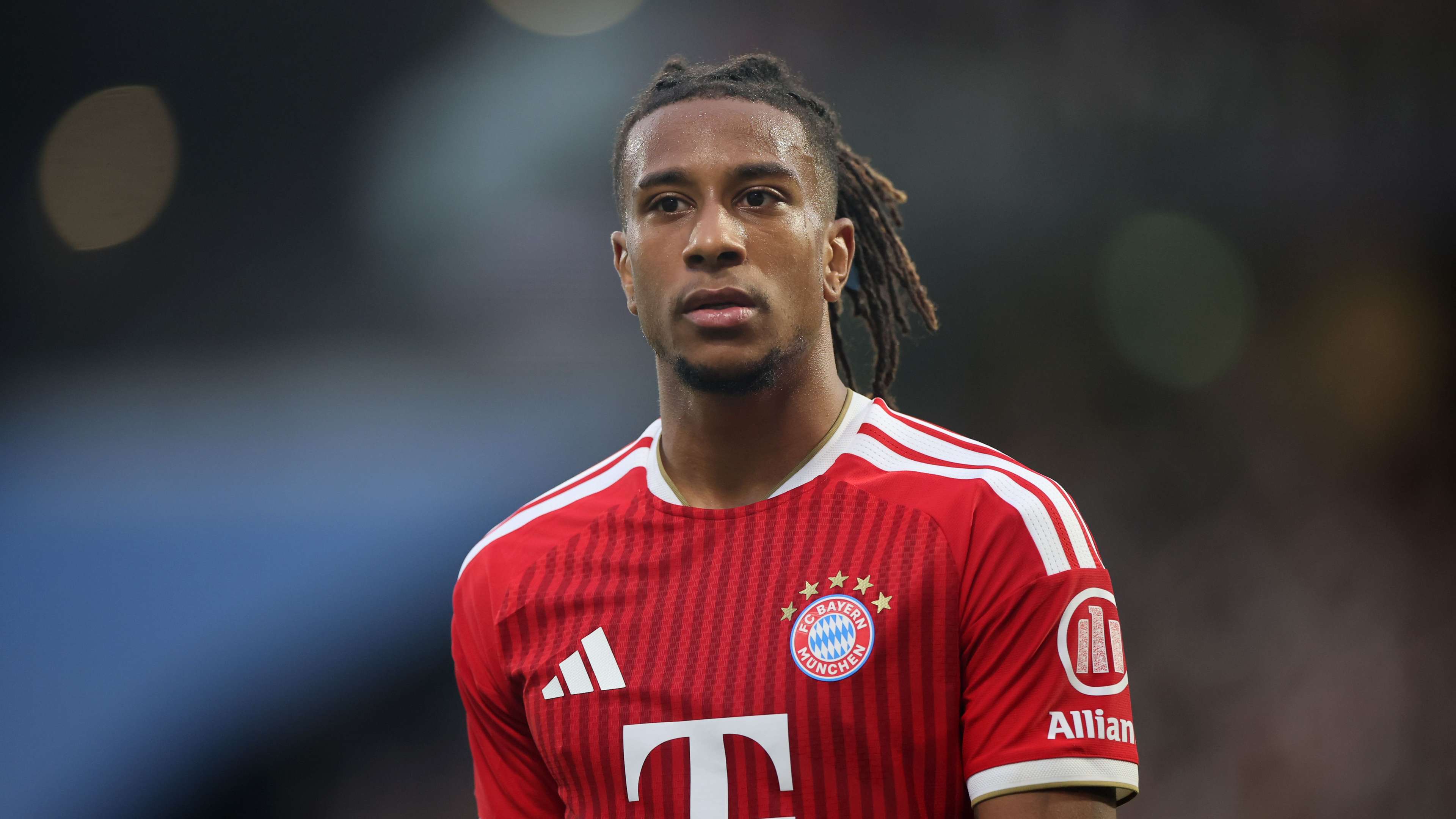
According to a detailed report by French sports newspaper L’Equipe, Olise feels that he is often unfairly disadvantaged by German referees, who he believes do not provide adequate protection on the pitch. The 24-year-old attacking midfielder, known for his flair and creativity, has expressed frustration that opponents tend to defend against him with excessive aggression, yet referees fail to enforce consistent disciplinary measures.
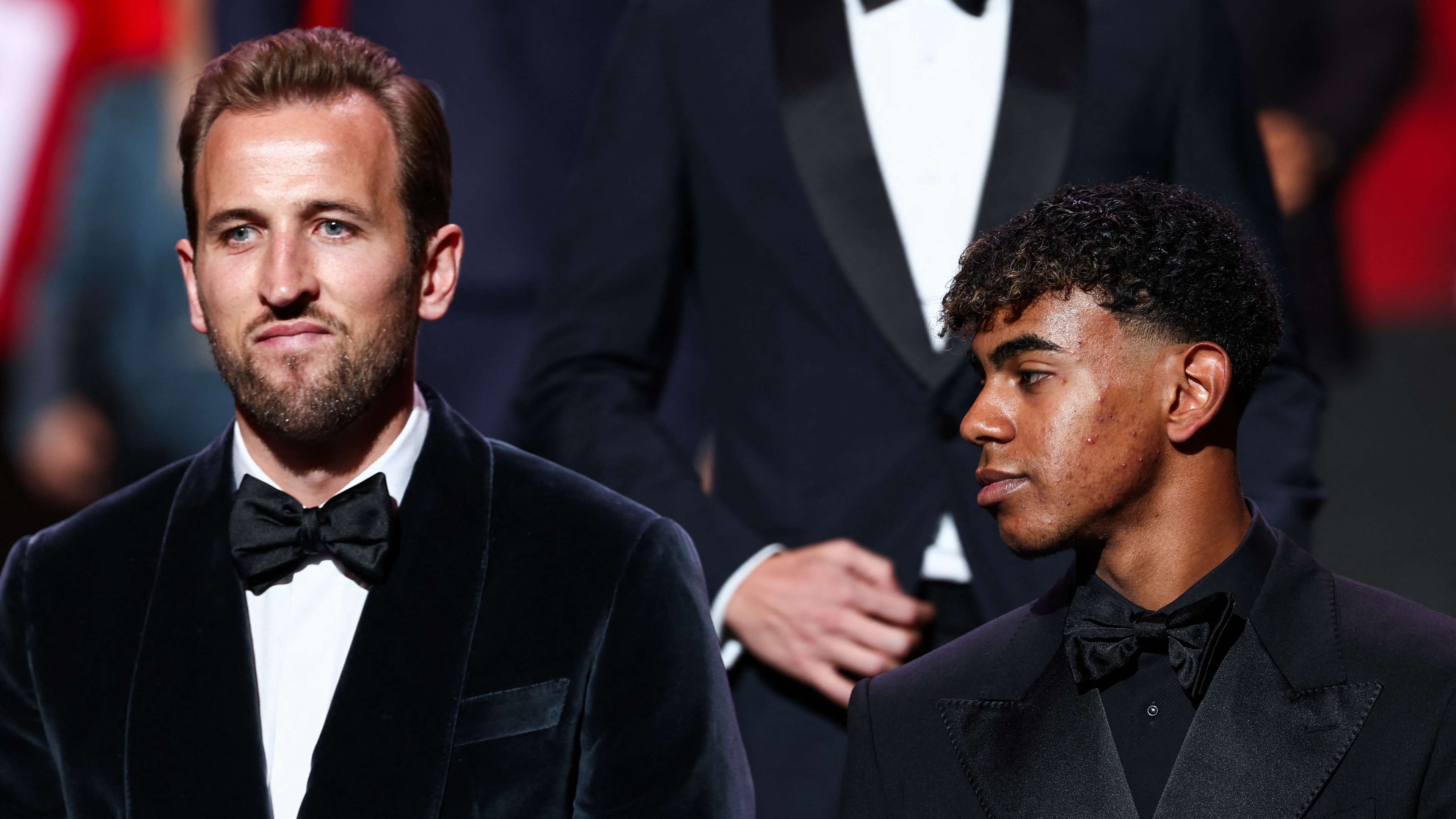
One incident that exemplifies Olise’s concerns occurred during a recent 0-0 draw against FC Schalke 04. As the match unfolded, TV footage captured Olise confronting the match official, referee Robert Schröder, after being involved in a challenge that saw three Schalke players swarm him. The Frenchman’s vehement protest was so intense that Harry Kane, Bayern’s prolific striker, stepped in to pull Olise away, fearing a potential yellow card for dissent.
During this tense exchange, Olise reportedly urged Schröder to take action against Schalke’s overly aggressive defenders. He is said to have exclaimed, “You have to be more consistent. Otherwise, I’ll end up getting massacred. You can’t just stand there and do nothing about their rough tactics. Everything can’t be allowed to go unchecked—that’s just not fair.”
The Broader Context: Inconsistent Officiating and Its Impact on Football Predictions
Olise’s grievances are not isolated; many players and analysts have pointed out the challenges posed by inconsistent refereeing in the Bundesliga and other major leagues. Such discrepancies can significantly influence match outcomes, thereby complicating efforts to make accurate football predictions. Fans and betting companies alike rely on the assumption that referees apply the rules fairly and uniformly. When these standards are perceived to be uneven, it undermines confidence in prediction models and forecasts.
In recent seasons, heightened scrutiny has been placed on referees’ decisions, especially regarding fouls, penalties, and disciplinary actions. This scrutiny is amplified by the advent of advanced VAR (Video Assistant Referee) technology, which aims to reduce errors but has also introduced new debates over subjective interpretations and the consistency of officiating.
Olise’s Uncharacteristic Outburst: The “Mr. Nonchalant” Turns Vocal
Interestingly, Olise’s reaction to refereeing issues marks a departure from his usual reserved demeanor. Often dubbed “Mr. Nonchalant” by fans and commentators, the French winger is known for his calm, collected attitude both on and off the pitch. This nickname stems from his tendency to appear emotionless or indifferent during interviews and public appearances, a trait that has endeared him to some fans but also led to perceptions of aloofness.
However, following Bayern’s emphatic 5-0 victory over Bodø/Glimt in the UEFA Champions League, Olise delivered a notably terse interview that drew mixed reactions. His responses to a DAZN reporter were short, almost dismissive, prompting some to question whether his cool exterior masks deeper frustrations.
Support from Bayern Leadership and the Role of Player Persona in Public Relations
Despite the unusual nature of his recent interview, Bayern Munich’s management and coaching staff have publicly defended Olise. Max Eberl, the club’s sporting director, emphasized that Olise’s personality is authentic and that his focus remains on performing well on the pitch. He stated, “Michael wants to play football, and everything around it leaves him rather cold. That’s just who he is, and it’s part of his charm.”
Head coach Vincent Kompany echoed these sentiments, adding a tongue-in-cheek remark about how Olise’s unflappable manner actually benefits the club’s marketing and sponsorship efforts. “If he answered every question like I do, nothing would go viral,” Kompany quipped. He also highlighted that Olise conducts himself professionally off the pitch, reinforcing the idea that his reserved nature does not impact his professionalism or commitment to Bayern’s success.
The Upcoming Challenge: Bayern’s Next Test Against Union Berlin
Looking ahead, Bayern Munich prepares for a crucial fixture against Union Berlin, scheduled just before the international break. The match will be officiated by referee Benjamin Brand, and it promises to be another test of both the team’s resilience and the effectiveness of officiating standards in the Bundesliga.
For football prediction enthusiasts, this game offers an intriguing opportunity to analyze how refereeing consistency might influence the outcome. As football experts continue to refine their models, understanding the nuances of officiating decisions becomes increasingly vital in making accurate predictions about match results and player performances.
The Broader Implications: How Refereeing Shapes Football Predictions and Fan Engagement
Refereeing controversies have long been a part of football’s rich history, but recent developments underscore their importance in the modern game. Accurate predictions depend on multiple factors, including team form, player fitness, tactical setups—and crucially, officiating quality. When referees are perceived as inconsistent or biased, it introduces an element of unpredictability that can skew forecasts and betting odds.
Moreover, high-profile incidents like Olise’s confrontation with officials highlight the need for ongoing referee training and transparency. Fans and analysts increasingly demand accountability, pushing governing bodies to adopt technology and standards that promote fairness.
Conclusion: The Intersection of Player Frustration, Refereeing, and Football Prediction Accuracy
Michael Olise’s recent outburst and his outspoken stance on refereeing fairness serve as a reminder of the delicate balance between player conduct, officiating standards, and the broader ecosystem of football predictions. As the sport continues to evolve with technological advancements and increased scrutiny, stakeholders—from fans to betting companies—must stay informed about how officiating influences game outcomes.
Ultimately, the quest for fair play and accurate prediction models depends on consistent, transparent refereeing—an aspect of football that remains under constant development. Olise’s case exemplifies how individual player experiences can reflect larger issues within the sport, prompting ongoing debates that shape the future of football prediction accuracy and fan engagement worldwide.