
Harry Kane’s Ballon d’Or triumph sparks questions over possible knighthood
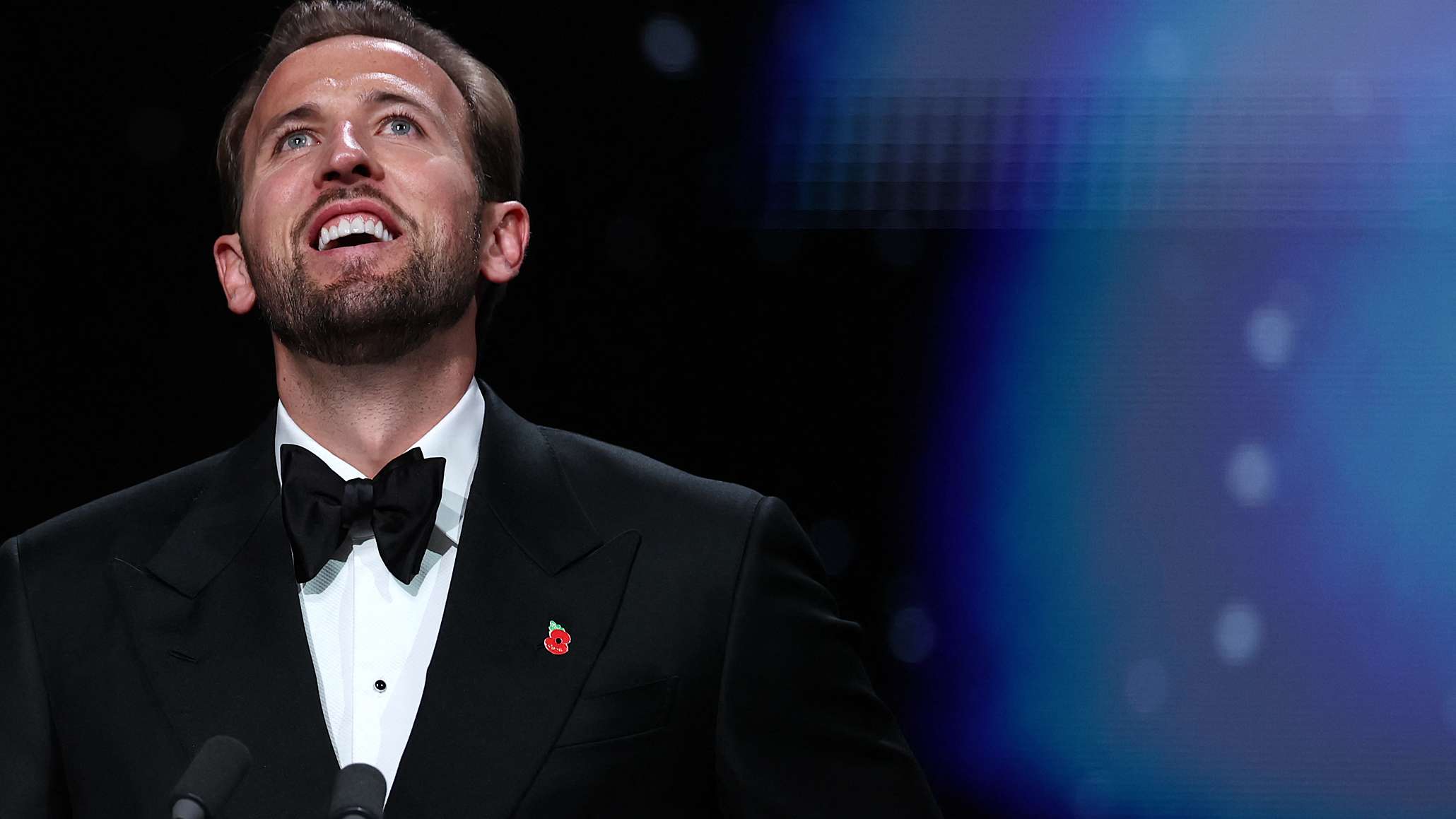
Harry Kane’s latest career milestone has prompted a new question in English football: could the Bayern Munich striker receive a knighthood? The England captain has reportedly become the first Englishman in 25 years to win the Ballon d’Or, a landmark achievement that has drawn praise from political leaders and renewed attention to his place in the sport’s history.
However, there has been no confirmation that Kane is being considered for one of the United Kingdom’s highest honours. A spokesperson for Prime Minister Andy Burnham’s office declined to speculate, saying that while Kane’s contribution to English football is widely recognised, the government would not get ahead of the formal honours process.
Prime Minister praises Kane’s achievement
Burnham congratulated Kane after his Ballon d’Or victory on Monday evening, describing the achievement as “exceptional.” He also praised the striker as “a wonderful example to young players across the country,” highlighting the influence Kane has had both on the pitch and as a prominent figure in the England setup.
When asked whether the 33-year-old could be knighted, the Prime Minister’s spokesperson offered a measured response, according to the British newspaper Metro. “Everyone would agree that Harry Kane has given a great deal to English football, and this is a very special moment for him in the country,” the spokesperson said. “But as usual, I won’t pre-empt the honours process.”
The comment neither confirms nor rules out a future honour. Knighthoods and other national awards are decided through an established process, and public praise from a prime minister does not automatically mean that a nomination has been made or approved. For now, the possibility remains speculation rather than an announced decision.
What a knighthood would mean
A knighthood is among Britain’s most prestigious honours, recognising outstanding achievement or distinguished service across fields such as sport, science, the arts and charitable work. In football, the honour has been awarded to figures whose impact extends beyond individual performances, including influential players, coaches and administrators.
Kane’s case would likely be discussed in the context of his sustained contribution to the national team and his standing in the game. He has served as England captain and become one of the country’s most recognisable footballers, while his career has included major individual recognition and success at club level. His Ballon d’Or win adds another defining chapter to that record.
Still, national honours are not simply a reward for winning a particular trophy. They can reflect a broader assessment of a person’s achievements, service and influence over time. That distinction helps explain why the Prime Minister’s office has avoided making predictions about the outcome.
A landmark moment for English football
The Ballon d’Or is one of football’s most closely watched individual awards, and Kane’s reported victory carries particular significance for English supporters. The claim that he is the first Englishman to win it in a quarter-century puts his achievement in a wider historical frame, while also renewing debate about how English players are recognised on the global stage.
For Kane, the award would represent more than a personal accolade. It would reinforce his status among the leading players of his generation and provide a major talking point for Bayern Munich supporters, England fans and football analysts. It may also shape expectations around what comes next, particularly as the striker continues to balance club ambitions with his responsibilities as national-team captain.
That attention brings its own pressures. Every major award invites fresh comparisons, predictions about future success and questions about whether a player can add team trophies to individual honours. Kane’s next challenge will be to turn the recognition into momentum, helping Bayern pursue silverware while aiming to lead England toward success in upcoming international competitions.
England silverware remains the political hope
The Prime Minister’s spokesperson hinted at that ambition when discussing Kane’s future, adding: “We hope there will be another trophy to celebrate with England soon.” The remark reflects a familiar hope among supporters: that individual brilliance will eventually be matched by a major international title.
England’s recent campaigns have raised expectations, but tournament football is unpredictable. A successful run depends on more than one player, requiring squad depth, tactical discipline, strong performances under pressure and a measure of good fortune. Kane’s leadership and goal-scoring ability could be central to England’s prospects, but any prediction about a future trophy remains uncertain.
For now, the immediate focus is on celebrating a remarkable individual achievement and watching how Kane responds to the spotlight. The knighthood question is likely to remain part of the conversation, especially after the Prime Minister’s public praise, but no official decision has been announced.
What happens next for Kane?
Kane’s schedule offers little time to dwell on the honours debate. Bayern Munich are due to face FCM in the DFB-Pokal on 29 October 2026, giving the striker another opportunity to contribute in a competition where every match can bring the club closer to silverware. The fixture will also give fans a chance to see whether the Ballon d’Or recognition translates into fresh momentum on the pitch.
Whether a knighthood eventually follows will be determined through the appropriate process, not by public speculation. In the meantime, Kane’s Ballon d’Or triumph stands as the central story: a major moment for the England captain, a significant milestone for English football and a reminder that his influence reaches well beyond the goals he scores.