
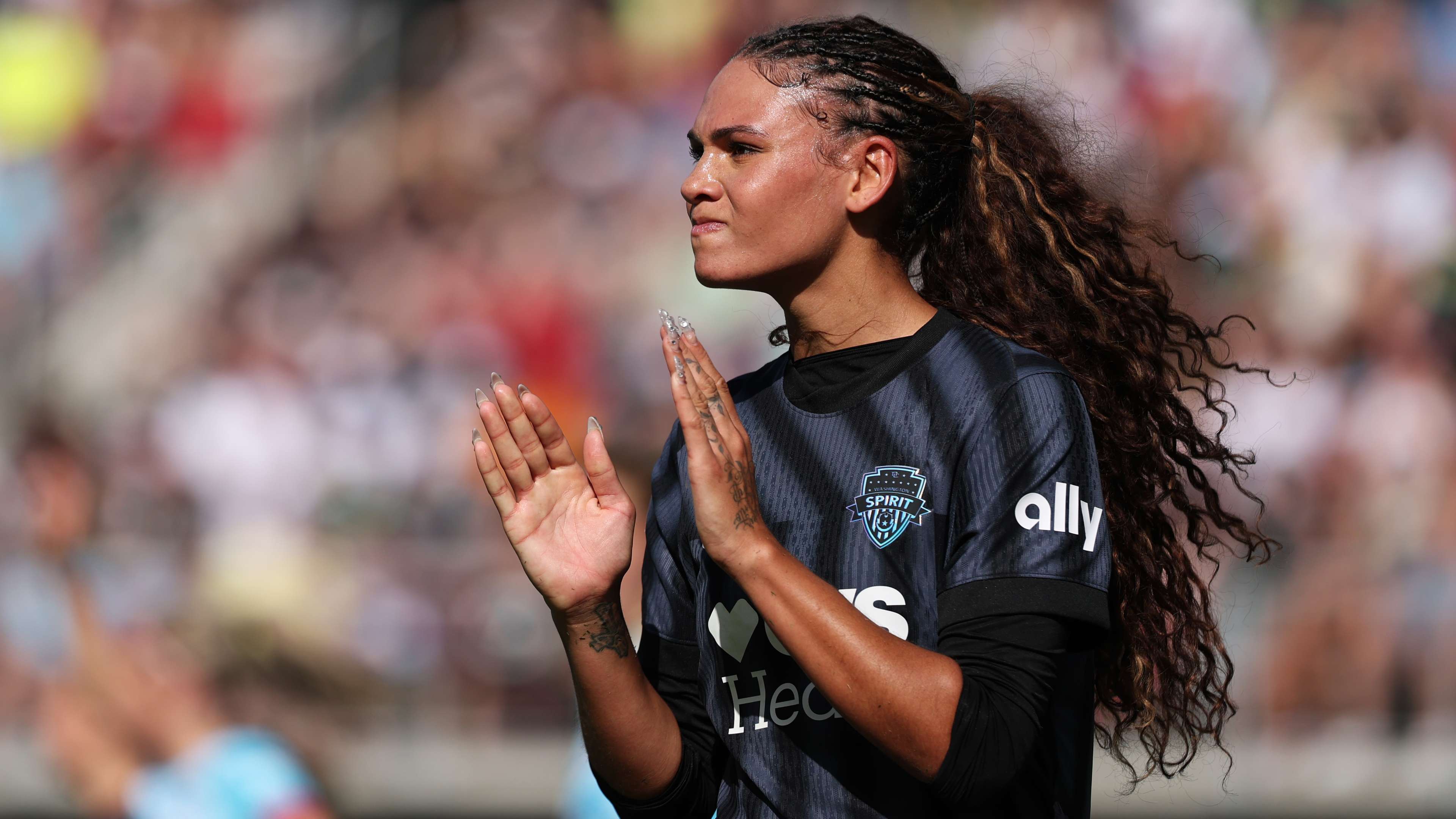

The National Women’s Soccer League Players Association (NWSLPA) has taken a stand against the NWSL’s controversial “High Impact Player” (HIP) Rule by filing a grievance. This move comes as the association believes that the implementation of the HIP Rule goes against the terms outlined in the collective bargaining agreement and federal labor laws. This is not the first time the NWSLPA has taken action against the league, as this marks the second grievance filed by the association.
The HIP Rule, which was introduced by the NWSL in an effort to regulate player movement and team construction, has faced criticism from players and the NWSLPA since its inception. The rule allows teams to designate up to four players as High Impact Players, giving them special status within the team roster.
According to the NWSLPA, the HIP Rule creates an inequitable playing field for players and limits their ability to negotiate contracts and move between teams freely. The association argues that the rule undermines the principles of fair competition and equal opportunities for all players in the league.
In response to the grievance filed by the NWSLPA, the league has stated that they are committed to working with the association to address their concerns and find a resolution that is satisfactory for all parties involved. However, the NWSL has defended the HIP Rule as a necessary measure to ensure competitive balance and stability within the league.
The NWSLPA’s decision to file a grievance highlights the ongoing tensions between players and the league over issues related to player rights, collective bargaining, and fair treatment. The association has been vocal in their demands for greater transparency, communication, and respect for player autonomy within the NWSL.
As the NWSLPA continues to push for changes within the league, players and fans alike are closely following the developments of this grievance and the potential implications it may have on the future of women’s soccer in the United States. The outcome of this dispute could have a significant impact on the NWSL and its efforts to grow and maintain a competitive and inclusive environment for players.
In conclusion, the NWSLPA’s grievance against the NWSL’s HIP Rule sheds light on the complex issues surrounding player rights and labor relations in women’s soccer. As the two sides work towards a resolution, the future of the league and its players hangs in the balance, with the potential for significant changes on the horizon. Stay tuned for updates on this developing story as it unfolds.
The NWSLPA’s decision to file a grievance against the NWSL’s HIP Rule is a significant move that underscores the ongoing challenges faced by women’s soccer players in advocating for their rights and fair treatment within the league. The controversy surrounding the HIP Rule has brought to light broader issues related to player autonomy, contract negotiations, and competitive balance in the NWSL.
One of the key concerns raised by the NWSLPA is the impact of the HIP Rule on player movement and contract negotiations. By designating certain players as High Impact Players, the rule limits their ability to negotiate freely with other teams and potentially restricts their opportunities for career advancement. This can have a detrimental effect on players’ earning potential and overall agency in shaping their professional careers.
Furthermore, the NWSLPA’s grievance highlights the importance of fair competition and equal opportunities for all players in the league. By creating a tiered system that distinguishes between High Impact Players and other team members, the HIP Rule may inadvertently perpetuate disparities in resources, playing time, and opportunities for advancement. This can ultimately undermine the league’s commitment to promoting diversity, inclusivity, and fair play among its players.
The NWSL’s response to the grievance reflects a willingness to engage in dialogue with the association and address their concerns in a constructive manner. By acknowledging the validity of the NWSLPA’s grievances and committing to finding a resolution that is mutually beneficial, the league demonstrates a commitment to upholding the interests of its players and fostering a culture of collaboration and respect within the NWSL.
Moving forward, the outcome of this dispute will have far-reaching implications for the NWSL and its stakeholders. A successful resolution that addresses the concerns raised by the NWSLPA could pave the way for a more equitable and player-friendly environment within the league. On the other hand, a failure to address these issues could lead to further discord and potential challenges in maintaining the NWSL’s reputation as a leading women’s soccer league in the United States.
Overall, the NWSLPA’s grievance against the NWSL’s HIP Rule serves as a crucial moment in the ongoing evolution of women’s soccer in the United States. By challenging the status quo and advocating for greater player rights and fair treatment, the association is driving positive change within the league and setting a precedent for future labor relations and collective bargaining efforts. As the NWSL and the NWSLPA work towards a resolution, the eyes of players, fans, and stakeholders will be watching closely to see how this dispute unfolds and the impact it may have on the future of women’s soccer in the United States.
