
Jose Mourinho Under Fire for Alleged Abuse Towards Referees
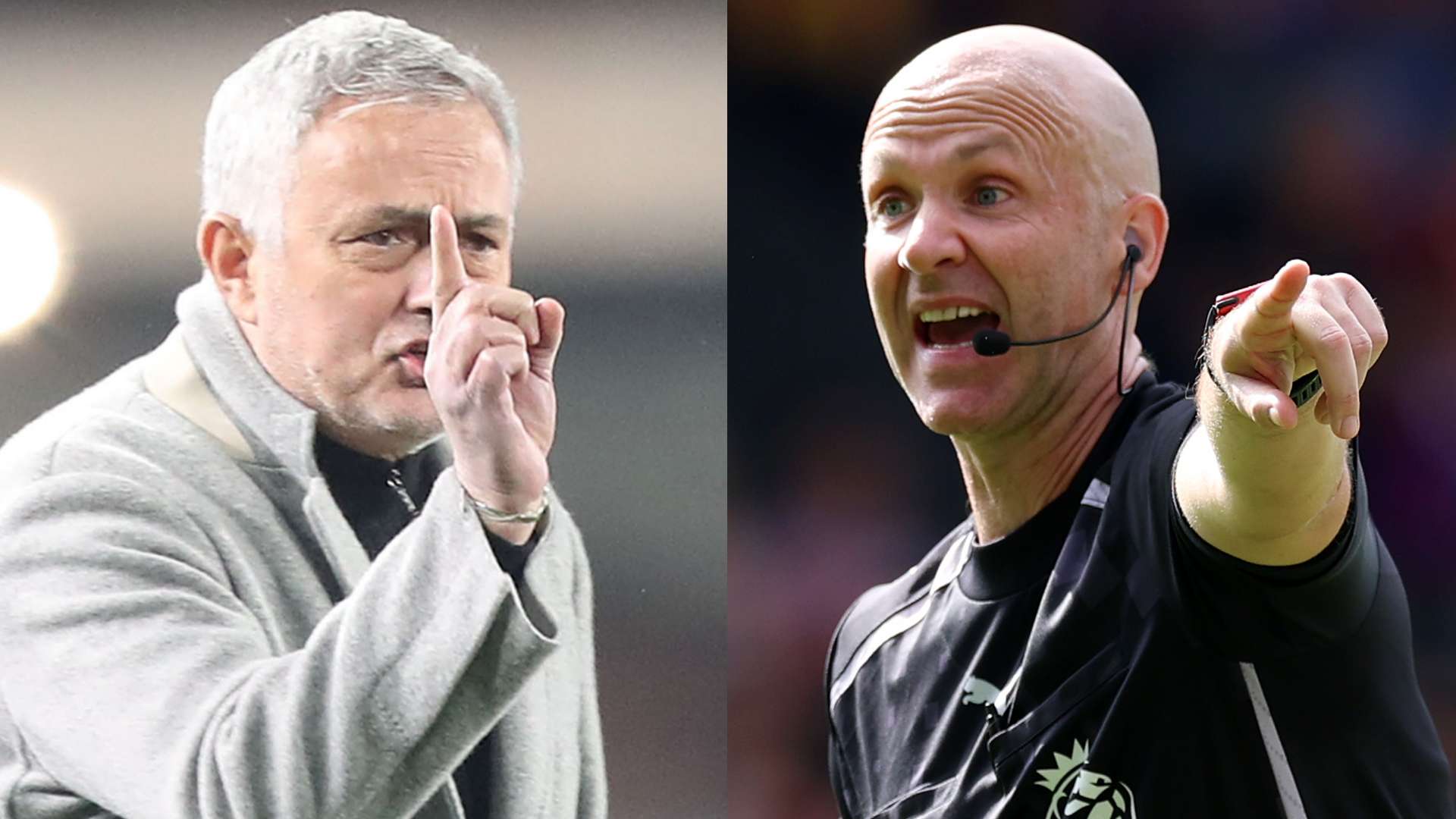
In recent news, Jose Mourinho, the renowned football manager, has come under scrutiny for his alleged incitement of abuse towards Premier League referee Anthony Taylor. This accusation has raised concerns for Taylor’s safety and that of his family, prompting him to reconsider allowing them to travel with him across the world due to the unfortunate targeting by the ‘Special One’ in 2023.
Unfortunate Target of Abuse
Anthony Taylor, a respected Premier League referee, has found himself at the center of controversy after being singled out by Jose Mourinho for alleged abuse. This situation has shed light on the growing issue of aggression and hostility towards match officials in the football world. Despite the challenges he faces, Taylor remains dedicated to his role as a referee, considering it “one of the best jobs in the world”.
Escalation of Scrutiny
The incident involving Jose Mourinho and Anthony Taylor highlights the escalating levels of scrutiny faced by match officials in football. With the increasing pressure and expectations placed on referees, the line between fair criticism and personal attacks has become blurred. This has raised concerns about the safety and well-being of referees and their families, who often become unintended targets of abuse.
Importance of Respect and Sportsmanship
Respect and sportsmanship are fundamental values that should govern interactions within the football community. It is crucial for players, managers, and fans to uphold these principles and treat match officials with the respect they deserve. Instances of abuse and aggression not only tarnish the reputation of the sport but also have a detrimental impact on the mental and emotional well-being of referees.
Call for Accountability
As incidents of abuse towards referees continue to occur, there is a growing call for accountability within the football industry. It is essential for governing bodies, clubs, and individuals to take a stand against abusive behavior and ensure that those responsible are held accountable for their actions. By promoting a culture of respect and tolerance, the football community can foster a safer and more inclusive environment for everyone involved.
Looking Towards a Positive Future
Despite the challenges and controversies surrounding the treatment of referees, there is hope for a positive future in football. By addressing the issues of abuse and aggression head-on, the football community can work towards creating a more respectful and supportive environment for all individuals. It is essential for all stakeholders to come together and prioritize the well-being and safety of referees, ultimately strengthening the integrity and reputation of the sport.
In conclusion, the recent incident involving Jose Mourinho and Anthony Taylor serves as a reminder of the importance of respect and sportsmanship in football. It is crucial for all members of the football community to uphold these values and work towards creating a more inclusive and supportive environment for referees and officials. By fostering a culture of respect and accountability, the football industry can ensure a brighter and more positive future for the sport.
Impact of Abuse on Referees
Abuse towards referees not only affects the individuals directly targeted but also has broader implications for the football community as a whole. Referees play a crucial role in ensuring fair play and upholding the rules of the game. When they are subjected to abuse and intimidation, it can undermine their confidence and ability to officiate matches effectively. This, in turn, can have a ripple effect on the quality of the game and the overall experience for players, fans, and other stakeholders.
Psychological Toll on Referees
The psychological toll of being on the receiving end of abuse should not be underestimated. Referees, like all individuals, have emotions and vulnerabilities that can be deeply affected by hostile behavior. The constant fear of being targeted or verbally attacked can create a stressful and toxic environment for referees, leading to mental health issues such as anxiety, depression, and burnout. It is essential for the football community to prioritize the well-being of referees and provide them with the necessary support and protection.
Educating Players and Coaches
One way to combat abuse towards referees is through education and awareness. Players, coaches, and other stakeholders in the football industry must be educated on the importance of respecting officials and the consequences of abusive behavior. Training programs and workshops can help individuals understand the role of referees, the challenges they face, and the impact of their words and actions. By promoting empathy and understanding, the football community can foster a culture of mutual respect and sportsmanship.
Zero Tolerance Policy
Governing bodies and football associations should enforce a zero-tolerance policy towards abuse of referees. This means taking swift and decisive action against individuals who engage in verbal or physical attacks against officials. By implementing strict disciplinary measures, such as fines, suspensions, and bans, the football industry can send a clear message that abusive behavior will not be tolerated. Creating a safe and respectful environment for referees is essential for the integrity and longevity of the sport.
Support Networks for Referees
Referees should have access to support networks and resources to help them cope with the challenges they face. Peer support groups, counseling services, and mental health initiatives can provide referees with the tools and strategies to manage stress, anxiety, and trauma resulting from abuse. It is crucial for the football community to prioritize the well-being of referees and create a supportive infrastructure that enables them to thrive in their roles.
Building a Culture of Respect
Ultimately, building a culture of respect and sportsmanship within the football industry requires collective effort and commitment from all stakeholders. Players, coaches, fans, and officials must work together to create an environment where everyone feels valued, respected, and safe. By modeling positive behavior, challenging abusive conduct, and promoting empathy and understanding, the football community can cultivate a culture of inclusivity and fairness that benefits everyone involved.
Conclusion
In conclusion, addressing the issue of abuse towards referees in football requires a multifaceted approach that involves education, enforcement, support, and cultural change. By recognizing the impact of abusive behavior, prioritizing the well-being of referees, and promoting a culture of respect and sportsmanship, the football community can work towards creating a safer, more inclusive, and more enjoyable environment for all individuals. It is essential for everyone to play their part in upholding the values of fairness, integrity, and respect that are fundamental to the spirit of the game.