
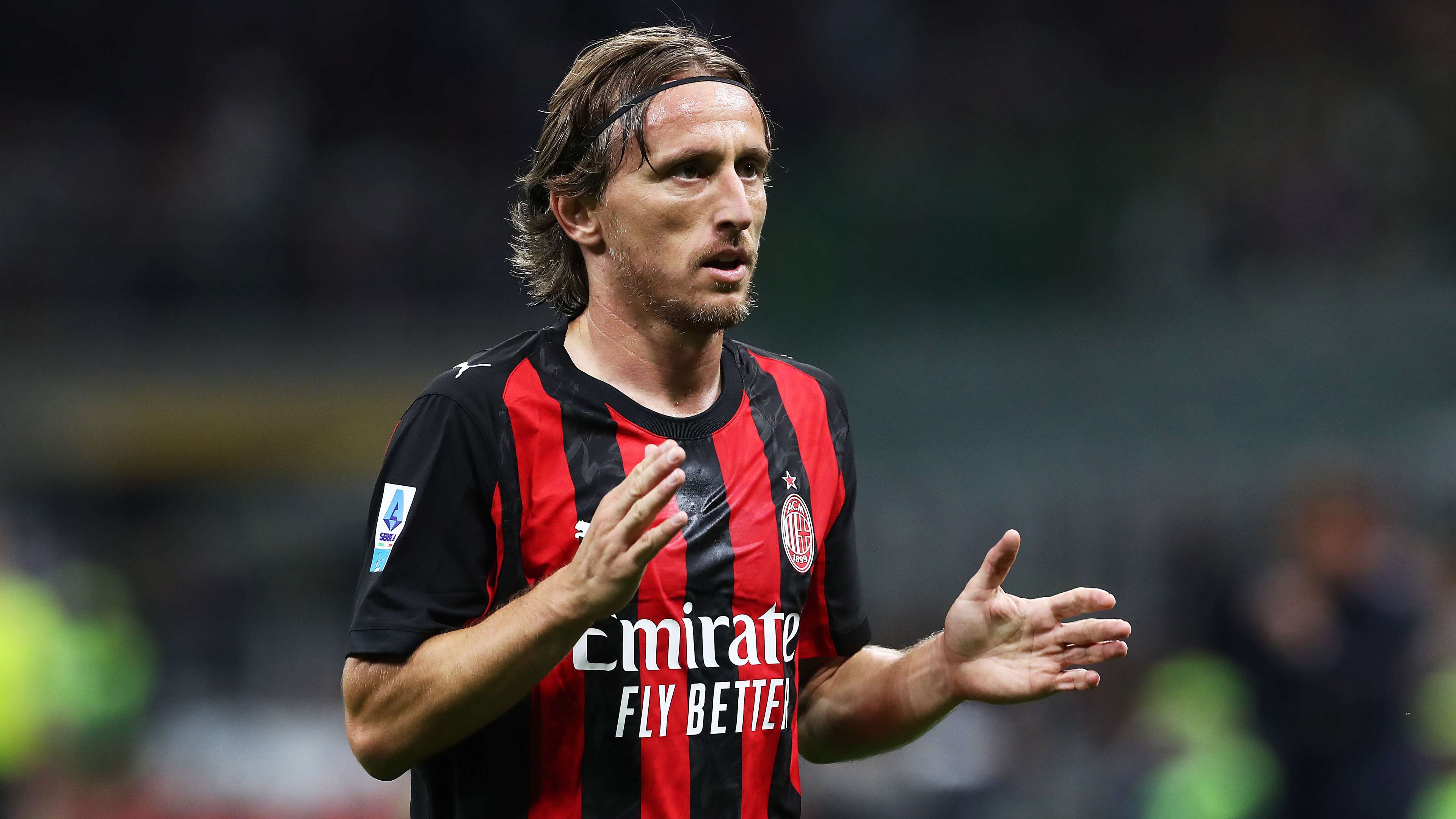

**Inter Milan President Hails Luka Modric’s Success in Serie A**
In a recent interview, Inter Milan president Beppe Marotta expressed his admiration for the success of Luka Modric in Serie A, despite the midfielder being 40 years old. Marotta sees Modric’s continued excellence as a positive representation of Italian football on the global stage.
**Financial Disparity in Serie A**
Marotta touched upon the financial inequality between Serie A clubs and their counterparts in leagues like the Premier League and La Liga. He pointed out the stark contrast in spending power, highlighting Real Madrid’s significant investment in young talent like Franco Mastantuono. This discrepancy has made it challenging for Italian clubs to compete with the financial muscle of teams from other European leagues.
**Modric’s Impact on Italian Football**
Luka Modric’s success at the age of 40 in Serie A has not only impressed fans and pundits but has also served as a testament to the quality of football in Italy. Despite his age, Modric continues to showcase his exceptional skills and intelligence on the pitch, proving that age is just a number when it comes to talent and determination.
**Positive Advert for Italian Football**
Marotta believes that Modric’s achievements in Serie A serve as a positive advertisement for Italian football. The midfielder’s ability to compete at the highest level and make a significant impact on matches has garnered praise from all corners of the footballing world. Modric’s presence in Serie A has raised the profile of the league and highlighted the talent and competitiveness that can be found in Italian football.
**Challenges Faced by Serie A Clubs**
While Modric’s success is a cause for celebration, Marotta also acknowledged the challenges that Serie A clubs face in terms of financial resources. The disparity in spending power between Italian clubs and those from other major leagues puts them at a disadvantage when it comes to attracting top talent and competing for trophies on the European stage.
**Looking Ahead**
Despite the financial obstacles, Marotta remains optimistic about the future of Italian football. He believes that by showcasing the talent and tenacity of players like Luka Modric, Serie A can continue to attract top talent and compete with the best leagues in Europe. With the right investments and strategic planning, Italian clubs can overcome the financial hurdles and establish themselves as true contenders on the global stage.
In conclusion, Luka Modric’s success in Serie A at the age of 40 is not just a personal achievement but a testament to the quality and competitiveness of Italian football. His impact on the league has been significant, serving as a positive advertisement for Serie A and inspiring players and fans alike. As Italian clubs navigate the financial challenges they face, the success of players like Modric provides hope for a bright future in Italian football.
Impact of Luka Modric’s Success on Serie A
Luka Modric’s success in Serie A has not only showcased his individual brilliance but has also had a ripple effect on the league as a whole. His presence in Italy has raised the level of competition and brought international attention to Serie A. Modric’s experience, skill, and leadership have set a high standard for other players in the league to aspire to, pushing them to elevate their game and improve the overall quality of football in Italy.
Attracting Global Talent to Serie A
Modric’s stint in Serie A has also opened the doors for other international players to consider playing in Italy. His success at the age of 40 has proven that Serie A provides a competitive platform for players to excel and continue performing at the highest level even in the later stages of their careers. This could potentially attract more experienced players from around the world to consider Serie A as a viable option for their next career move.
Strategies for Financial Sustainability
In light of the financial challenges faced by Serie A clubs, there is a growing emphasis on developing sustainable strategies to ensure long-term success. Marotta and other club executives are exploring innovative ways to generate revenue, enhance youth development programs, and make strategic investments in player recruitment. By focusing on financial sustainability, Italian clubs can build a solid foundation for future growth and competitiveness in European football.
Collaboration Among Serie A Clubs
To overcome the financial gap with other European leagues, there is a growing trend towards collaboration among Serie A clubs. By pooling resources, sharing scouting networks, and negotiating collective broadcasting deals, Italian clubs can collectively strengthen their position in the footballing landscape. This collaborative approach fosters a sense of unity and solidarity within Serie A, enabling clubs to compete more effectively on both domestic and international fronts.
Embracing Technology and Data Analytics
Another key aspect of modernizing Serie A and enhancing its competitiveness is the adoption of technology and data analytics. By leveraging advanced metrics, player tracking systems, and performance analysis tools, clubs can gain valuable insights into player performance, tactical trends, and opponent analysis. This data-driven approach allows Serie A clubs to make more informed decisions in player recruitment, training methods, and game strategy, ultimately improving their chances of success on the pitch.
Building a Sustainable Future for Italian Football
As Italian football continues to evolve and adapt to the changing landscape of the sport, the success of players like Luka Modric serves as a beacon of hope for the future. By addressing financial disparities, fostering collaboration among clubs, embracing technology, and showcasing the talent within Serie A, Italian football can position itself as a competitive force on the global stage. With a strategic vision and a commitment to excellence, Serie A has the potential to reclaim its status as one of the premier leagues in Europe and attract top talent from around the world.
