
Sports Minister Mansukh Mandaviya Takes Action to Address Organisational Lapses at India Open
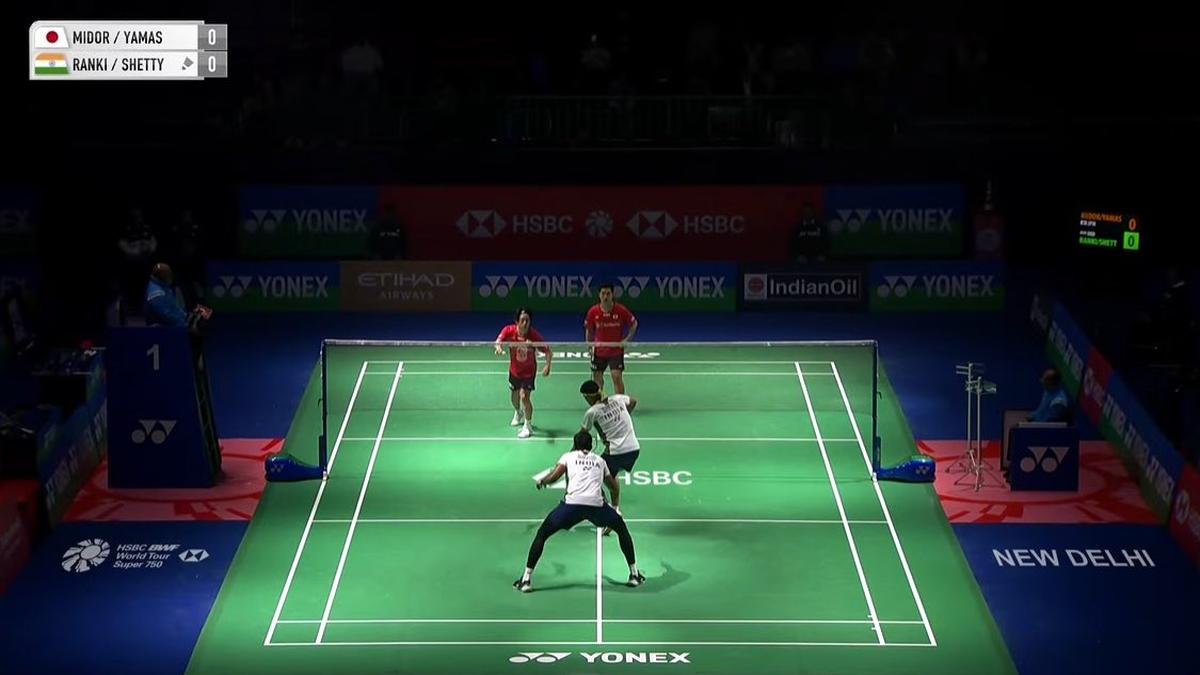
Sports Minister Mansukh Mandaviya has taken a proactive approach to address the organisational lapses that marred the India Open badminton tournament. Following the chaos that unfolded during the tournament, the minister met with officials of the Sports Authority of India (SAI) on Monday to discuss and implement “corrective measures” to prevent similar incidents in the future.
Identifying the Issues
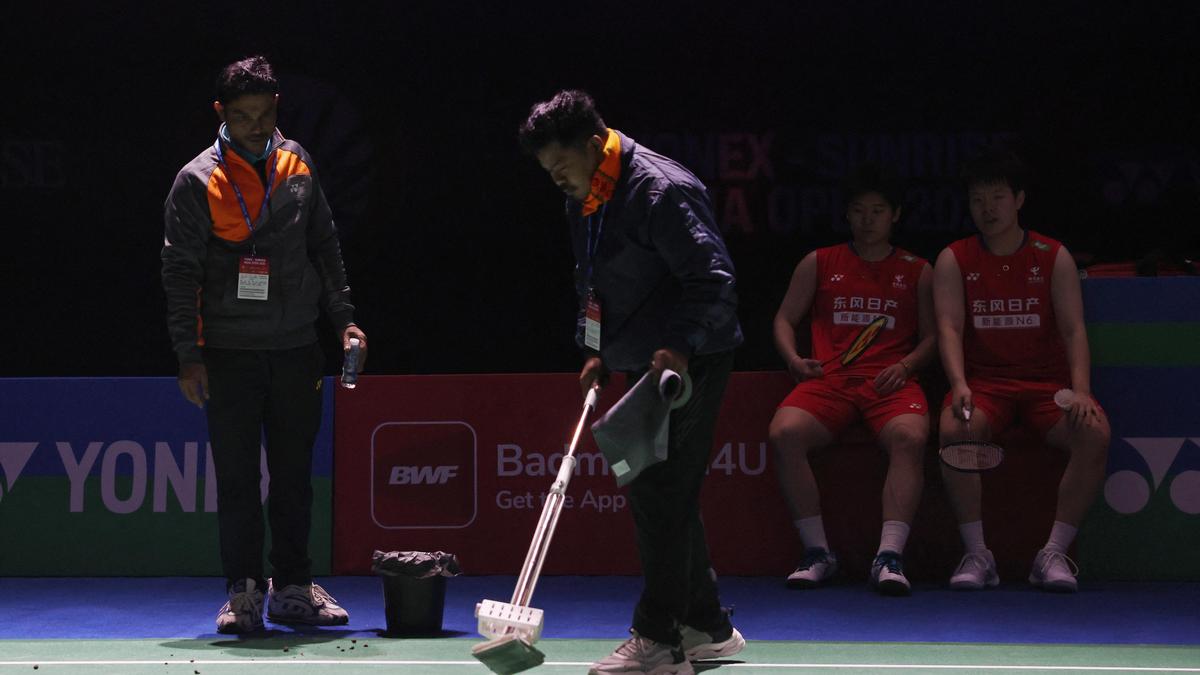
During the meeting, Minister Mandaviya specifically addressed the absence of stadium administrators during the tournament and sought an explanation for the various lapses that occurred. The incidents of bird excrement on the field of play, a monkey in the spectators’ stand, and poorly maintained facilities, including washrooms and training areas, have raised concerns and created a “perception crisis” for India, especially in light of the country’s ambitious bid for the 2036 Olympics.
While some factors like Delhi’s poor air quality were beyond their control, SAI is under pressure to address the lapses within their purview and ensure that such incidents do not tarnish India’s reputation on the international stage.
SAI’s Responsibilities and Criticisms
As the nodal body responsible for the maintenance of sports infrastructure in the country, SAI has faced criticism for its handling of the India Open. The Badminton Association of India (BAI) was left to manage the fallout from the tournament, despite taking over the stadium only weeks before the event.
According to sources, SAI lacked the necessary personnel to effectively manage the situation and ensure a smooth running of the tournament. The budget allocated to SAI for infrastructure upkeep is substantial, highlighting the need for better planning and execution to avoid similar incidents in the future.
Impact on India’s Olympic Bid
The incidents at the India Open have raised concerns about the impact on India’s bid for the 2036 Olympics. The International Olympic Committee (IOC) has temporarily halted the host selection process to reassess its criteria, taking into account feedback from member nations.
India is set to face competition from countries like Qatar, known for their expertise in hosting international events across various sports. The negative perception created by the organisational lapses at the India Open could potentially influence the IOC’s decision-making process and hinder India’s chances of securing the hosting rights for the 2036 Olympics.
Looking Ahead
As corrective measures are being discussed and implemented by SAI, it is crucial for India to rebuild confidence and demonstrate a serious commitment to hosting major international sporting events. The upcoming badminton World Championships in August, scheduled to be held at the same venue, will serve as a test of India’s readiness and organizational capabilities.
By addressing the lapses that plagued the India Open and taking proactive steps to improve infrastructure and management, India can strengthen its position as a potential host for future international sporting events and showcase its ability to deliver world-class competitions.
Improving Infrastructure and Training
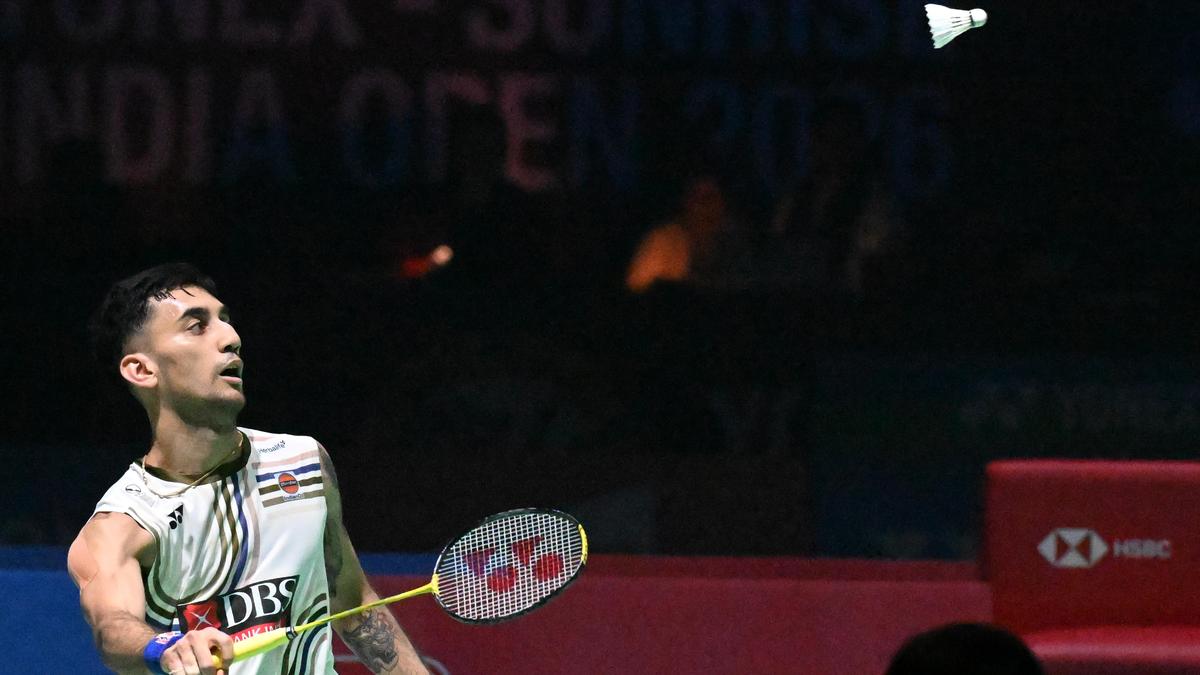
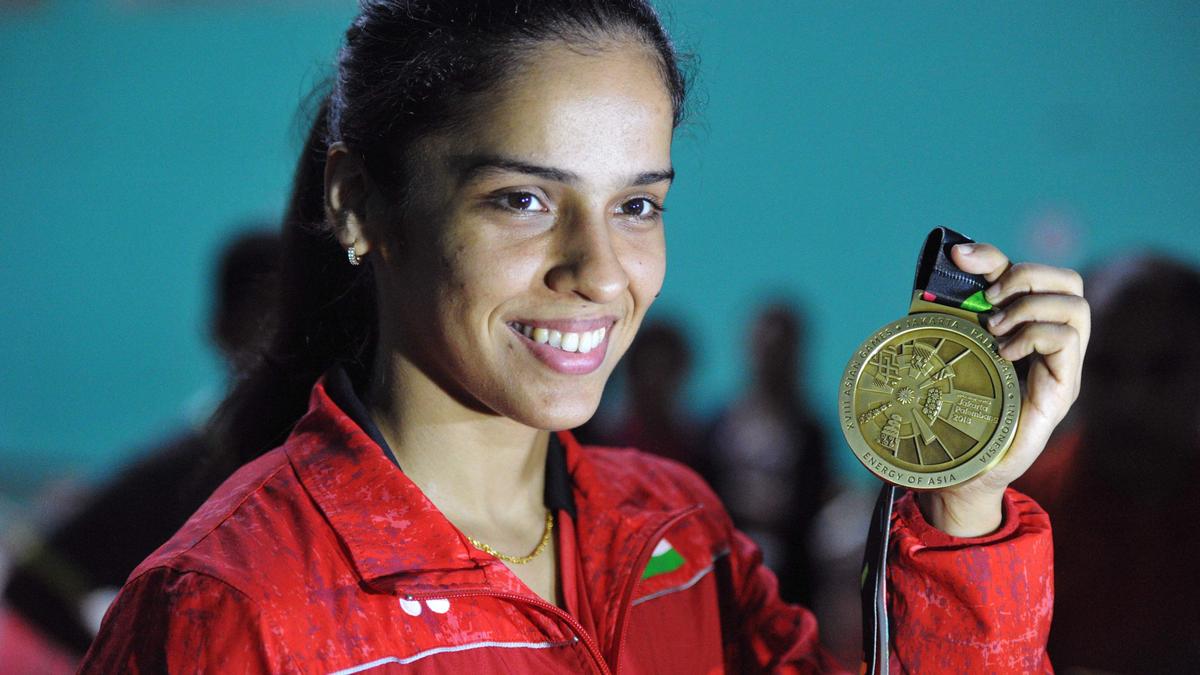
One key aspect that needs to be addressed in light of the India Open debacle is the overall infrastructure and training facilities available for athletes in India. While the country has produced top badminton players like PV Sindhu and Saina Nehwal, there is a need for better training centers and coaching programs to nurture young talent.
Investing in state-of-the-art facilities and providing world-class coaching can not only enhance the performance of current players but also attract more youngsters to take up the sport. By focusing on grassroots development and creating a robust training ecosystem, India can ensure a steady pipeline of talented players who can compete at the highest levels.
Enhancing Spectator Experience
Another area that requires attention is enhancing the overall spectator experience at sporting events. While the focus is often on the athletes and the competition itself, creating a welcoming and enjoyable environment for fans is key to the success of any tournament.
Improving facilities like washrooms, seating arrangements, and food options can go a long way in making the event more appealing to spectators. Additionally, implementing proper crowd management strategies and ensuring a safe and comfortable experience for everyone attending the tournament is essential.
Collaboration and Coordination
In order to avoid organizational lapses like those seen at the India Open, improved collaboration and coordination between various stakeholders is crucial. This includes better communication between SAI, BAI, event organizers, and local authorities to ensure that all aspects of the tournament are well-coordinated and executed smoothly.
Establishing clear roles and responsibilities, conducting regular meetings to address any issues or concerns, and having a contingency plan in place for unforeseen circumstances can help prevent chaos and ensure a successful event. By fostering a culture of collaboration and teamwork, India can demonstrate its ability to host world-class sporting events efficiently.
Building a Strong Reputation
Ultimately, the success of sporting events like the India Open not only impacts India’s bid for hosting future competitions but also plays a significant role in shaping the country’s reputation on the global stage. By showcasing its organizational capabilities, hospitality, and commitment to excellence, India can build a strong reputation as a desirable destination for international sporting events.
Through continuous improvement, proactive measures, and a focus on delivering exceptional experiences for athletes and spectators alike, India can position itself as a leading host for major tournaments across various sports. By learning from past mistakes and striving for excellence, India can overcome the challenges highlighted by the India Open and emerge as a top contender for hosting prestigious sporting events in the future.