
AC Milan Face a Key Decision Over Francesco Camarda’s Future
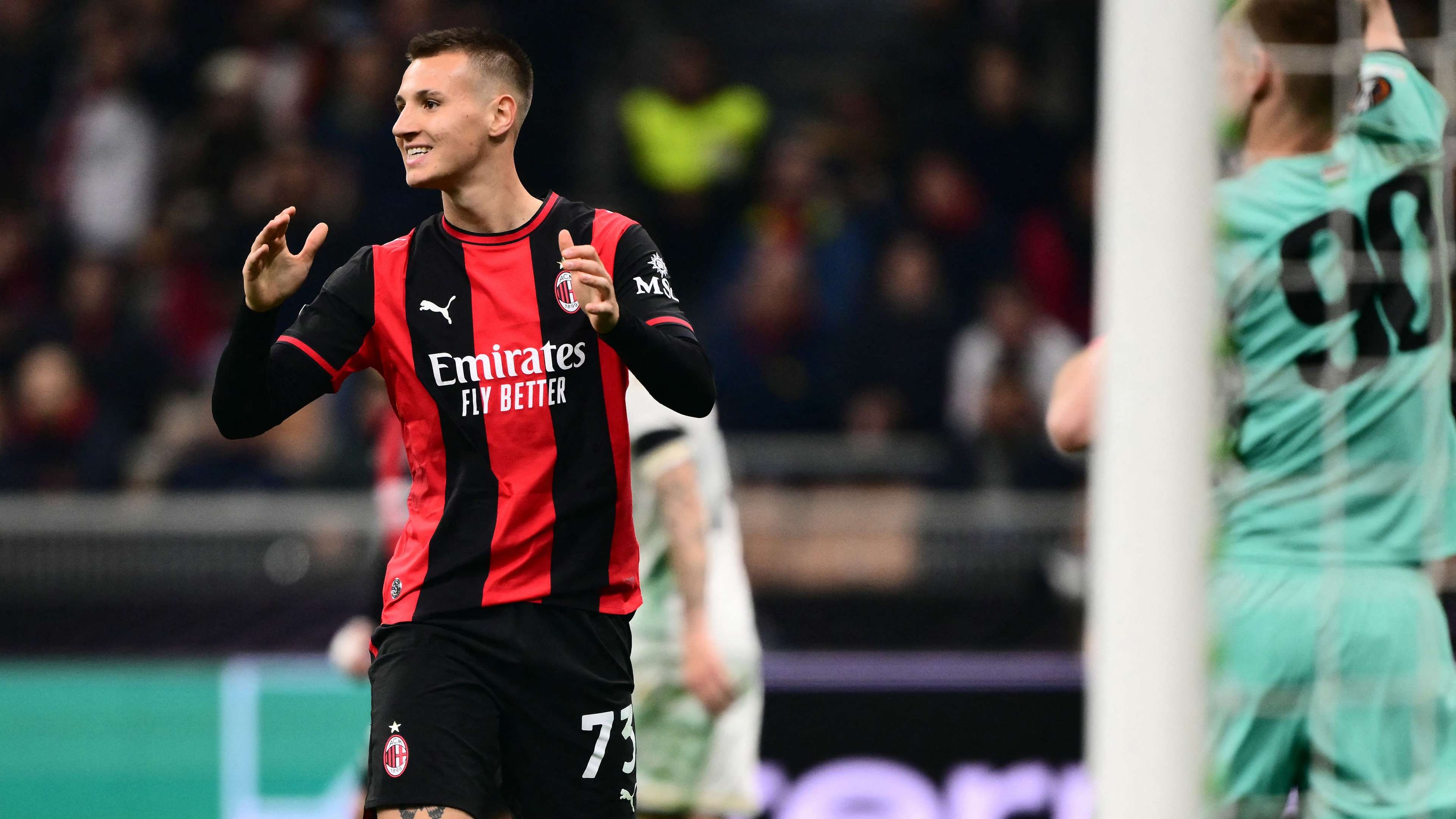
AC Milan are expected to review Francesco Camarda’s situation in the coming weeks, with a January loan move emerging as a possibility for the highly rated young striker. The club must decide whether he is best served by remaining at San Siro or gaining regular senior football elsewhere during the second half of the season.
According to Corriere della Sera, Milan’s decision-makers are assessing the teenager’s role before the winter transfer window opens. Camarda has featured only sparingly so far, limiting his opportunities to build momentum and demonstrate what he can offer at senior level. Several clubs in both Serie A and Serie B have reportedly made detailed enquiries, suggesting there is already substantial interest in a potential temporary transfer.
Why a January Loan Is Under Consideration
For a young forward, training alongside an elite first-team squad can be valuable, but competitive minutes are often essential to development. A carefully chosen loan could give Camarda more regular opportunities to face experienced defenders, adapt to the physical demands of senior football and learn to make an impact across a full season rather than in brief substitute appearances.
The challenge for Milan is to balance immediate first-team needs with the long-term development of one of the club’s most promising academy graduates. Keeping Camarda close would allow the coaching staff to monitor his progress every day. Sending him elsewhere, however, could provide the consistent playing time that is difficult to guarantee in a squad competing at the top level.
A loan would not necessarily signal that Milan have lost confidence in the striker. In many cases, a temporary move is intended to accelerate a prospect’s development before a return to the parent club. The destination, the coach’s plans and the expected role would therefore matter as much as the level of competition.
Playing Time and the Path to the First Team
Camarda’s limited involvement has made it harder to judge how quickly he can establish himself in senior football. Young attackers often need a run of matches to develop their timing, confidence and understanding with teammates. A handful of appearances may offer a glimpse of their ability, but it rarely provides enough evidence to assess how they can handle the demands of regular professional competition.
Milan will also need to consider the competition for places in their forward line. Established players naturally receive priority in important matches, while a teenager may find opportunities restricted by tactical choices, form and the club’s results. If that pattern is expected to continue, a loan could be a practical way to ensure Camarda’s progress does not stall while he waits for a larger role.
At the same time, remaining at Milan could still make sense if the club believes he will receive meaningful minutes in the coming months. The decision is likely to depend on how the coaching staff views his readiness, what options are available in the squad and whether a suitable loan club can offer a clearly defined role.
Serie A or Serie B: Choosing the Right Destination
Interest from both Serie A and Serie B gives Milan several possible routes to consider, but the strongest destination may not simply be the club playing in the higher division. A Serie A side could expose Camarda to top-flight pace and tactical demands, yet he would need a realistic chance of featuring regularly. If he were to spend much of the campaign on the bench, the move might offer little advantage over staying at San Siro.
A Serie B club, by contrast, could potentially provide a more direct route to regular starts. The level of competition would still be demanding, while the greater likelihood of consistent minutes could help him build confidence and develop his all-round game. Milan would need to assess each club’s style, squad depth and record of using young players before deciding which proposal best supports his growth.
The ideal arrangement would give Camarda a clear development plan rather than simply a place in another squad. Milan may look for assurances about his expected role, the position in which he will be used and the communication between the loan club and the parent club. Those details can make a major difference to whether a temporary transfer becomes a productive step or merely a change of surroundings.
What Milan’s Prediction Could Depend On
Any prediction about Camarda’s future remains uncertain until Milan complete their assessment and the January window approaches. The club’s choice may be shaped by his training performances, the number of opportunities available in the first team and the quality of interest from other sides. A strong spell in training could strengthen the case for keeping him, while a crowded forward department could make a loan more attractive.
Milan must also consider the timing of the move. A January transfer gives Camarda only the second half of the season to settle into a new environment, so choosing a club that can integrate him quickly will be important. A familiar league and a clear tactical fit could help reduce the adjustment period and allow him to focus on playing rather than adapting to a completely different system.
For supporters, the key question is not simply whether Camarda leaves, but whether the decision places him on a credible route toward Milan’s first team. A successful loan could return him to the club with greater experience, stronger match fitness and a clearer understanding of what senior football requires. Staying could be equally valuable if Milan can offer enough meaningful minutes and a defined role.
A Crucial Development Decision for the Rossoneri
Camarda’s situation reflects a familiar challenge for major clubs: how to nurture an exceptional young talent without rushing him into a role he is not yet ready to sustain. Milan’s January plans will need to balance ambition with patience, ensuring that the striker’s development remains the priority rather than treating a loan as an automatic solution.
With several Serie A and Serie B clubs already making enquiries, the Rossoneri appear to have options if they decide a temporary transfer is the right move. The coming weeks should clarify whether Camarda stays at San Siro or begins the next stage of his development elsewhere. For now, the final decision will depend on one central issue: where can he receive the best combination of coaching, competitive experience and regular playing time?