
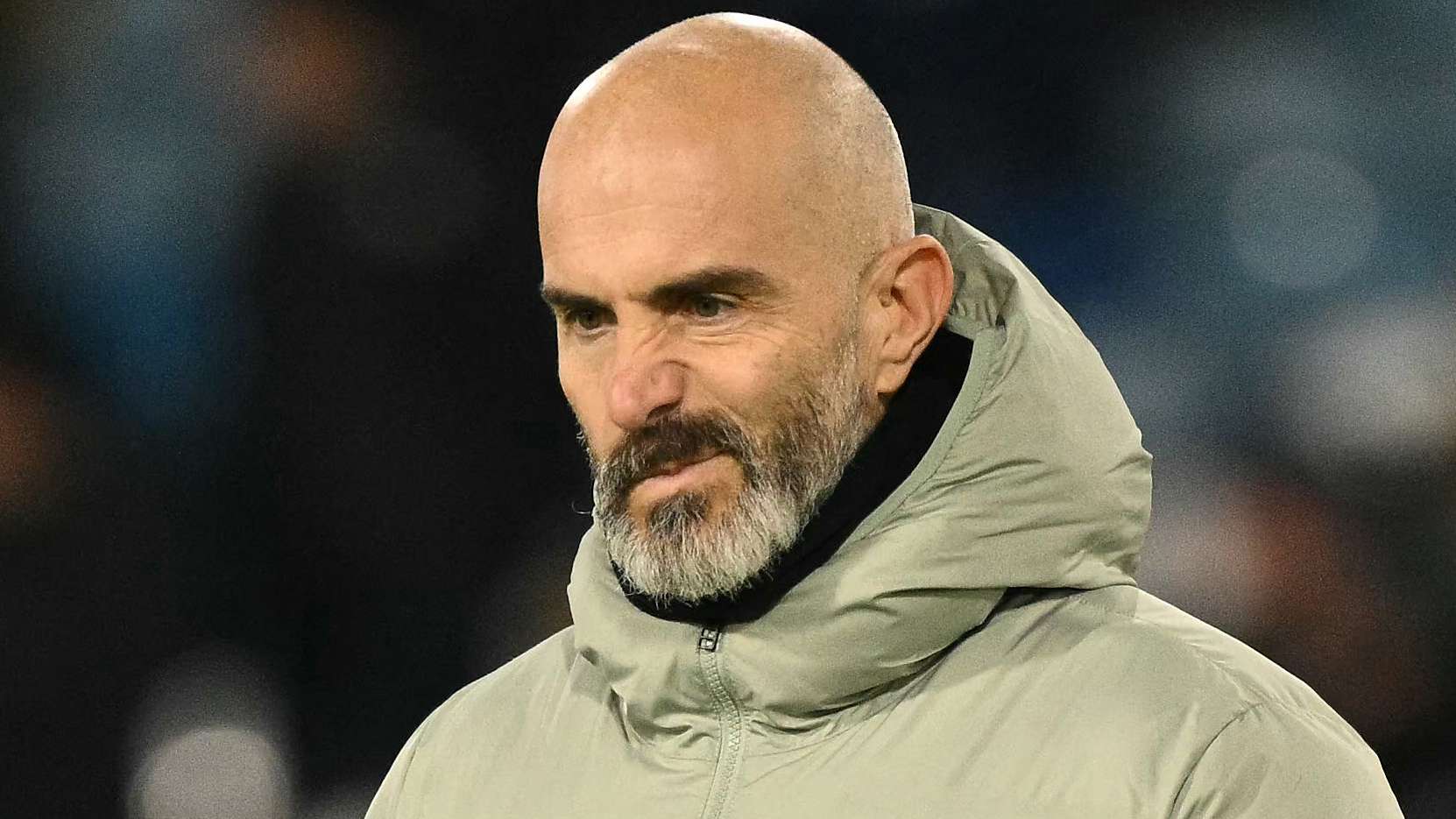

Enzo Maresca’s Frustration Unveiled: The Real Story Behind His “Worst 48 Hours” Rant
Enzo Maresca, Chelsea’s assistant coach, left many puzzled after his unexpected outburst following Chelsea’s latest Premier League game against Everton. Despite the team securing a 2-0 victory, Maresca’s demeanor in front of the media sparked rumors of turmoil within the club.
The Background
After the match, Maresca publicly expressed his frustration, stating that he had just experienced the “worst 48 hours” of his life. This statement left fans and pundits speculating about the reasons behind his unusual behavior, especially in the wake of a positive result for the team.
However, sources close to the coaching staff have shed light on the real story behind Maresca’s emotional outburst. It turns out that the assistant coach had been dealing with personal issues that had been weighing heavily on him in the days leading up to the game. Despite trying to maintain his composure during the match, the pressure eventually became too much for Maresca to handle.
Team Dynamics
While some initially speculated that Maresca’s frustration stemmed from internal conflicts within the club, it has been clarified that his emotional state was primarily due to personal reasons rather than any issues within the team. In fact, Maresca’s colleagues and players have come out in support of him, highlighting his professionalism and dedication to the club.
Chelsea’s manager also addressed the situation, emphasizing the importance of mental health and well-being within the team. He commended Maresca for his honesty and vulnerability in expressing his struggles, urging others to prioritize self-care and seek help when needed.
Facing Challenges
As a high-profile football club, Chelsea faces immense pressure both on and off the field. The demands of the sport, coupled with personal challenges, can take a toll on even the most seasoned professionals. Maresca’s candid revelation serves as a reminder that everyone, regardless of their position or status, is susceptible to moments of vulnerability and emotional distress.
It is crucial for individuals in the sports industry to have a support system in place to navigate the ups and downs that come with the job. By opening up about his struggles, Maresca has sparked important conversations about mental health in football and the need for greater awareness and resources to support players and staff.
Looking Ahead
As the team moves forward from this incident, the focus remains on the upcoming matches and maintaining a positive atmosphere within the club. Maresca’s openness has brought the coaching staff closer together and reinforced the importance of communication and understanding among team members.
While the outcome of the game against Everton was a victory for Chelsea, the real triumph lies in the team’s unity and resilience in the face of adversity. As they continue their journey in the Premier League, Chelsea will no doubt draw strength from this experience and emerge stronger as a result.
In conclusion, Enzo Maresca’s “worst 48 hours” rant may have initially raised eyebrows, but the true story behind his outburst reveals a deeper narrative of personal struggles and the importance of mental health in professional sports. Chelsea’s response to this incident showcases their commitment to supporting their staff and promoting a culture of openness and understanding within the club.
Empathy and Support
Enzo Maresca’s emotional outburst sheds light on the immense pressure and challenges that individuals in the football industry face behind the scenes. The intense scrutiny, expectations, and demands can sometimes overshadow the personal struggles that coaches, players, and staff may be dealing with outside of the game.
By sharing his vulnerability, Maresca has humanized the often glamourized world of professional football. His colleagues and fans alike have rallied around him, offering words of support and understanding. This display of empathy underscores the importance of compassion and solidarity within the club, emphasizing that everyone is fighting their own battles, no matter how successful or accomplished they may appear on the surface.
Mental Health Awareness in Football
Maresca’s public revelation has sparked a broader conversation about mental health in football. The high-stakes nature of the sport, constant scrutiny, and competitive environment can take a toll on individuals’ well-being. It is essential for clubs, leagues, and governing bodies to prioritize mental health awareness and provide resources for players, coaches, and staff to seek help when needed.
Chelsea’s proactive response to Maresca’s situation sets a positive example for other clubs in the football community. By normalizing discussions around mental health and promoting a culture of support and understanding, teams can create a safer and healthier environment for everyone involved in the sport.
Lessons Learned
As Chelsea navigates the aftermath of Maresca’s emotional outburst, there are valuable lessons to be learned for the entire team. Communication, empathy, and self-care are crucial components of maintaining a positive and resilient team culture. By fostering an environment where individuals feel comfortable sharing their struggles and seeking help when needed, Chelsea can strengthen their bond and enhance their performance on the field.
Moving forward, the club can use this experience as a catalyst for growth and unity. By acknowledging and addressing the personal challenges that their staff may be facing, Chelsea can create a support system that empowers everyone to thrive both professionally and personally.
Final Thoughts
Enzo Maresca’s “worst 48 hours” rant may have initially raised questions and concerns, but it has ultimately opened the door to important conversations about mental health and well-being in football. As Chelsea stands by their assistant coach and reinforces their commitment to supporting their staff, the club sets a positive example for the entire football community.
In the end, Maresca’s emotional outburst serves as a reminder that behind the glitz and glamour of professional football, there are real people facing real challenges. By prioritizing mental health, empathy, and open communication, clubs like Chelsea can create a more inclusive and supportive environment for their team members, ultimately leading to greater success both on and off the pitch.