
Manchester United’s 5-2 Comeback Against Tottenham: The Old Trafford Afternoon That Defined a Title Race
Some football matches are remembered for a single goal. Others capture the character of an entire team. Manchester United’s 5-2 victory over Tottenham Hotspur in April 2009 belongs firmly in the second category: a dramatic Premier League comeback that transformed a two-goal deficit into a statement win and kept Sir Alex Ferguson’s side firmly on course for the title.
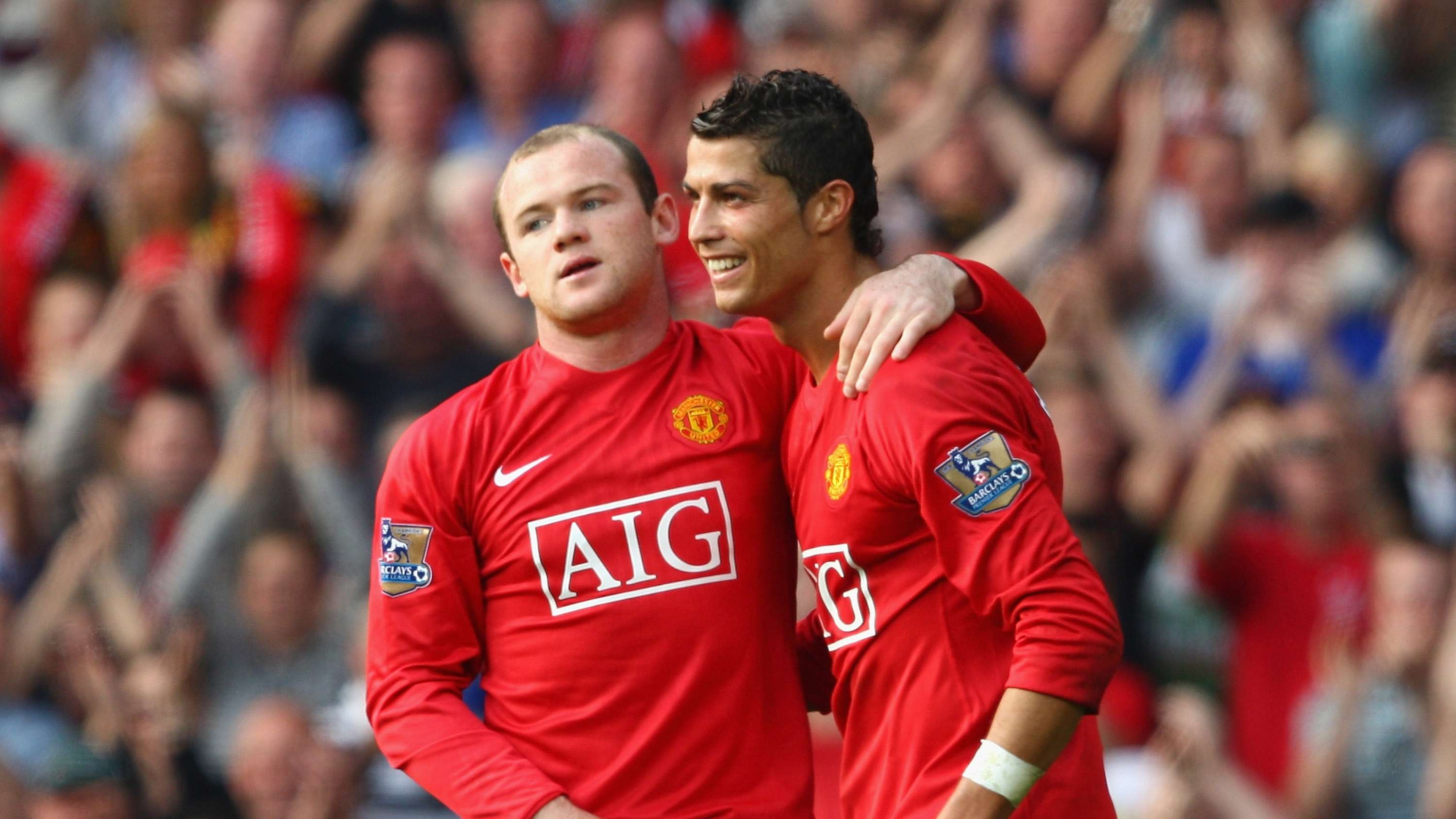
At half-time, Tottenham appeared poised to spoil the occasion. Harry Redknapp’s visitors had silenced Old Trafford with two well-taken goals, while United looked short of their usual urgency. Yet the second half unfolded at a remarkable pace. Cristiano Ronaldo and Wayne Rooney inspired a four-goal surge, Dimitar Berbatov added the finishing touch, and the home crowd witnessed one of the most memorable turnarounds in Premier League history.
Tottenham Take Control at Old Trafford
The context made the match especially significant. United were chasing a third consecutive Premier League crown and their 18th league title, which would draw them level with Liverpool’s record at the time. With the season entering its decisive stretch, every point carried enormous weight. Tottenham arrived as dangerous opponents, but few expected them to take such a commanding lead before the break.
Spurs began with confidence and attacked the spaces around United’s defence. Their first goal came in the 29th minute, when Vedran Corluka sent a cross into the area. Nemanja Vidic failed to clear it cleanly, giving Darren Bent the opportunity to finish from close range and put the visitors ahead.
United had little time to recover. Just three minutes later, Aaron Lennon delivered another threatening ball, this time toward the far post. Luka Modric brought it under control with his chest and struck a powerful finish into the roof of the net. The Croatian’s composed execution made it 2-0 and left Old Trafford stunned.
Tottenham’s approach had been effective: defend with discipline, move the ball forward quickly and exploit United’s uncertain first-half defending. The home side went into the dressing room needing more than a change of formation. They needed to rediscover the intensity and belief that had carried them through so many difficult moments.
Ferguson’s Changes Spark a Response
Ferguson responded by bringing Carlos Tevez into the match. The Argentine forward added energy and movement to United’s attack, helping the hosts press higher and put Tottenham’s defenders under greater pressure. The change was part of a broader shift: United moved the ball forward faster and committed more players to the attack.
The turning point arrived in the 57th minute. Michael Carrick broke into the penalty area and went down after a challenge from Tottenham goalkeeper Heurelho Gomes. Referee Howard Webb awarded a penalty, although the decision was disputed by Spurs players, who believed Gomes had touched the ball. The controversy added tension to an already charged afternoon.
Ronaldo took responsibility and struck the penalty down the middle. The goal cut the deficit to 2-1, but its importance went beyond the scoreline. United had a foothold in the game, the home crowd found its voice, and Tottenham suddenly faced a very different challenge: holding off a side that had regained its momentum.
United’s pressing became more aggressive, and Tottenham struggled to keep possession under pressure. The visitors’ first-half organisation began to fray as red shirts crowded the final third. The shift in energy was unmistakable, and the match was about to turn into a breathtaking spell of attacking football.
Rooney and Ronaldo Turn the Match Around
Rooney levelled the score in the 67th minute. Cutting in from the left, he drove a low shot toward goal that slipped beneath Gomes. The finish brought United back to 2-2 and sent the stadium into a roar, but the comeback was only beginning.
Within a minute, Rooney became the creator. He delivered a cross into the area, and Ronaldo launched himself at the ball to head United into the lead. The Portuguese forward had already supplied the penalty that began the revival; now he had put his team ahead for the first time.
United struck again in the 71st minute. Ronaldo turned provider, sending the ball toward Rooney at the far post. Rooney’s effort was cleared—or appeared to be cleared—but the officials ruled that it had crossed the line. The goal made it 4-2 and completed an astonishing transformation: United had scored four times in a little over 20 minutes after trailing by two.
The sequence showcased the qualities that made Ferguson’s teams so difficult to contain. United attacked with speed, confidence and numbers, while Rooney and Ronaldo combined as both scorers and creators. Tottenham had been organised and clinical before half-time, but the pressure of United’s surge left the visitors struggling to regain control.
Berbatov Seals a Famous 5-2 Win
Dimitar Berbatov supplied the final goal in the 79th minute. The former Tottenham striker, who had joined United from White Hart Lane the previous year, finished from close range after another Rooney delivery. His calm touch made it 5-2 and added a pointed footnote to Tottenham’s collapse.
Five goals in a 22-minute stretch had turned a potentially damaging defeat into one of the season’s defining victories. The final score reflected United’s attacking power, but the comeback was also a demonstration of resilience. Rather than panic after falling behind, Ferguson’s side adjusted, raised the tempo and forced Tottenham into mistakes.
Why the Comeback Still Matters
The result strengthened United’s position in a fiercely contested title race and placed further pressure on their rivals, including Liverpool. It also reinforced a familiar image of Ferguson’s team: a side capable of changing a match through tactical adjustments, individual quality and relentless belief.
For Tottenham, the afternoon was a painful lesson in how quickly a match can shift at Old Trafford. Their first-half performance showed the value of disciplined counter-attacking football, but United’s second-half intensity exposed how difficult it is to protect a lead when the opposition can sustain wave after wave of pressure.
Looking back, the match stands as more than a famous scoreline. It remains a compelling example of Premier League football at its most dramatic, with controversy, star performances and a title race hanging in the balance. Any prediction about the outcome at half-time would have favoured Tottenham. By the final whistle, however, United had delivered a powerful reminder that a two-goal lead was never enough to count them out.