
British Billionaire Sir Jim Ratcliffe’s Failed Attempt to Buy Chelsea
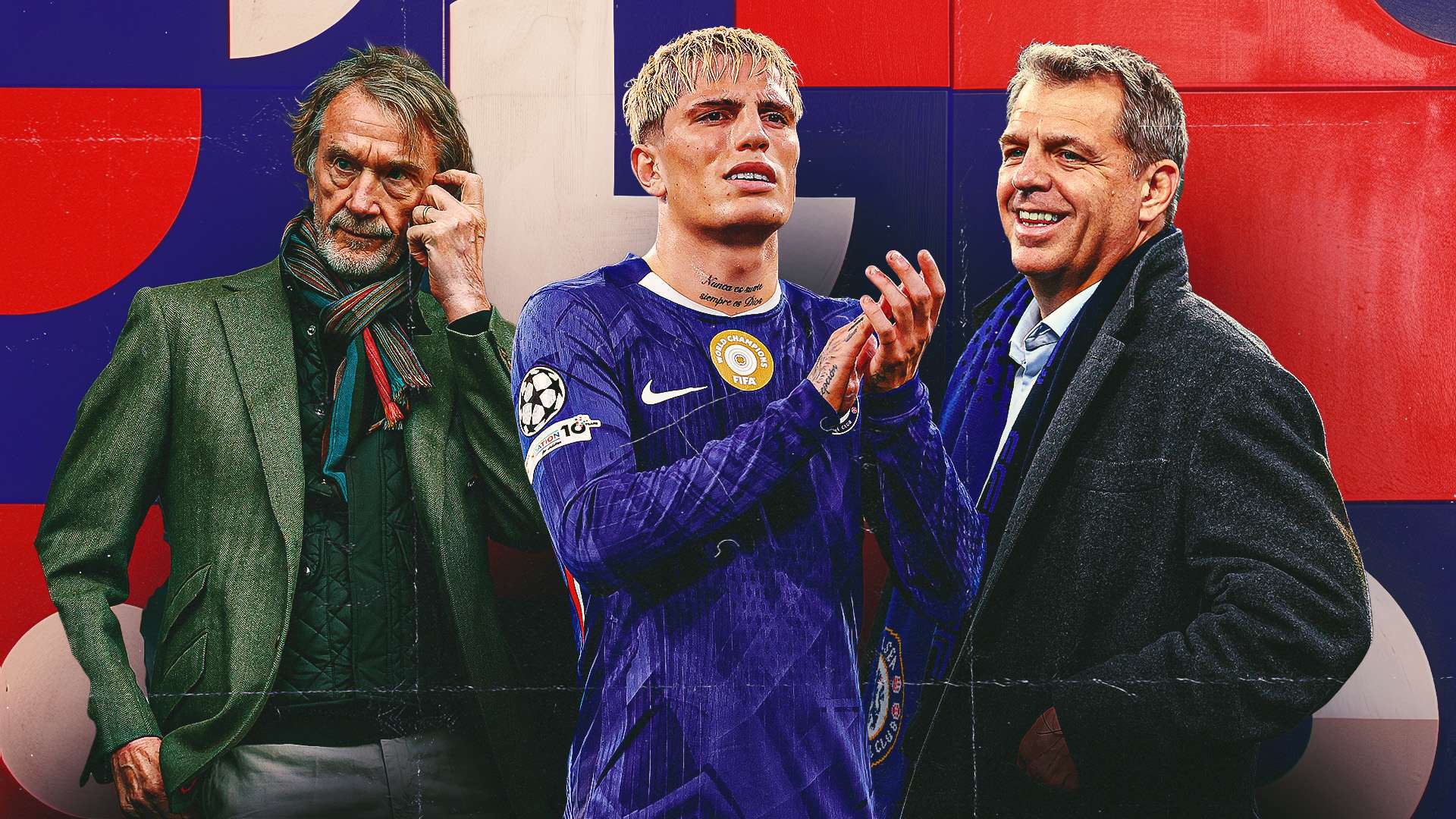
Before Sir Jim Ratcliffe made headlines for investing in Manchester United, he made an unsuccessful attempt to buy Chelsea Football Club. Ratcliffe, who grew up in north Manchester and attended games at Old Trafford with his father, developed a liking for Chelsea as an adult while living and working in affluent west London.
Missed Opportunity with a Basic Mistake
Despite his passion for Chelsea and his ties to the area, Ratcliffe’s bid of £4.25 billion ($5.79bn) was submitted six weeks after the deadline set by Raine, the bank handling the sale. In a plea to Raine, Ratcliffe expressed his British roots and good intentions for the club, urging them not to discount his offer. However, Raine ultimately dismissed his bid and accepted an offer from a consortium led by American billionaire Todd Boehly.
Competitive Landscape at Manchester United
Following his failed bid for Chelsea, Ratcliffe turned his attention to Manchester United, acquiring a 27 percent stake in the club. This move put him in direct competition with Boehly, leading to scrutiny and criticism from both supporters and the media. Ratcliffe, who used to enjoy reading newspapers in the morning, has found this routine spoiled by the constant barrage of criticism.
Coping with Criticism
Boehly, on the other hand, has shared insights on how he deals with scrutiny, emphasizing the importance of accepting that it is impossible to keep everyone happy all the time. This perspective has given him a sense of freedom amidst the challenges of owning a football club.
Learning from Boehly
There are areas where Ratcliffe could potentially learn from Boehly, especially in terms of handling criticism and navigating the complexities of football club ownership. Ratcliffe’s experience with Chelsea serves as a lesson in timing and attention to detail, while his current involvement with Manchester United presents ongoing challenges and opportunities for growth.
As Ratcliffe continues to navigate the world of football ownership, his journey from failed bid for Chelsea to stakeholder in Manchester United showcases the highs and lows of the sport’s business side. Despite setbacks and criticism, Ratcliffe remains a prominent figure in the football industry, with valuable lessons to be learned from his experiences.
Missed Opportunity with a Basic Mistake
Sir Jim Ratcliffe’s failed attempt to buy Chelsea Football Club was a missed opportunity driven by a basic mistake in timing. His bid, despite being backed by a substantial amount of £4.25 billion ($5.79bn), was submitted late, six weeks after the deadline set by Raine, the bank handling the sale. This error highlighted the importance of meticulous attention to detail and punctuality in the high-stakes world of football club acquisitions.
Despite expressing his British roots and genuine intentions for the club, Ratcliffe’s belated bid was ultimately dismissed by Raine in favor of a consortium led by American billionaire Todd Boehly. This turn of events underscored the competitive nature of the football ownership landscape and the significance of strategic timing in making successful bids for top-tier clubs.
Competitive Landscape at Manchester United
Ratcliffe’s pivot to investing in Manchester United following the failed Chelsea bid intensified the competitive dynamic between him and Todd Boehly. Acquiring a 27 percent stake in the club put Ratcliffe in direct competition with Boehly, leading to heightened scrutiny and criticism from fans, the media, and industry observers alike.
The rivalry between Ratcliffe and Boehly underscores the cutthroat nature of football ownership, where wealthy individuals vie for control and influence over prestigious clubs. Ratcliffe’s transition from a Chelsea enthusiast to a stakeholder in Manchester United symbolizes the shifting allegiances and strategic maneuvers that define the modern football ownership landscape.
Lessons Learned and Growth Opportunities
As Ratcliffe continues to navigate the complexities of football club ownership, there are valuable lessons to be gleaned from his experiences. Ratcliffe’s failed bid for Chelsea serves as a cautionary tale about the importance of timing, attention to detail, and adhering to established deadlines in the pursuit of acquiring top football clubs.
On the other hand, Todd Boehly’s approach to handling criticism and maintaining a sense of freedom amidst challenges provides a contrasting perspective for Ratcliffe to consider. Learning from Boehly’s insights could equip Ratcliffe with valuable strategies for managing public scrutiny, fostering positive relationships with stakeholders, and leveraging opportunities for growth and development within the football industry.
Conclusion
In conclusion, Sir Jim Ratcliffe’s journey from a failed bid for Chelsea to becoming a stakeholder in Manchester United encapsulates the highs and lows of football club ownership. Through his experiences, Ratcliffe has encountered setbacks, faced criticism, and navigated the competitive landscape of the industry. By reflecting on his past endeavors and learning from the strategies of his peers like Todd Boehly, Ratcliffe continues to evolve as a prominent figure in the football business, poised to seize new opportunities and overcome challenges in his pursuit of success.