
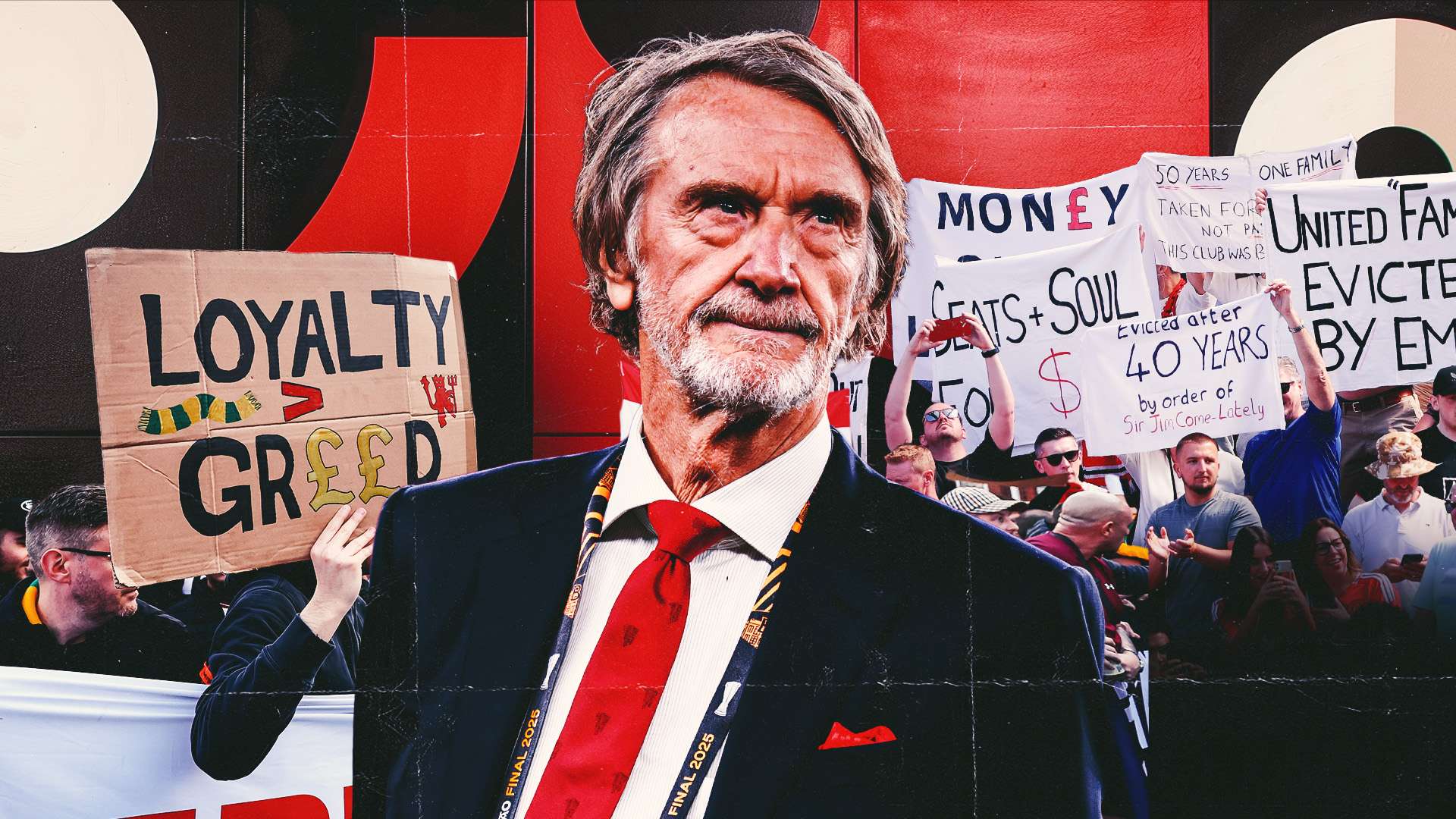

Saudi Sports Promoter Claims Manchester United Up for Sale
Saudi sports promoter Turki Al-Sheikh, known for his involvement in bringing major boxing events to the Middle East, has made a stunning revelation concerning English football giants Manchester United. Al-Sheikh has recently claimed that the Red Devils are once again on the market, with a deal reportedly in the final stages to transfer ownership of the club to new investors.
Previous Takeover Saga
This news comes after Manchester United was embroiled in a prolonged takeover battle in 2023. The saga saw billionaire Sir Jim Ratcliffe and his INEOS group acquire a 25 percent stake in the club, taking control of football operations at the iconic Old Trafford stadium. Now, with Al-Sheikh’s announcement, the football world is abuzz with speculation about who the potential new owners of the club could be and what changes they may bring.
Al-Sheikh’s Claims
While Al-Sheikh’s statements have not been confirmed by Manchester United or any official sources, his track record in the sports industry lends credibility to his assertions. As a key figure in the promotion of sports events in the Middle East, including high-profile boxing matches, Al-Sheikh’s insights into the business of sports are highly regarded.
Should Al-Sheikh’s claims prove to be true, it would mark a significant development in the ownership landscape of one of the most storied football clubs in the world. The potential sale of Manchester United could have far-reaching implications for the club’s future direction, transfer policy, and overall competitiveness in the footballing arena.
Impact on Football World
With Manchester United being one of the most valuable and widely supported football clubs globally, any change in ownership is bound to attract attention and speculation. The club’s passionate fan base, known for their unwavering loyalty and high expectations, will undoubtedly be following these developments closely.
Furthermore, the financial implications of a potential sale of Manchester United could reverberate throughout the football world, impacting player transfers, sponsorship deals, and the overall market value of football clubs. The club’s brand and legacy, built over decades of success and iconic moments, are also at stake in any ownership transition.
Looking Ahead
As the football community awaits further updates on the reported sale of Manchester United, the coming days and weeks are sure to be filled with speculation, analysis, and anticipation. The potential for new owners to inject fresh capital, ideas, and vision into the club presents both opportunities and challenges for the Red Devils and their supporters.
Ultimately, the fate of Manchester United hangs in the balance as the club navigates this pivotal moment in its history. Whether Al-Sheikh’s claims are proven accurate or not, the prospect of a change in ownership at such a prestigious institution is a reminder of the ever-evolving nature of the football industry.
Keywords: football, prediction, Manchester United, Turki Al-Sheikh, takeover, ownership, club, sale, INEOS, speculation
Current State of Manchester United
Manchester United, one of the most successful football clubs in England, has seen a mix of highs and lows in recent years. Despite their rich history and tradition of winning trophies, the club has struggled to maintain the same level of dominance on the field in the post-Sir Alex Ferguson era. With a revolving door of managers and inconsistent performances in the English Premier League, Manchester United has faced criticism from fans and pundits alike.
The potential sale of the club could provide a fresh start and a new direction for Manchester United. New owners might bring in a different management style, investment in player recruitment, and a renewed focus on returning the club to its former glory. While change can be daunting for loyal supporters, it also offers the promise of revitalization and a chance to compete at the highest levels of European football once again.
Impact on Player Transfers and Recruitment
One of the key areas where a change in ownership could have a significant impact is in player transfers and recruitment. Manchester United has a history of breaking transfer records and signing marquee players to bolster their squad. With new owners at the helm, the club could see a shift in transfer strategy, focusing on developing young talent, building a more cohesive team, and investing in the long-term success of the club.
Additionally, the financial resources of potential new owners could open up opportunities for Manchester United to compete for top talent in the transfer market. This could lead to exciting signings, improved squad depth, and a more competitive team capable of challenging for domestic and international titles.
Global Brand and Commercial Partnerships
Manchester United’s status as a global brand and commercial powerhouse is well-established. The club’s massive fan base, lucrative sponsorship deals, and extensive reach make it one of the most valuable sports franchises in the world. Any change in ownership would undoubtedly impact the club’s commercial partnerships, marketing strategies, and global appeal.
New owners could potentially explore innovative ways to leverage Manchester United’s brand to attract more sponsors, expand their international fan base, and increase revenue streams. By tapping into new markets, engaging with fans around the world, and staying at the forefront of digital and social media trends, the club could solidify its position as a commercial juggernaut in the sports industry.
Community and Legacy
Beyond the business and sporting aspects, Manchester United holds a special place in the hearts of its fans and the local community. The club’s rich history, traditions, and connection to the city of Manchester are integral to its identity. Any change in ownership would need to consider the impact on the community, the club’s heritage, and its responsibility to uphold its values and principles.
Preserving the legacy of Manchester United, honoring its past achievements, and maintaining its commitment to social responsibility are essential components of any ownership transition. New owners would be tasked with not only driving success on the field but also embodying the spirit of the club, engaging with supporters, and fostering a sense of unity and pride among all stakeholders.
Conclusion
In conclusion, the potential sale of Manchester United represents a significant moment in the club’s history. While the details of the reported takeover remain speculative, the implications of new ownership are vast and far-reaching. From the on-field performance to the commercial viability, from the community impact to the preservation of the club’s legacy, every aspect of Manchester United could be influenced by this pivotal development.
As fans, analysts, and industry experts await further updates and official confirmation, the future of Manchester United hangs in the balance. The club’s ability to adapt, evolve, and thrive in the face of change will determine its success in the ever-competitive world of football. Whether the Red Devils soar to new heights under fresh ownership or face challenges along the way, the journey ahead promises excitement, uncertainty, and the enduring passion of football fans worldwide.