
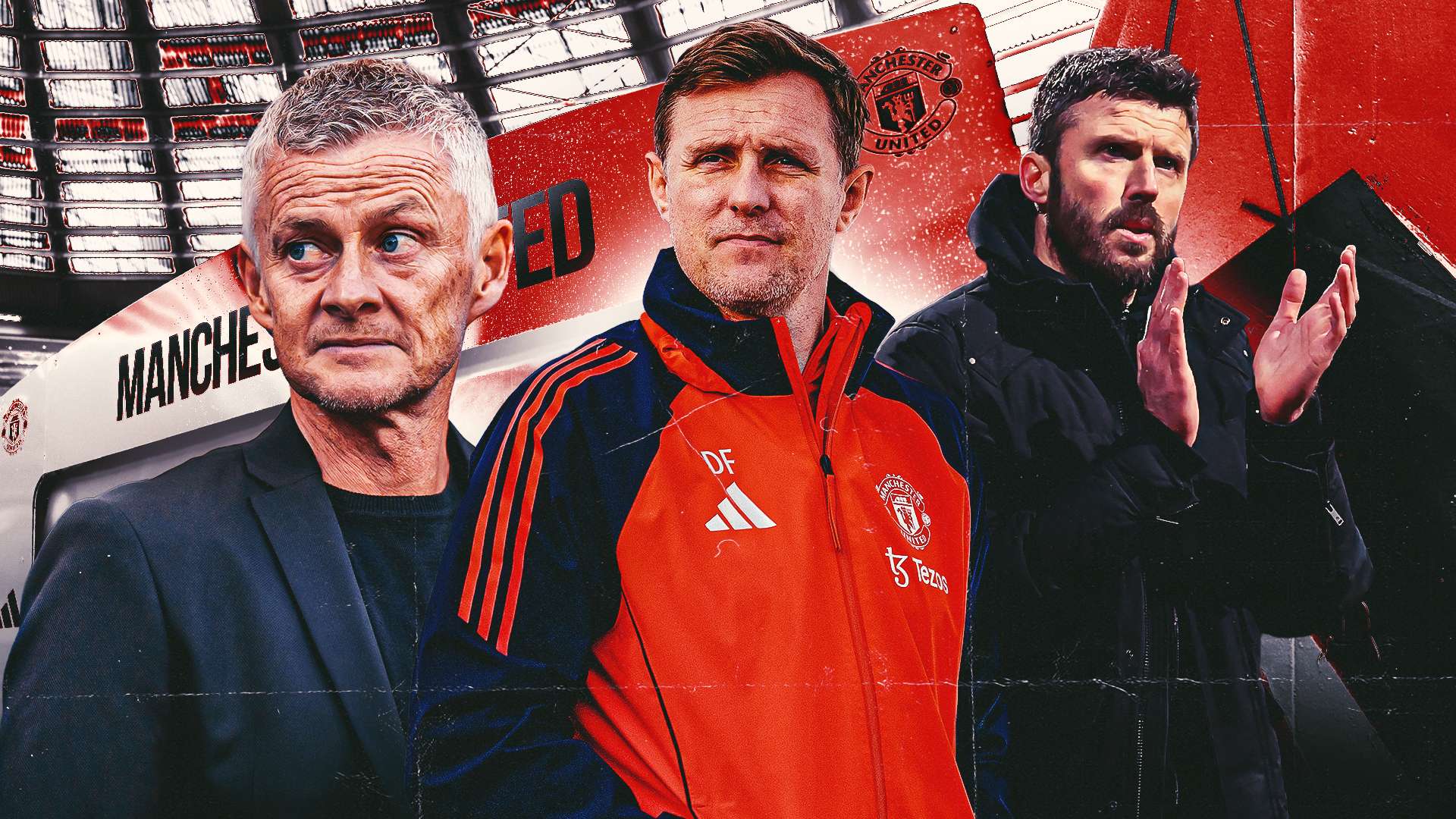

Head Coach Ruben Amorim Left Manchester United Due to Control Issues
In a surprising turn of events, Ruben Amorim, the first head coach in Manchester United’s history, decided to step down from his position after feeling restricted in his role. The distinction of being a ‘head coach’ rather than a ‘manager’ seemed to be a point of contention for Amorim, who ultimately desired more control over the team’s operations.
Desire for Managerial Control
Amorim’s decision to leave was fueled by his desire for autonomy in decision-making, particularly in areas concerning transfers and tactical strategies. It became apparent that he was not comfortable with others, such as director of football Jason Wilcox, having input into key aspects of the team’s performance. This clash of opinions led to a breakdown in communication and ultimately led to Amorim’s departure.
According to reports, Thomas Tuchel, a respected German coach, had a similar experience when considering a role at United in 2024. Tuchel was enthusiastic about the opportunity until he learned that he would not have the final say on transfers, prompting him to reconsider his decision. This trend of potential managers seeking more control highlights a growing issue within the football world.
Challenges Faced by United’s Management
The clash between Amorim and the club’s directors sheds light on the challenges faced by United’s management in attracting top talent. Erik ten Hag, another candidate for the position, also expressed a desire for more control over transfers, leading to a deadlock in negotiations. The club’s new ownership by INEOS seems to be a point of contention for elite candidates, raising concerns about the future direction of the team.
It is clear that the issue of managerial control is becoming increasingly important in the world of football. Coaches and managers are seeking greater autonomy in decision-making, particularly in areas that directly impact the team’s performance. The case of Ruben Amorim at Manchester United serves as a cautionary tale for clubs looking to attract top talent in the future.
Implications for the Future
As the football landscape continues to evolve, the issue of managerial control will undoubtedly play a crucial role in shaping the future of the sport. Clubs will need to adapt to the changing demands of coaches and managers, providing them with the autonomy they seek while also ensuring that the team’s interests are prioritized.
For Manchester United, the departure of Ruben Amorim highlights the challenges faced by the club in maintaining a balance between managerial control and team performance. It remains to be seen how the club will address these issues moving forward and attract top talent in the highly competitive world of football.
Keywords: football, prediction, Manchester United, Ruben Amorim, managerial control, coaching, team performance, future of football.
Evolution of Managerial Roles in Football
The case of Ruben Amorim at Manchester United sheds light on the evolving dynamics of managerial roles in modern football. Traditionally, a ‘manager’ held significant power and control over all aspects of the team, including transfers, tactics, and player selection. However, in recent years, the role of a ‘head coach’ has become more prevalent, with a focus on training, tactics, and match preparation, while transfer decisions are often delegated to a director of football or sporting director.
Amorim’s departure highlights the importance that coaches and managers place on having a say in transfer activities. In the competitive world of football, where success is often measured by trophies and league standings, having the ability to shape the squad according to one’s vision is crucial. The clash between Amorim and the club’s hierarchy underscores the delicate balance between ownership, management, and coaching staff in modern football clubs.
Impact on Team Performance and Predictions
When a coach or manager lacks control over transfer activities and tactical decisions, it can have a direct impact on team performance. Without the ability to bring in players that fit their system or implement strategies that align with their vision, success on the pitch may be compromised. As a result, predicting the outcome of matches becomes more challenging, as external factors beyond the coach’s control can influence results.
In the case of Manchester United, the departure of Amorim may lead to a period of uncertainty and adjustment as the club seeks a new head coach. The team’s performance in upcoming matches may fluctuate as players adapt to new tactics and strategies under a different leader. This unpredictability can make it difficult for fans, pundits, and bettors to accurately predict the team’s results in the short term.
The Importance of Alignment and Communication
Ultimately, the situation at Manchester United emphasizes the importance of alignment and communication between all stakeholders within a football club. Clear expectations, defined roles, and open dialogue are essential to prevent conflicts like the one that led to Amorim’s departure. Clubs must ensure that there is a shared vision among ownership, management, and coaching staff to foster a cohesive environment conducive to success.
As football continues to evolve, the issue of managerial control will remain a central theme in discussions surrounding club management and recruitment. Coaches and managers will continue to seek autonomy and influence over key decisions, while clubs must find a balance between providing freedom and maintaining strategic direction. The ability to navigate these complexities will be crucial for clubs looking to achieve sustained success in the ever-changing landscape of professional football.
Keywords: football, prediction, Manchester United, Ruben Amorim, managerial control, coaching, team performance, future of football, alignment, communication.
By exploring the implications of Amorim’s departure in depth, we can better understand the challenges faced by modern football clubs in balancing managerial control with team performance and predicting outcomes in an ever-changing environment.
