
Manchester United’s JJ Gabriel Situation Raises Questions About Talent Retention
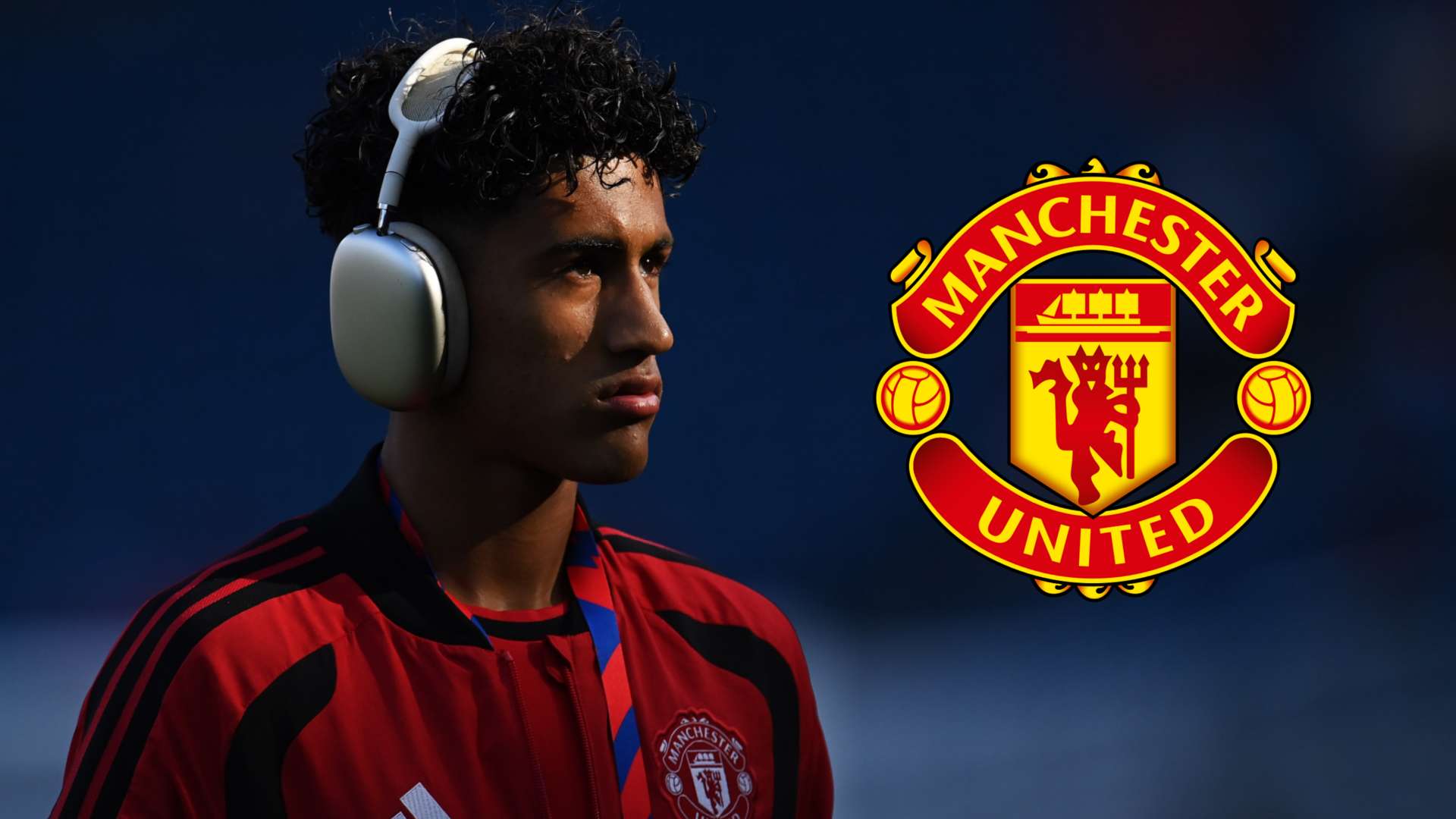
Manchester United could be heading towards a parting of ways with teenage prospect JJ Gabriel, despite the excitement surrounding his development. The 16-year-old has attracted considerable attention, and uncertainty over his future has prompted fresh discussion about the club’s ability to keep its most promising young players.
Former United defender Paul Parker believes the situation should not be mistaken for a wider loss of influence. Speaking to GOAL, Parker argued that the club still has the international appeal needed to attract elite prospects and persuade talented players to stay. In his view, the current dispute may be difficult, but it does not mean United have lost their standing as a destination for emerging footballers.
Why JJ Gabriel’s Future Is Under the Spotlight
Gabriel has become one of the most talked-about young names associated with Manchester United. At just 16, the prospect of his departure has drawn attention not only because of his potential, but also because top clubs increasingly view youth development as an important part of their long-term plans. A promising academy player can represent years of investment, a future first-team option and, potentially, a valuable asset in the transfer market.
The circumstances behind Gabriel’s situation have been described as an “ego” battle. That phrase points to the personal and institutional pressures that can arise when a highly rated teenager and a major club negotiate over the next stage of a career. Expectations, ambition, playing opportunities and the terms of a future pathway can all shape those discussions. However, the details of any negotiations have not been established in the original comments, so the broader issue is best understood as a dispute over whether both sides can agree on what comes next.
For United, the potential loss would be a reminder that academy status alone does not guarantee a young player’s future. Teenagers and their families often weigh several factors when deciding where to develop, including coaching, facilities, education, competition for first-team places and the clarity of a club’s progression plan. Even a famous badge cannot settle every question.
Paul Parker Backs United’s Global Appeal
Parker’s response offers a more measured perspective. He accepts that United may be at risk of losing Gabriel, but maintains that the club’s worldwide reputation remains a powerful advantage. Manchester United continue to command attention across football, and their history, fan base and profile can make them an attractive option for young players seeking a platform to develop and compete at the highest level.
That appeal matters in a crowded market for youth talent. Premier League sides, European clubs and specialist academies all compete to identify promising players early. A club’s reputation can open doors, but retaining a prospect usually requires more than status. Young footballers need to see how they might progress from academy football to senior training, reserve competition and eventually first-team involvement.
Parker’s confidence is therefore tied to a broader point: one difficult case does not necessarily define a club’s future recruitment or retention record. United can continue to attract talented players while also learning from situations in which a young prospect’s ambitions do not align with the club’s plans. The challenge is to turn global appeal into a convincing development pathway that players and families can trust.
The Wider Challenge of Keeping Teenage Prospects
Elite youth football has become increasingly competitive. Clubs invest heavily in scouting and coaching, while families have more information and more choices than in previous generations. A teenager who stands out may receive attention from multiple teams, each offering a different environment and route towards senior football. That creates pressure for clubs to communicate clearly about development rather than relying on reputation alone.
For an academy player, the most important question is often practical: what opportunities are likely to follow? A strong programme should combine technical coaching with physical development, education and support for life away from the pitch. It should also offer realistic milestones, so a young player can understand what progress looks like and how selection decisions are made.
Manchester United’s size can be both an advantage and a complication. The club can provide high-level facilities, experienced coaching and exposure to a global audience. At the same time, the competition for places is intense. A prospect may have to contend with other academy graduates and established signings, making a credible route into the senior squad essential to any retention effort.
What the Situation Could Mean for Manchester United
If Gabriel does leave, the decision would be disappointing for United, particularly given the attention he has generated. It would not, however, automatically signal a collapse in the club’s ability to develop young players. Academy football is shaped by individual choices, and even well-resourced clubs cannot guarantee that every promising teenager will remain.
The more useful measure will be how United respond. The club can reinforce its youth strategy by setting out clear progression plans, maintaining strong relationships with players’ families and ensuring that academy prospects receive meaningful opportunities to train and compete at higher levels. Those steps can help turn the club’s reputation into something tangible for young players considering their futures.
There is also a broader lesson for supporters following the story. Headlines about a potential departure can make a single case appear to represent the entire health of a youth system. In reality, an academy’s strength is better judged over time: by the number of players who develop, the quality of coaching, the transition into senior football and the club’s ability to recruit new talent.
United’s Appeal Remains Central to the Debate
Parker’s comments suggest that Manchester United remain confident in their ability to attract and retain exciting prospects, even as Gabriel’s future looks uncertain. The club’s global profile continues to carry weight, but modern recruitment depends on more than history. Young players want to know how they will improve, where they fit and whether there is a credible route to first-team football.
For now, the possible separation between United and Gabriel is a developing story rather than a definitive verdict on the club’s youth ambitions. The outcome will depend on whether the two sides can find common ground. Regardless of the result, the episode highlights a central reality of modern football: reputation can bring promising talent through the door, but a strong development plan is often what persuades that talent to stay.