
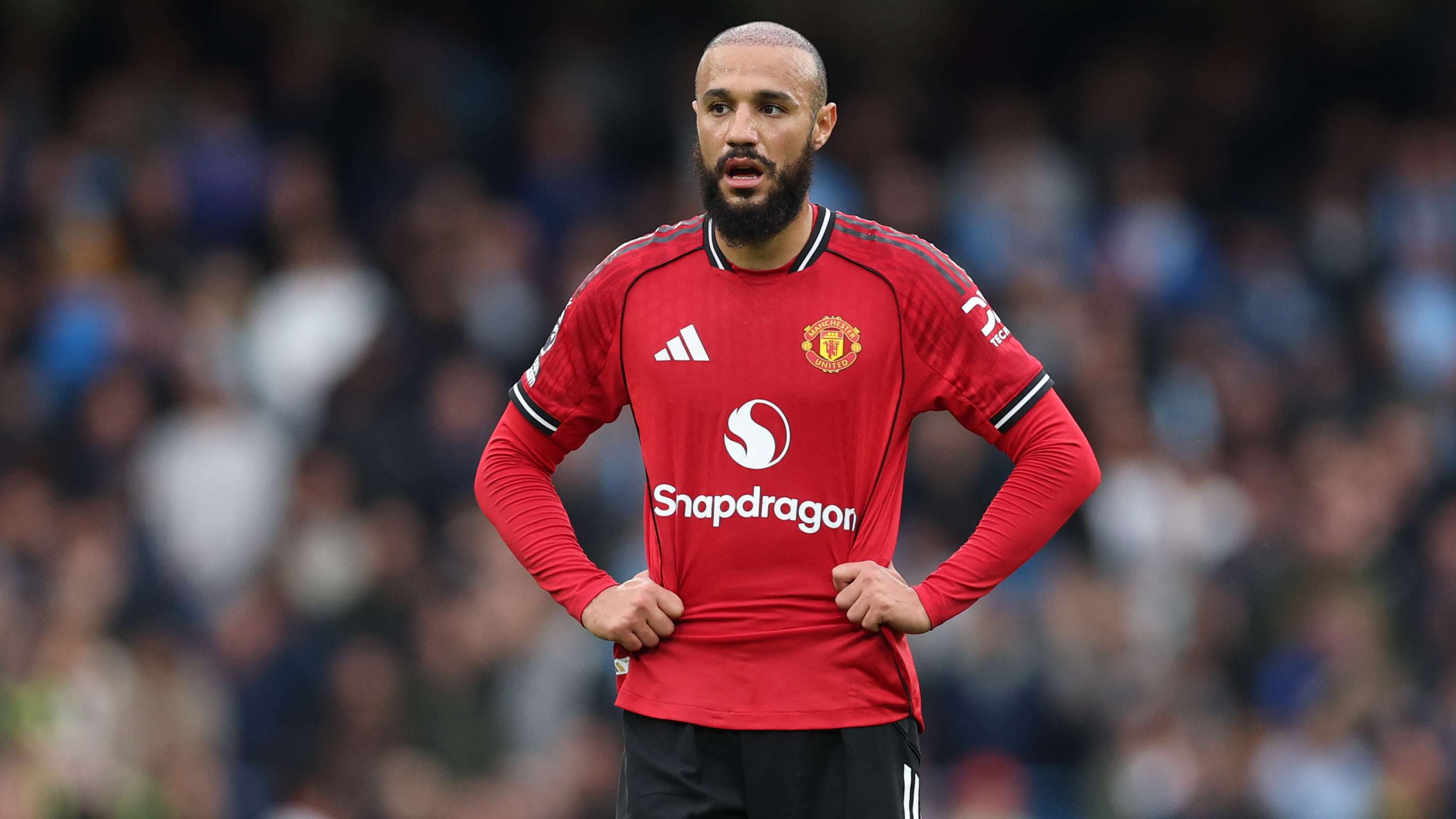

Manchester United Lodges Complaint with FIFA Over Player Eligibility Issue
Manchester United recently found themselves in a dispute with FIFA after Morocco refused to allow Noussair Mazraoui to participate in the club’s Premier League match against Bournemouth. The Red Devils argued that the defender should have been cleared to play under the Africa Cup of Nations release agreements.
What Happened?
According to reports, Manchester United raised concerns with FIFA when Morocco blocked Mazraoui from joining the team for the crucial game against Bournemouth. The club believed that the player met the criteria for eligibility set forth by FIFA’s regulations regarding the release of players for international tournaments.
FIFA Regulations
Under FIFA regulations, players selected for Africa Cup of Nations squads are required to be released by their clubs seven days before their national team’s first match in the tournament. This release period typically begins on December 15th, coinciding with the date of Manchester United’s game against Bournemouth.
The Red Devils argued that Mazraoui should have been permitted to join the team for the match as he met the criteria outlined in the release arrangements. However, Morocco’s decision to withhold the player raised questions about the interpretation and enforcement of FIFA’s regulations.
Manchester United’s Response
Manchester United’s complaint to FIFA highlighted the club’s frustration over the situation involving Mazraoui. The team expressed disappointment over the player’s absence and the impact it had on their squad for the crucial Premier League fixture.
The club’s stance on the matter reflected their commitment to following FIFA regulations and ensuring that their players are treated fairly and in accordance with international football guidelines.
Implications and Future Resolution
The dispute between Manchester United and Morocco over Noussair Mazraoui’s eligibility for the Bournemouth match raised questions about the interpretation and enforcement of FIFA’s regulations. The incident also shed light on the challenges faced by clubs when international tournaments overlap with domestic league fixtures.
As FIFA investigates the complaint lodged by Manchester United, the footballing community will be looking for clarity on the issue and potential solutions to prevent similar conflicts in the future. The outcome of this case could have a significant impact on how clubs manage player availability during international tournaments.
Conclusion
Manchester United’s complaint to FIFA over Noussair Mazraoui’s eligibility issue highlights the complexities and challenges faced by clubs when international and domestic fixtures overlap. The dispute underscores the importance of clear and consistent regulations in ensuring fair treatment of players and clubs in football.
As the footballing world awaits FIFA’s response to the complaint, the outcome of this case could have far-reaching implications for how clubs navigate the complexities of player availability during international tournaments.
Impact on Team Dynamics
Manchester United’s clash with FIFA and Morocco over Noussair Mazraoui’s eligibility not only affected the team’s lineup for the Bournemouth match but also had potential repercussions on team dynamics. The absence of a key player like Mazraoui could disrupt the cohesion and strategy of the squad, leading to challenges on the field that could have been avoided if he had been available.
This incident sheds light on the delicate balance that clubs must maintain between international commitments and domestic responsibilities. The unpredictable nature of player availability during international tournaments can create uncertainty within teams and impact their performance in crucial matches.
Legal Ramifications
Manchester United’s decision to escalate the issue to FIFA could have legal implications beyond the football pitch. The club’s complaint raises questions about contractual obligations, player rights, and the authority of governing bodies in resolving disputes between national teams and clubs.
If FIFA rules in favor of Manchester United, it could set a precedent for how similar conflicts are resolved in the future and establish clearer guidelines for clubs and players navigating the complexities of international competitions. On the other hand, a ruling against the club could lead to further debates on the interpretation and enforcement of FIFA regulations.
Fan Reactions and Public Perception
The public response to Manchester United’s complaint with FIFA could also shape the perception of the club and its handling of the situation. Fans and stakeholders may have differing opinions on the matter, with some supporting the club’s efforts to uphold player rights and others questioning the timing and impact of the dispute.
This incident could influence how fans view the club’s commitment to its players, adherence to regulations, and overall management of sporting affairs. The outcome of the dispute may sway public opinion and impact the reputation of Manchester United in the eyes of the football community.
Lessons Learned and Future Preparations
Regardless of the outcome of the dispute, Manchester United’s experience with Mazraoui’s eligibility issue serves as a valuable lesson for the club and other teams facing similar challenges. It underscores the importance of proactive communication, thorough understanding of regulations, and strategic planning to mitigate risks associated with international competitions.
Looking ahead, clubs may need to reassess their policies, procedures, and contingency plans to navigate the complexities of player availability during overlapping fixtures. By learning from this incident and implementing best practices, clubs can better manage their resources, protect their interests, and optimize performance on the field.
Conclusion
The dispute between Manchester United, FIFA, and Morocco over Noussair Mazraoui’s eligibility issue highlights the intricate web of regulations, challenges, and implications that clubs face in the world of football. This incident serves as a reminder of the complexities involved in balancing international and domestic commitments while upholding the rights and responsibilities of players and clubs.
As the footballing world awaits FIFA’s decision on the matter, the resolution of this dispute could mark a turning point in how conflicts over player eligibility are addressed and resolved in the future. By learning from this experience and adapting to the evolving landscape of the sport, clubs can enhance their readiness to tackle similar challenges and ensure fair play both on and off the pitch.