
Giovanni Malagò’s Election as FIGC President Sparks Intense Debate Amid Ongoing Controversies
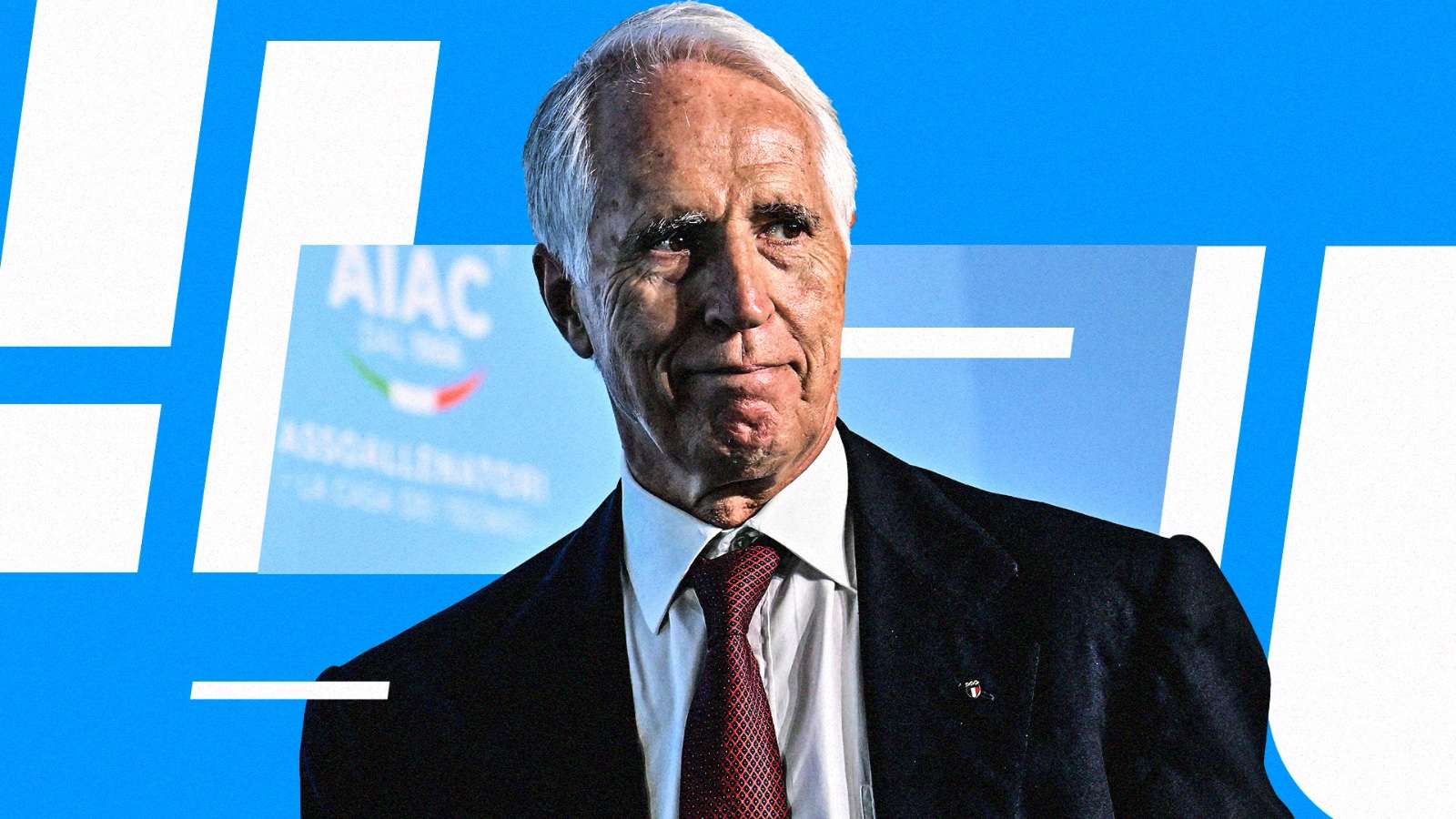
The recent election of Giovanni Malagò as the new president of the Italian Football Federation (FIGC) has ignited a wave of discussions and controversies within the football community and beyond. While supporters praise his leadership credentials and experience, critics are raising concerns over procedural irregularities, eligibility issues, and the broader implications for Italy’s beloved sport.
Background: The Controversy Surrounding Malagò’s Election
Giovanni Malagò, a prominent figure in Italian sports administration, was elected to lead the FIGC amidst a period of turbulence and uncertainty. His election followed a competitive process that, according to some stakeholders, was marred by procedural oversights and legal ambiguities. Central to the controversy is the question of whether Malagò met all the necessary registration requirements prior to the election, a matter now under scrutiny by the Italian National Olympic Committee (CONI).
Specifically, CONI is investigating allegations that Malagò’s candidacy may have involved a failure to complete proper registration procedures before the voting took place. This potential oversight has raised suspicions regarding the legitimacy of his election, with opponents arguing that such procedural lapses could undermine the credibility of the federation’s leadership. Furthermore, there are claims of alleged ineligibility due to possible breaches of the federation’s statutes, casting doubt on whether the election process adhered to the established legal framework.
Legal and Statutory Implications: Unraveling the Allegations
The core of the controversy lies in the legality of Malagò’s appointment. Critics assert that the failure to register correctly before the election might constitute a breach of the federation’s statutes, which could potentially invalidate the election outcome. The ongoing investigations by CONI aim to clarify whether procedural violations occurred and if they had any influence on the election results.
In sports governance, adherence to statutory regulations is paramount to ensure transparency, fairness, and legitimacy. Any breach could lead to calls for a re-election or even legal challenges to the legitimacy of Malagò’s presidency. The situation remains fluid, with authorities meticulously examining all relevant documentation, registration records, and procedural steps taken during the election process.
Malagò’s Response: Addressing the Challenges and Public Perception
Amidst the mounting controversy, Giovanni Malagò has publicly addressed the situation. Speaking to Sky Sport, the FIGC president acknowledged that he is navigating a difficult period marked by intense scrutiny and criticism. He admitted that recent days have been particularly challenging, describing the atmosphere as a “storm of friendly fire,” indicating that many of the attacks and accusations are coming from allies or individuals within the football community who have differing views on his leadership.
Malagò emphasized his commitment to transparency and his confidence in the integrity of the election process. “I am aware of the questions raised, but I firmly believe that the procedures followed were correct,” he stated. “My focus remains on steering Italian football toward a brighter future, and I am confident that the truth will come to light.”
The Broader Context: Football Governance and the Importance of Transparency
The controversy surrounding Malagò’s election highlights broader issues within football governance, not just in Italy but worldwide. As the sport continues to evolve into a global industry worth billions, the importance of transparent, fair, and legally compliant organizational processes becomes increasingly critical.
In recent years, several football associations and federations have faced similar challenges, with legal disputes, allegations of corruption, and disputes over leadership legitimacy making headlines. The case of Malagò’s election underscores the need for rigorous oversight, clear statutes, and adherence to governance best practices to sustain public trust and ensure the sport’s integrity.
Future Outlook: What’s Next for Italian Football?
As the investigation unfolds, stakeholders across the Italian football landscape are watching closely. The outcome could have significant implications for the federation’s leadership, future elections, and the overall direction of Italian football. If procedural violations are confirmed, there may be calls for new elections or even legal proceedings to determine the legitimacy of Malagò’s presidency.
Meanwhile, Malagò’s leadership will be under scrutiny as he works to consolidate his position and address the challenges facing Italian football. His ability to navigate this controversy while focusing on the sport’s development, talent nurturing, and competitive success will be critical in shaping his legacy.
Implications for Football Prediction and Fan Engagement
Controversies like these inevitably influence football prediction markets and fan sentiment. When leadership stability is questioned, predictions about team performances, league outcomes, and tournament results can become more unpredictable. Fans and analysts often factor in the broader organizational health of football associations when making predictions, as internal disputes and governance issues can impact team morale, player focus, and the overall competitive environment.
Moreover, transparency and trust in federation leadership are essential for fostering a healthy football ecosystem. Confidence in the governing body’s integrity encourages better fan engagement, sponsorship deals, and international collaborations. As the story develops, football prediction enthusiasts will be keenly observing how these governance issues might ripple through the sport, potentially affecting team performances and tournament outcomes.
Conclusion: A Pivotal Moment for Italian Football Governance
The election of Giovanni Malagò as FIGC president marks a pivotal chapter in Italian football’s ongoing quest for transparent and effective governance. While the current controversies and legal investigations pose challenges, they also serve as a catalyst for reform and increased accountability within the sport’s organizational structures.
As the authorities continue their examination of the election process, the football community remains hopeful that clarity and fairness will prevail. Malagò’s leadership, whether confirmed or contested, underscores the importance of integrity, legality, and transparency in shaping the future of Italian football—a future that, many hope, will be brighter, more stable, and more competitive on the world stage.