

Morocco’s Grand Stade Hassan II Emerges as a Leading Contender to Host the 2030 FIFA World Cup Final
The race to host the prestigious 2030 FIFA World Cup final has become one of the most exciting and fiercely contested battles in international football. While Spain initially appeared to hold the upper hand, with iconic venues like the Santiago Bernabeu and Spotify Camp Nou poised to host the decisive match, recent developments suggest that Morocco’s ambitious plans could tilt the scales in its favor. The Moroccan bid, centered around the impressive new Grand Stade Hassan II in Benslimane, is gaining momentum, thanks to its formidable capacity and strategic timing.
The Battle for the 2030 World Cup Final: A Clash of Ambitions
The 2030 World Cup, marking the centenary of the tournament, has attracted global attention, with several nations eager to showcase their footballing prowess and infrastructural capabilities. Spain, home to some of Europe’s most legendary stadiums, was initially seen as the frontrunner, especially with the Santiago Bernabeu stadium in Madrid and the Spotify Camp Nou in Barcelona vying for the honour. Both venues boast rich histories and world-class facilities, making them natural choices for the final.
However, Morocco’s bid has introduced a compelling new dimension. The country is not only offering a strategic location bridging Africa and Europe but also presenting a new state-of-the-art stadium that could redefine the standards for hosting major football events. As the competition intensifies, the focus has shifted to infrastructural capacity, logistical readiness, and the ability to host a global audience — areas where Morocco is making a strong case.
Why the Grand Stade Hassan II Could Be the Game-Changer
The centerpiece of Morocco’s bid is the newly constructed Grand Stade Hassan II in Benslimane. This stadium, set to become one of the largest in Africa, boasts an impressive seating capacity of 115,000 spectators. To put that into perspective, it surpasses the capacities of both the Santiago Bernabeu, which accommodates approximately 78,000 fans, and the Spotify Camp Nou, which can hold around 105,000 supporters. This enormous capacity is not just a statistic; it is a strategic advantage that enhances Morocco’s appeal as a host for the World Cup final.
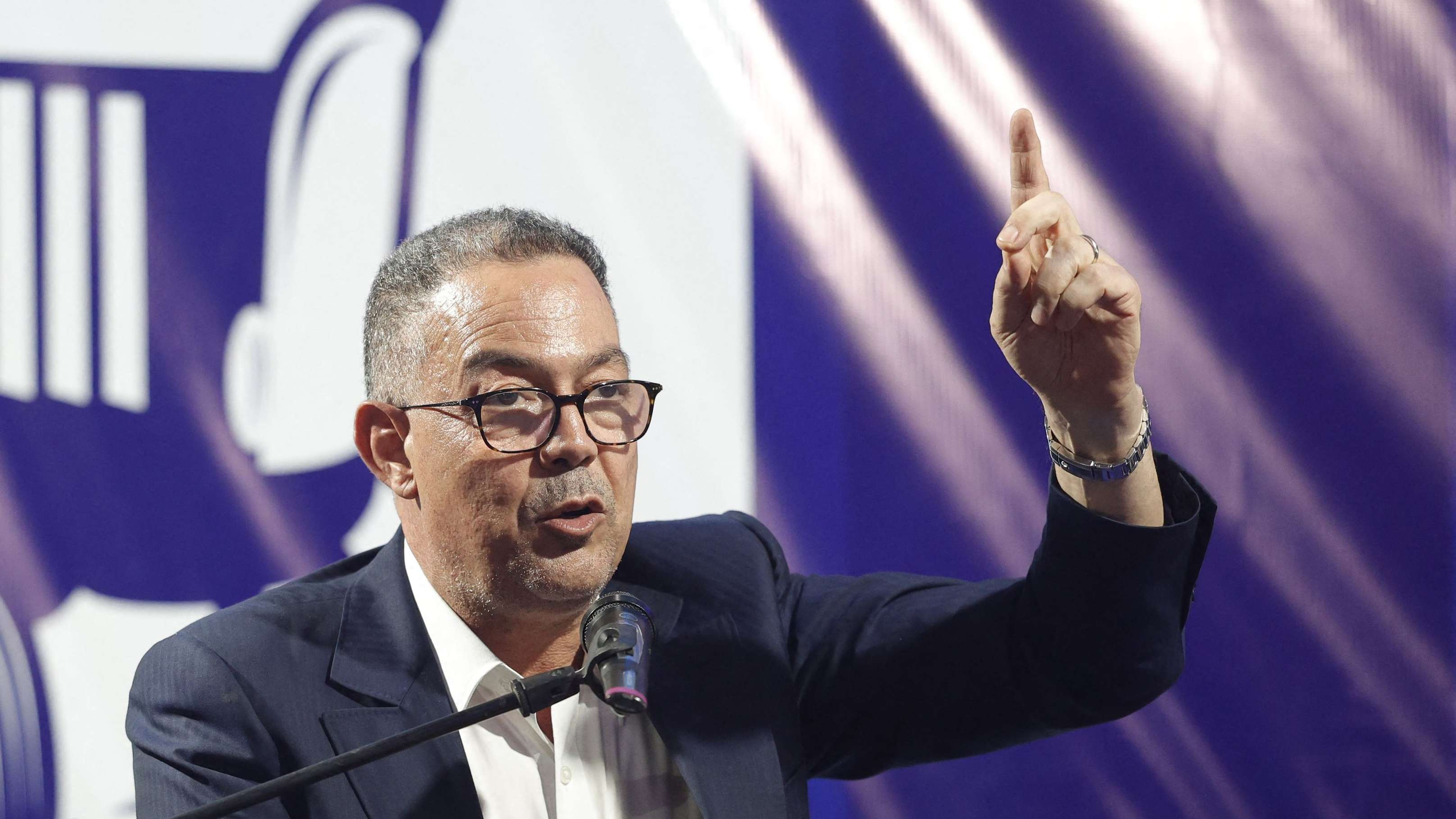
Fouzi Lekjaa, president of the Moroccan Football Federation, has been vocal about his country’s ambitions, emphasizing that capacity is a decisive factor in Morocco’s bid. During a recent rally for the Authenticity and Modernity Party, just days before Morocco’s legislative elections, Lekjaa declared with confidence: “We will mobilize all institutions and all Moroccans so that Morocco hosts the 2030 World Cup final, whether some like it or not.” His remarks underscore the national pride and determination fueling the bid.
Further reinforcing Morocco’s commitment, Lekjaa revealed that Benslimane would host the final, a move that could significantly boost the country’s chances. The new stadium is expected to be fully operational by 2027, giving it ample time to demonstrate its capacity by hosting other major football events ahead of the World Cup.
Timing and Infrastructure: Key Factors in the Bid
One of Morocco’s strategic advantages lies in the stadium’s construction timeline. With the Grand Stade Hassan II slated for completion ahead of the 2028 FIFA decision, the country could leverage its new infrastructure to showcase readiness and attract international attention through pre-World Cup events, such as continental tournaments, international friendlies, and youth competitions.
In contrast, Spain’s key stadiums are already operational but face the challenge of adapting to the specific needs of hosting a World Cup final, including logistical considerations and crowd management at larger venues. The fact that Morocco’s stadium will be brand new and purpose-built for such grand events positions it as a highly attractive alternative.
Financial Investment and Future Prospects
The construction of the Grand Stade Hassan II involves a significant investment, with costs estimated to exceed 450 million euros. The funds are being channeled into creating a state-of-the-art facility that meets FIFA’s stringent standards for hosting the final. This level of investment underscores Morocco’s serious commitment to securing the event and its understanding of the economic and global prestige associated with hosting the World Cup final.
FIFA’s decision on the host venue is expected to be announced around 2028, after thorough evaluations of infrastructural readiness, security plans, and logistical capabilities. Both Spain and Morocco are actively lobbying and preparing their bids, with the final decision likely to consider not only stadium capacity but also the broader vision for hosting the tournament, including transportation, accommodation, and fan engagement plans.
Implications for Global Football and the Future of the World Cup
Choosing Morocco to host the 2030 final would mark a historic milestone for African football, highlighting the continent’s growing influence and capacity to host world-class sporting events. It would also serve as a catalyst for further infrastructural development across Africa, fostering economic growth and encouraging youth engagement in football.
From a prediction standpoint, analysts suggest that Morocco’s bid has gained significant momentum due to its modern infrastructure, strategic location, and the palpable national determination to succeed. While Spain remains a strong contender with its established football heritage, the appeal of a new, purpose-built stadium with a record-breaking capacity could tip the scales in Morocco’s favor.
Community and Fan Engagement: The Role of Public Support
Beyond infrastructure and political will, public support plays a crucial role in FIFA’s decision-making process. Moroccan football fans and the general populace have shown unwavering enthusiasm for hosting the tournament, with widespread campaigns and social media engagement boosting the bid’s visibility. Similarly, Spain’s football community continues to advocate for the final to be held in its historic stadiums, emphasizing tradition and experience.
In the end, the choice will hinge on a combination of tangible infrastructural readiness and intangible factors like enthusiasm and global perception. As the countdown continues, football fans worldwide are eagerly awaiting the announcement that will shape the future of international football for generations to come.
Conclusion: A Pivotal Moment for Global Football Prediction
The race to host the 2030 FIFA World Cup final is more than just a bid; it’s a contest that reflects broader themes of infrastructure, national pride, and the evolving landscape of global football. Morocco’s Grand Stade Hassan II, with its record-breaking capacity and strategic timeline, is emerging as a strong contender that could redefine the hosting landscape of football’s most prestigious event.
As experts and fans alike weigh the possibilities, one thing is clear: the decision will have lasting implications for the sport’s future, the hosting countries involved, and the millions of fans who dream of witnessing history unfold live. Stay tuned as the world awaits FIFA’s final prediction, which could very well see Morocco step into the spotlight as the host of the 2030 World Cup final—an event that promises to be as historic as the tournament itself.