
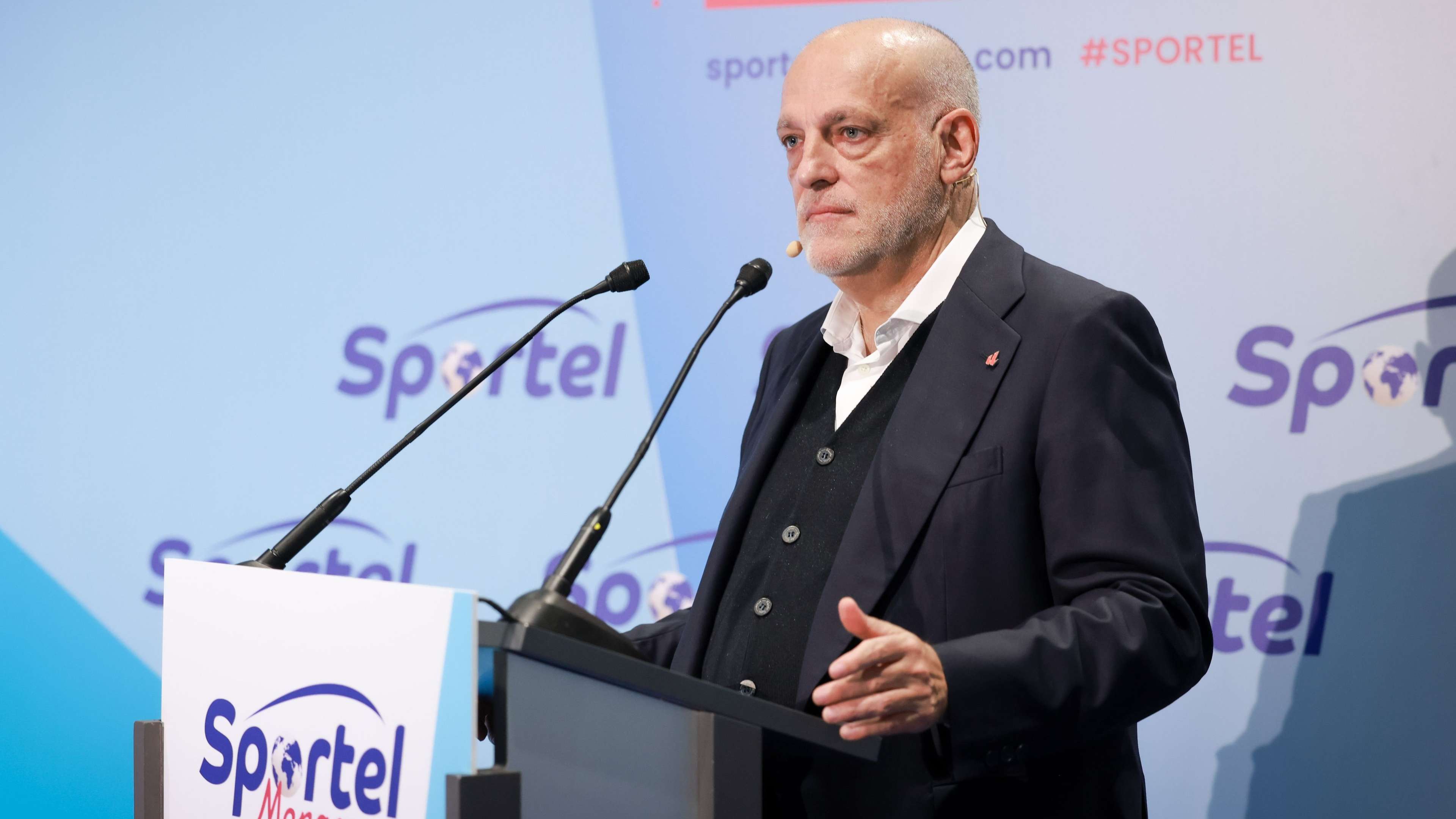

La Liga President Accuses Premier League of Inflating Player Salaries and Transfer Fees
The president of La Liga, Javier Tebas, recently made headlines by accusing the Premier League of inflating players’ salaries and transfer fees. Tebas, who is 63 years old, believes that this practice not only impacts the global market but also has repercussions on other leagues, including the Spanish top flight. In a recent interview, Tebas stressed the importance of promoting “sustainability” across Europe’s football leagues.
The Impact of Inflated Salaries and Transfer Fees
Tebas’s comments shed light on a long-standing issue in the world of football. The Premier League is known for its lucrative television deals and commercial partnerships, which have allowed clubs to spend vast amounts on player salaries and transfer fees. This has created a disparity between the Premier League and other leagues, making it challenging for them to compete on a level playing field.
According to Tebas, the inflated salaries and transfer fees in the Premier League have a domino effect on other leagues, including La Liga. Smaller clubs in Spain struggle to keep up with the financial demands of competing with English clubs, leading to an imbalance in European football.
The Importance of Sustainability
Tebas emphasized the need for sustainability in football, particularly in light of the economic challenges brought about by the COVID-19 pandemic. He called for a more equitable distribution of resources within European leagues to ensure that all clubs have a fair chance to compete.
By addressing the issue of inflated salaries and transfer fees, Tebas hopes to level the playing field and create a more competitive environment in European football. This, he believes, will benefit not only clubs but also fans who want to see exciting and unpredictable matches.
Looking Towards the Future
As the debate over player salaries and transfer fees continues, it remains to be seen how leagues will address these issues moving forward. Tebas’s comments have sparked a conversation about the sustainability of football and the need for greater financial responsibility among clubs.
It is clear that the issue of inflated salaries and transfer fees is a complex one that requires careful consideration and collaboration among all stakeholders in the football industry. Only by working together can European leagues achieve true sustainability and ensure a bright future for the sport.
In conclusion, Javier Tebas’s criticism of the Premier League’s handling of player salaries and transfer fees highlights a broader conversation about the state of European football. By promoting sustainability and financial responsibility, Tebas is advocating for a more balanced and competitive landscape that benefits all clubs and fans alike.
The Role of Financial Fair Play Regulations
One way in which football governing bodies have attempted to address the issue of inflated salaries and transfer fees is through Financial Fair Play (FFP) regulations. These rules were introduced by UEFA to promote financial stability and fair competition among European clubs. However, critics argue that FFP has not been effective in curbing excessive spending by wealthy clubs.
Despite the introduction of FFP regulations, many clubs have found ways to circumvent the rules through creative accounting practices and sponsorship deals that may not reflect the true value of the partnership. This has led to concerns about the effectiveness of FFP in achieving its intended goals of promoting financial sustainability in football.
The Influence of Agents and Intermediaries
Another aspect that contributes to the inflation of player salaries and transfer fees is the role of agents and intermediaries in player transactions. Agents often negotiate lucrative deals for their clients, which can drive up salaries and transfer fees. Additionally, intermediaries may benefit financially from player transfers, leading to potential conflicts of interest.
While agents play a crucial role in representing players and securing their best interests, there have been calls for greater transparency and regulation in the way they conduct business. By bringing more oversight to the role of agents and intermediaries, football authorities aim to mitigate the impact of their influence on player salaries and transfer fees.
The Globalization of Football
The globalization of football has also contributed to the inflation of player salaries and transfer fees. With clubs from around the world vying for top talent, the competition for players has intensified, driving up prices in the transfer market. The influx of wealthy owners and investors into the sport has further fueled this trend, as clubs are willing to pay top dollar for star players.
While the globalization of football has brought new opportunities and increased exposure to the sport, it has also raised concerns about the financial sustainability of clubs and leagues. The growing disparity between the wealthiest clubs and smaller teams has created a divide that threatens the competitive balance of football competitions.
The Need for Collective Action
In order to address the issue of inflated salaries and transfer fees effectively, there is a need for collective action from football stakeholders, including leagues, clubs, players, agents, and governing bodies. By working together to promote financial responsibility, transparency, and sustainability, the football industry can create a more level playing field that benefits all parties involved.
Ultimately, the debate over player salaries and transfer fees in football is multifaceted and requires a comprehensive approach to find sustainable solutions. While challenges remain, the efforts of individuals like Javier Tebas to raise awareness and advocate for change are essential in shaping the future of the sport and ensuring its long-term viability.
