
Xavi Hernández’s Tactical Shift: A New Era for the Netherlands Football Team
The landscape of international football is ever-evolving, and recent developments within the Netherlands national team underline a significant tactical shift under new coach Xavi Hernández. As the Dutch squad prepares for upcoming fixtures, especially the high-stakes clash against Germany, football analysts and fans alike are keen to understand the implications of the coach’s selection choices. Notably, this strategic direction is generating predictions about the team’s future performance and potential success on the international stage.
Understanding the Change in Team Selection: Moving Away from Veteran Strikers
In his debut international break as Netherlands head coach, Xavi Hernández has demonstrated a clear departure from the previous coaching philosophy of Ronald Koeman. Traditionally, the Dutch team relied heavily on experienced strikers such as Memphis Depay and Wout Weghorst—players known for their goal-scoring prowess and leadership qualities. However, Xavi’s selections indicate a new tactical approach that prioritizes different attributes and playing styles.
For the upcoming fixtures, Xavi has opted for young and dynamic forwards like Brian Brobbey and Donyell Malen. When Malen was sidelined due to injury, the coach called up Mexx Meerdink as his replacement, signaling a move towards integrating emerging talents into the national setup. This decision, along with the absence of Memphis Depay and Wout Weghorst, suggests that Xavi is consciously moving away from reliance on seasoned goal scorers, instead favoring players who fit his evolving tactical blueprint.
What Do These Selection Changes Signify for the Netherlands’ Football Prediction?
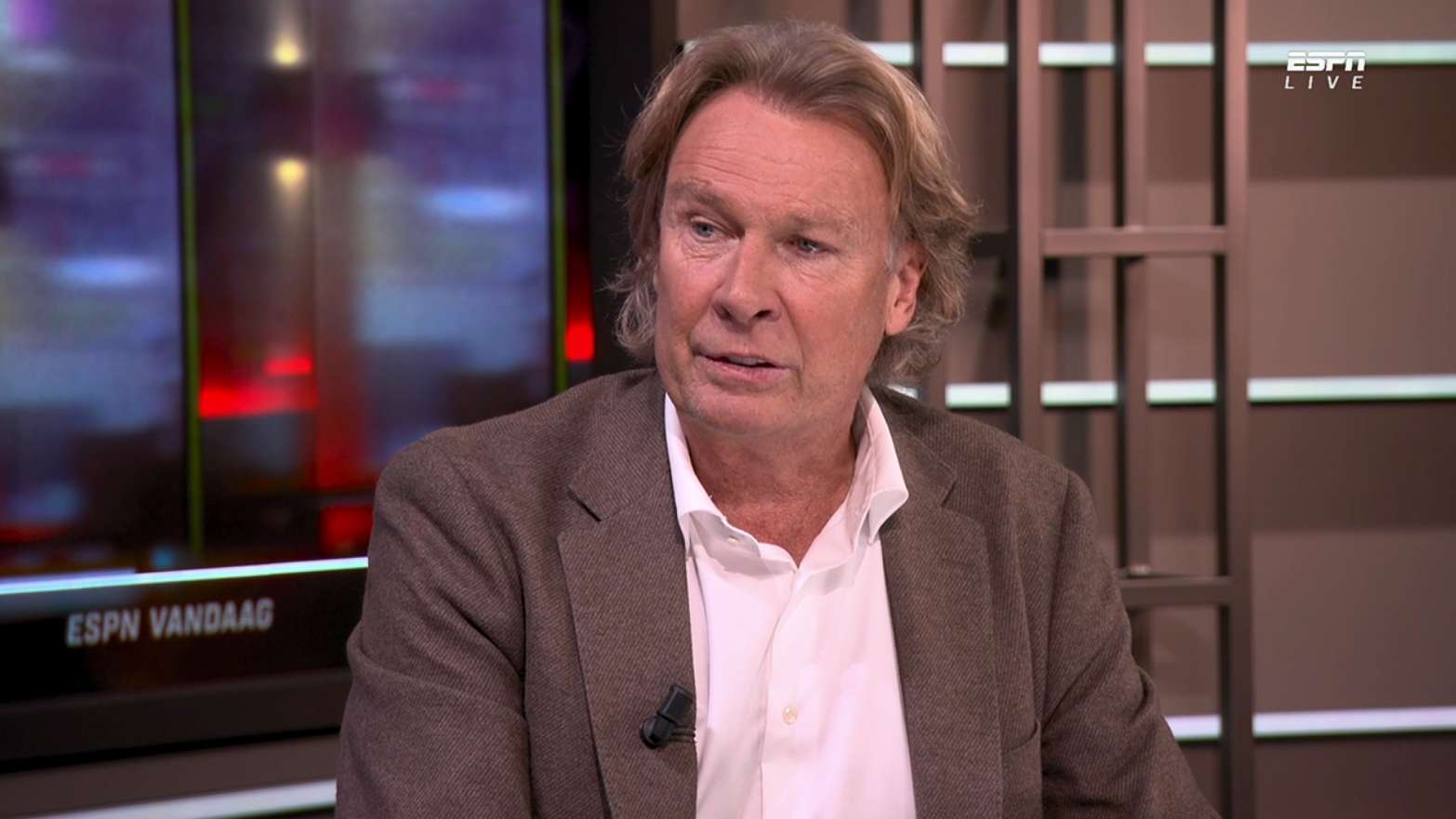
Football pundits like Hans Kraay Jr. have been quick to interpret these decisions. Kraay Jr., a well-respected football analyst, noted that the absence of Memphis Depay—who is the Netherlands’ all-time top scorer—and Wout Weghorst, despite his recent goal-scoring form, points to a deliberate strategy shift.
He commented, “Memphis not selected, that is a sign of the times. Weghorst not selected, who has scored five goals in his last six matches. Xavi knows that too.” This indicates that Xavi Hernández is not just making random choices but is instead aligning his squad with a specific tactical vision that may prioritize different qualities such as youth, mobility, and pressing ability over traditional goal-scoring prowess.
Kraay Jr. further speculated that these choices reflect a move away from a reliance on “pinch-hitter” style players—those brought in primarily for their goal-scoring ability in specific situations. “Then Malen and Brobbey come in because he does not need a pinch-hitter,” he said, implying that Xavi’s system aims for a more fluid, possession-based approach that minimizes the need for traditional target men.
Xavi Hernández’s Tactical Philosophy and the Future of Dutch Football
During a recent press conference, Xavi Hernández elaborated on his tactical philosophy, emphasizing a flexible, tactical approach over reliance on traditional ‘out-and-out’ target men. When questioned about Wout Weghorst’s absence, Xavi refrained from discussing individual players directly but indicated that his decisions are rooted in a broader strategic vision.
He said, “That was the most difficult decision. I know him well. I have a good relationship with him. But he took it really well. He reacted very maturely, and he fully understood my decision.” This statement reflects the importance Xavi places on team harmony and a collective understanding of the tactical shift he aims to implement.
Moreover, when asked about potential alternatives—such as a plan B—Xavi highlighted that his approach is predominantly tactical rather than dependent on specific personnel. He suggested that the team’s shape and strategy could evolve based on match situations, further emphasizing his focus on adaptability and modern football principles.
Implications for the Netherlands’ Football Prediction and Upcoming Fixtures
The decision to exclude seasoned goal scorers and incorporate younger players signals a possible long-term vision for Dutch football—one that aligns with contemporary trends emphasizing versatility, pressing, and possession-based play. As the Netherlands prepares for critical matches, including the UEFA Nations League encounters against top European teams, football prediction models are increasingly factoring in these tactical changes.
Analysts suggest that Xavi’s approach could lead to a more dynamic and unpredictable Dutch team, capable of competing at the highest levels. The focus on developing emerging talents like Brobbey and Meerdink might also be a strategic move to build a younger, more adaptable squad for future tournaments, including the next European Championship and World Cup.
What Can Fans Expect from the Netherlands Under Xavi Hernández?
Fans and football enthusiasts should anticipate a Netherlands team that emphasizes possession, quick transitions, and tactical flexibility. This approach aligns with Xavi Hernández’s playing philosophy, which he famously embodied during his illustrious career at Barcelona. His emphasis on technical skill, positional discipline, and fluid attacking movements is likely to redefine Dutch football’s tactical identity.
While some supporters may initially be skeptical about the absence of veteran goal scorers, the overarching prediction is that this strategy could yield long-term benefits, fostering a new generation of Dutch football stars ready to make their mark on the international stage. The upcoming matches will serve as a testing ground for this new approach, and football prediction models will closely monitor performances to gauge its effectiveness.
Conclusion: A New Chapter for Dutch Football and a Prediction for Success
In summary, Xavi Hernández’s strategic decisions—most notably the exclusion of seasoned strikers like Memphis Depay and Wout Weghorst—signal a bold new direction for the Netherlands football team. This tactical shift reflects a broader trend in football, emphasizing versatility, youth development, and modern playing styles. As the team gears up for upcoming fixtures, particularly against strong European rivals, football prediction experts are keenly assessing how these changes will influence the Netherlands’ performance.
Ultimately, this period marks an exciting chapter in Dutch football history, with the potential to redefine the national team’s playing style and success trajectory. Fans and analysts alike will be watching closely to see if this new path leads to victory, making it an intriguing time for football prediction enthusiasts eager to forecast the Netherlands’ future achievements.