
Leverkusen’s Germany International Drought Sparks Transfer Debate
Bayer Leverkusen’s absence from Jürgen Klopp’s latest Germany squad has reportedly triggered frustration and fresh discussion inside the club. The issue is especially sensitive because several players Leverkusen pursued during the summer transfer window have since earned national-team recognition—or were viewed as potential candidates for Klopp’s expanded group.
According to Sport Bild, Leverkusen had identified four Germany-qualified targets as part of its recruitment plans. Klopp subsequently named three of them in his 44-player squad in September. That contrast has sharpened questions about whether the club missed opportunities in the transfer market, and whether its current squad can produce a Germany international in the near future.
Three Summer Targets, Three Different Outcomes
One reported target was Inter Milan centre-back Yann Aurel Bisseck, but the cost of a deal was considered too high. Newcastle United defender Malick Thiaw was another option, although he reportedly declined Leverkusen’s approach. The club also explored a move for Stuttgart midfielder Angelo Stiller, whose reported €36.5 million release clause was available until 15 July.
Stiller ultimately chose to remain with Stuttgart. His preference, according to the report, was to continue playing in the Champions League with the Swabian club rather than move to Leverkusen, who were competing in the Europa League. The decision proved significant: Stiller was included in Klopp’s September squad, while Leverkusen had no representative in the group.
Stiller’s international progress has not been entirely straightforward. He had already faced challenges establishing himself under Klopp’s predecessor, Julian Nagelsmann, but was still selected for Germany’s World Cup squad. His development illustrates how club-level opportunity, European competition and national-team selection can intersect—and how a transfer decision may shape a player’s visibility at the highest level.
Führich Was Also on Leverkusen’s Radar
Stuttgart winger Chris Führich was reportedly another serious candidate for Leverkusen, with the club viewing him as a possible option on either side of the attack. His reported €19 million release clause may have made a deal financially manageable. Führich was subsequently selected for Klopp’s first Germany squad and featured against the Netherlands.
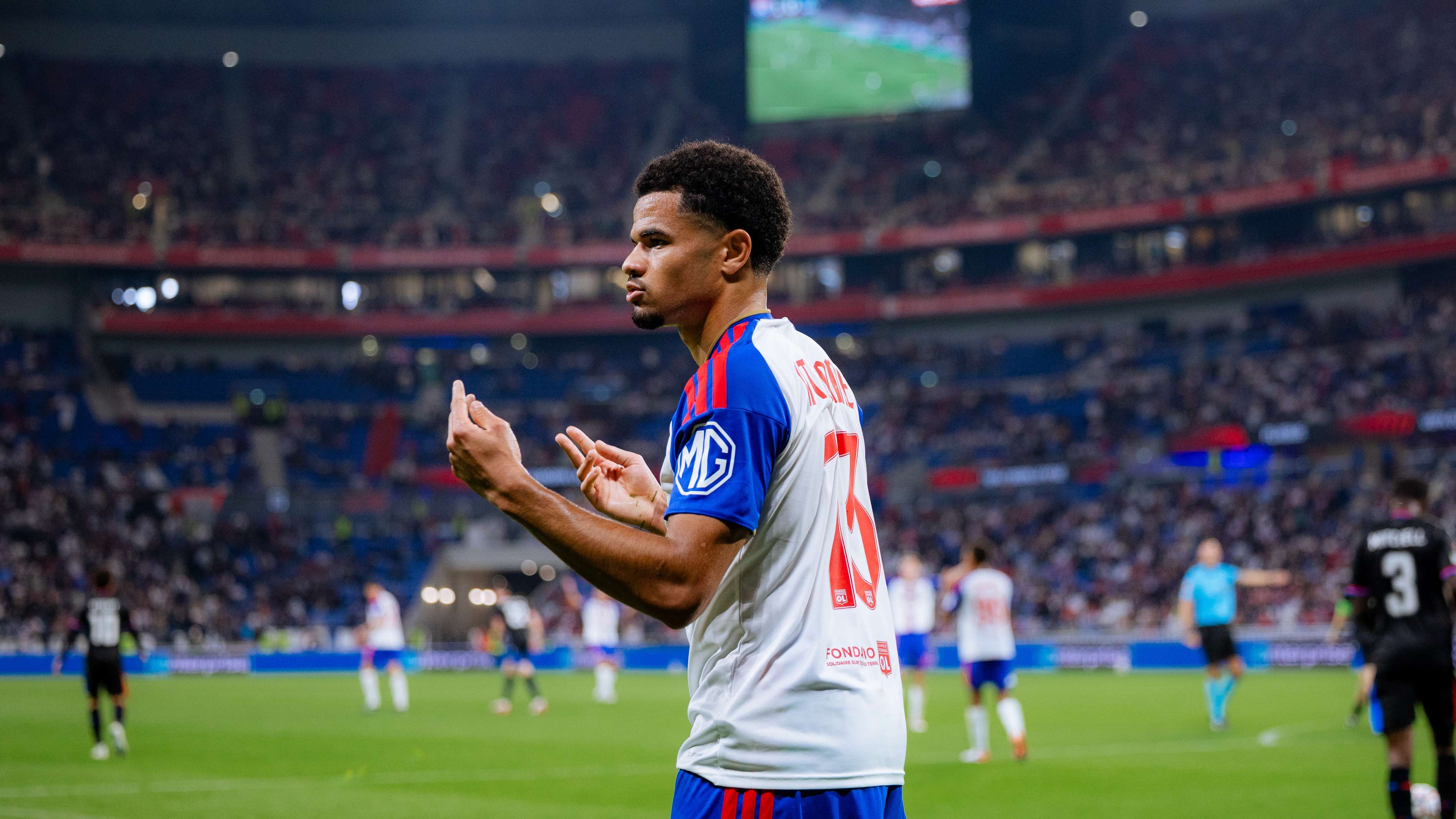
Leverkusen instead chose a different recruitment route. The club signed Afonso Moreira from Olympique Lyon for a reported €30 million and brought Moussa Diaby back from Saudi Arabia for approximately €25 million. Those moves added attacking options, but the contrast with Führich’s international call-up has contributed to the debate over whether Leverkusen’s transfer choices aligned with its longer-term aim of developing Germany internationals.
That does not mean the club’s summer business should be judged only by national-team selections. Recruitment decisions depend on factors including tactical fit, player availability, wages and the balance of the squad. Still, when a club has no current Germany call-up, supporters and decision-makers are likely to examine whether missed targets might have offered a quicker route to international recognition.
Brandt Return Was Discussed but Rejected
Leverkusen CEO Fernando Carro is also said to have supported the idea of bringing Julian Brandt back to the club. The proposal did not win over the majority of the decision-makers, however. Sporting director Simon Rolfes had already publicly played down the possibility in March, pointing to the emergence of young midfielder Ibo Maza.
“We have a superb player in that position in Ibo Maza, who will develop brilliantly over the next few years. So Julian will not be an option for us,” Rolfes said on Doppelpass on Sport1.
Brandt later joined Ajax Amsterdam on a free transfer after his Borussia Dortmund contract expired. He has made an impressive start, scoring eight goals in 14 competitive appearances. Despite that form, Klopp did not select him for the September squad. Brandt, now 30, has not played for Germany since the 1-1 draw with Hungary on 19 November, almost two years earlier.
His case underlines that a strong club start does not automatically lead to a national-team return. Klopp must weigh form against tactical needs, competition in each position and the direction he wants to take Germany’s squad. For Leverkusen, Brandt’s success elsewhere may nevertheless add another layer to the discussion about the club’s transfer strategy.
Can Eichhorn or Culbreath Change the Prediction?
Leverkusen’s most promising potential answers may be younger players rather than established names. Midfielder Kennet Eichhorn is viewed as a significant prospect, but his progress has been interrupted by a metabolic disorder. The highly rated defensive midfielder joined from Hertha BSC in the summer and is expected to return to full team training at the start of the year.
If Eichhorn can regain fitness and build on his reputation, he could eventually become a Germany candidate in a position where the national team will continue to assess its options. That remains a long-term prediction, however: he first needs consistent minutes and a sustained run of performances at club level.
Montrell Culbreath is another possible contender. The versatile 19-year-old made an unexpected breakthrough after the turn of the year last season and became a regular on the right wing during the second half of the campaign. He can also operate as a number 10 or right-back, giving him several possible routes into Klopp’s thinking.
Right-back could be especially important. The position has been a persistent problem for Germany, and competition behind SC Freiburg’s Philipp Treu remains open. Treu played the full 90 minutes in three of four Nations League matches and made a positive impression, but Culbreath’s versatility could give him a chance if he returns to form.
A serious foot injury suffered in a friendly against Sevilla in early August kept Culbreath out for around two months. He returned to team training in mid-October, an encouraging step, though he will need time to rebuild fitness and establish himself again.
Leverkusen’s Next Challenge
For now, Leverkusen’s lack of a Germany international is a talking point rather than a verdict on the club’s overall quality. The summer transfer window brought several near-misses, while the players who stayed or moved elsewhere have followed different paths under Klopp. The next test is whether Leverkusen’s current squad can turn potential into regular performances—and whether Eichhorn or Culbreath can make the prediction of a future Werkself international a reality.