
Wim Kieft Questions Ajax’s Decline as Feyenoord Set the Standard for Dutch Football
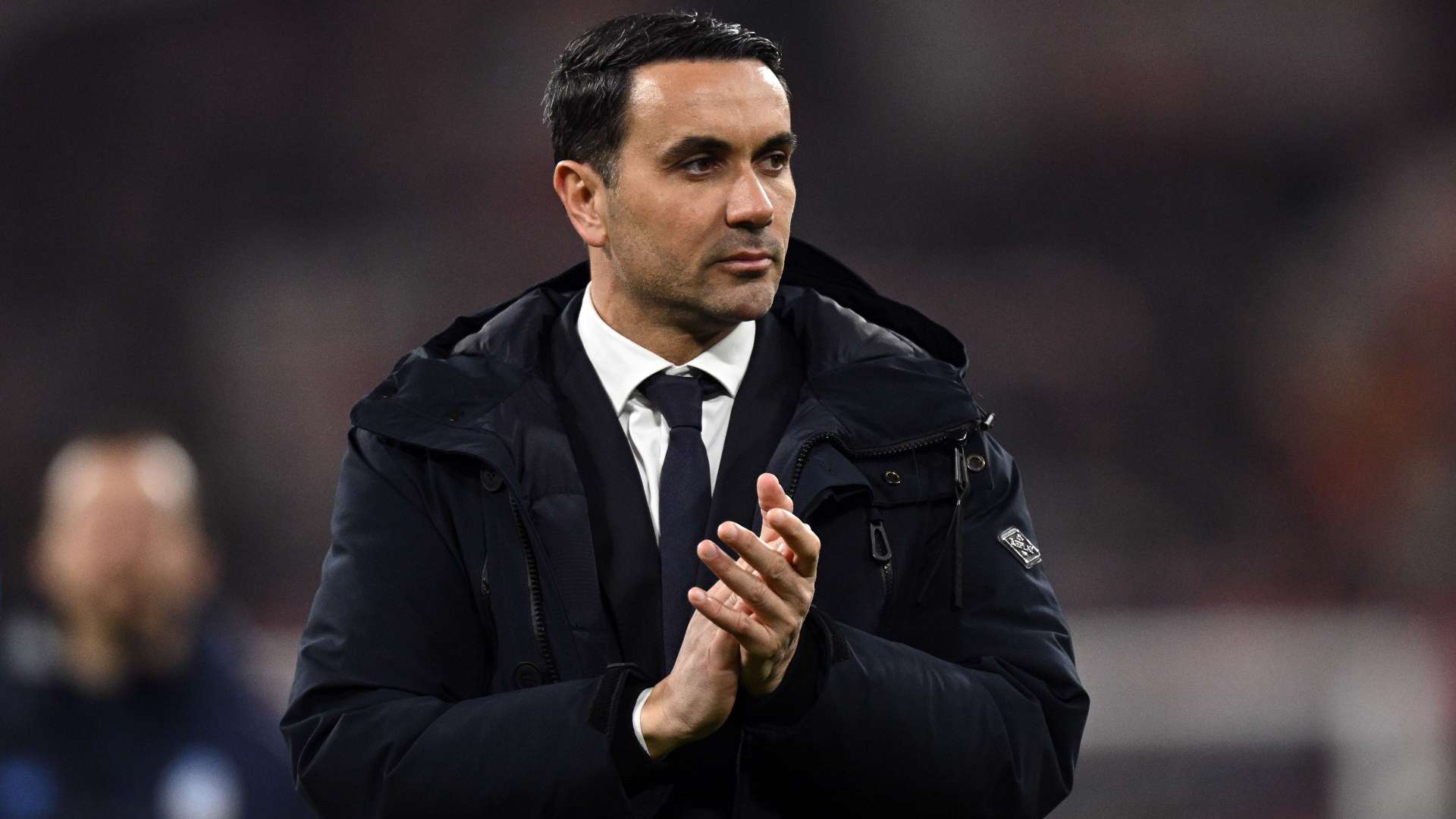
Former Netherlands striker Wim Kieft sees a striking divide in the Eredivisie: while Feyenoord are currently playing some of the country’s most entertaining football, Ajax have lost much of the promise that surrounded them at the start of the season. In his column for De Telegraaf, Kieft delivered a blunt assessment of Ajax’s recent performances under coach Míchel Sánchez, arguing that the team’s play has become slow, disjointed and short on attacking ideas.
The contrast is especially notable because Ajax began the campaign with renewed optimism. New arrivals brought fresh interest to Amsterdam, while encouraging results in the Conference League qualifying rounds gave supporters reason to believe the club was moving in the right direction. Kieft, too, had initially been impressed by the football. But as the season has progressed, that confidence has faded.
A performance that tested supporters’ patience
For Kieft, Ajax’s match against Hajduk Split represented a particularly disappointing low point. He felt Sánchez’s team fell well below the standard expected of a club with Ajax’s ambitions, struggling to combine effectively and failing to build attacks with speed or purpose. Rather than controlling the game through movement and sharp passing, the Amsterdam side appeared short of cohesion and attacking penetration.
The lack of meaningful chances was a major concern. Ajax took too long to create even a promising move, leaving the team’s attacking play looking predictable and frustrating to watch. Kieft joked that although the match began at 6:45 p.m., its slow pace could have made viewers feel as if they were watching much later in the evening. His criticism was not simply about the result: it was about the quality and tempo of the football itself.
That distinction matters for a club whose identity has long been associated with technical quality, initiative and attractive attacking play. Ajax supporters expect more than isolated moments of skill. They want a side capable of moving the ball quickly, stretching opponents and creating chances through collective understanding. Kieft’s comments suggest he sees those qualities missing from the current team.
Feyenoord provide a sharp comparison
Kieft’s praise for Feyenoord makes his criticism of Ajax even sharper. In his view, the Rotterdam club are presently playing the most appealing football in the Netherlands. That does not automatically settle the question of which team will finish highest in the league, but it highlights a difference in momentum and style: Feyenoord appear to be offering energy and attacking intent, while Ajax are still searching for a consistent rhythm.
For fans following the Eredivisie, the contrast also adds interest to the season’s broader conversation about title contenders, European qualification and coaching pressure. A strong run of results can quickly change the mood around a club, but performances often shape expectations just as powerfully. Ajax’s early optimism has given way to questions about whether the new signings and tactical approach can produce a more convincing brand of football.
Amrabat’s struggles prompt a reassessment of Henderson
Kieft’s evaluation of Ajax’s midfield has also changed his view of Jordan Henderson. The former Ajax captain faced heavy criticism during his time in Amsterdam, with doubts raised about his impact and suitability for the team. However, Kieft now believes Henderson’s contribution may have been undervalued, particularly when compared with Sofyan Amrabat’s recent displays.
According to Kieft, Amrabat has at times looked uncertain in midfield, appearing unable to impose himself on matches or provide the control Ajax need. That has led the pundit to reconsider Henderson’s performances. The English midfielder, Kieft argues, looks increasingly effective in retrospect, with his experience and ability to organise play seeming more important as Ajax struggle to find balance in the centre of the pitch.
He went further, describing Henderson as a “fantastic player” for Ajax when viewed with hindsight. Kieft also pointed to what the midfielder has shown since leaving Amsterdam, including his subsequent spells at Brentford and Chelsea. The comparison illustrates how quickly a player’s reputation can shift: a footballer criticised in one context may appear more valuable when a team loses the qualities he brought to the side.
Questions over Ajax’s summer signings
Kieft was similarly unconvinced by the way some of Ajax’s other new arrivals have been discussed. He believes Julian Brandt was praised too enthusiastically before he had fully demonstrated his value, while the excitement around striker Tolu Arokodare may also have exceeded what his performances justify.
Kieft acknowledged Arokodare’s physical strengths. The forward can challenge defenders in the air and use his size to create problems in the penalty area. But the former striker believes Arokodare is less convincing when asked to contribute with the ball at his feet. That limitation, in Kieft’s view, helps explain why Sánchez has often preferred Kasper Dolberg in attack. His point is that a striker’s value cannot be measured by physical presence alone: movement, link-up play and technical ability can be just as important to a team’s attacking structure.
For Ajax, the challenge is to turn individual qualities into a functioning unit. New signings need time to settle, and a disappointing performance does not define an entire season. Still, Kieft’s concerns point to issues that cannot be solved by reputation or recruitment alone. Ajax must find a quicker tempo, improve the connection between midfield and attack, and make better use of the players available.
What comes next for Ajax?
The next matches will offer an important test of whether Ajax can respond to the criticism. A more energetic display, even before results improve consistently, could help restore confidence among supporters. Conversely, further slow and disjointed performances would strengthen the view that the team’s early-season promise has not yet translated into a sustainable style.
Any prediction about Ajax’s prospects should therefore be treated with caution. The club has enough experience and talent to improve, but the current gap between expectation and performance is clear. Feyenoord’s attractive football has raised the standard in Kieft’s eyes, while Ajax must rediscover the pace, cohesion and attacking purpose that once made them compelling to watch. Until they do, questions about the squad, Sánchez’s choices and the value of individual signings are likely to remain part of the Dutch football conversation.