
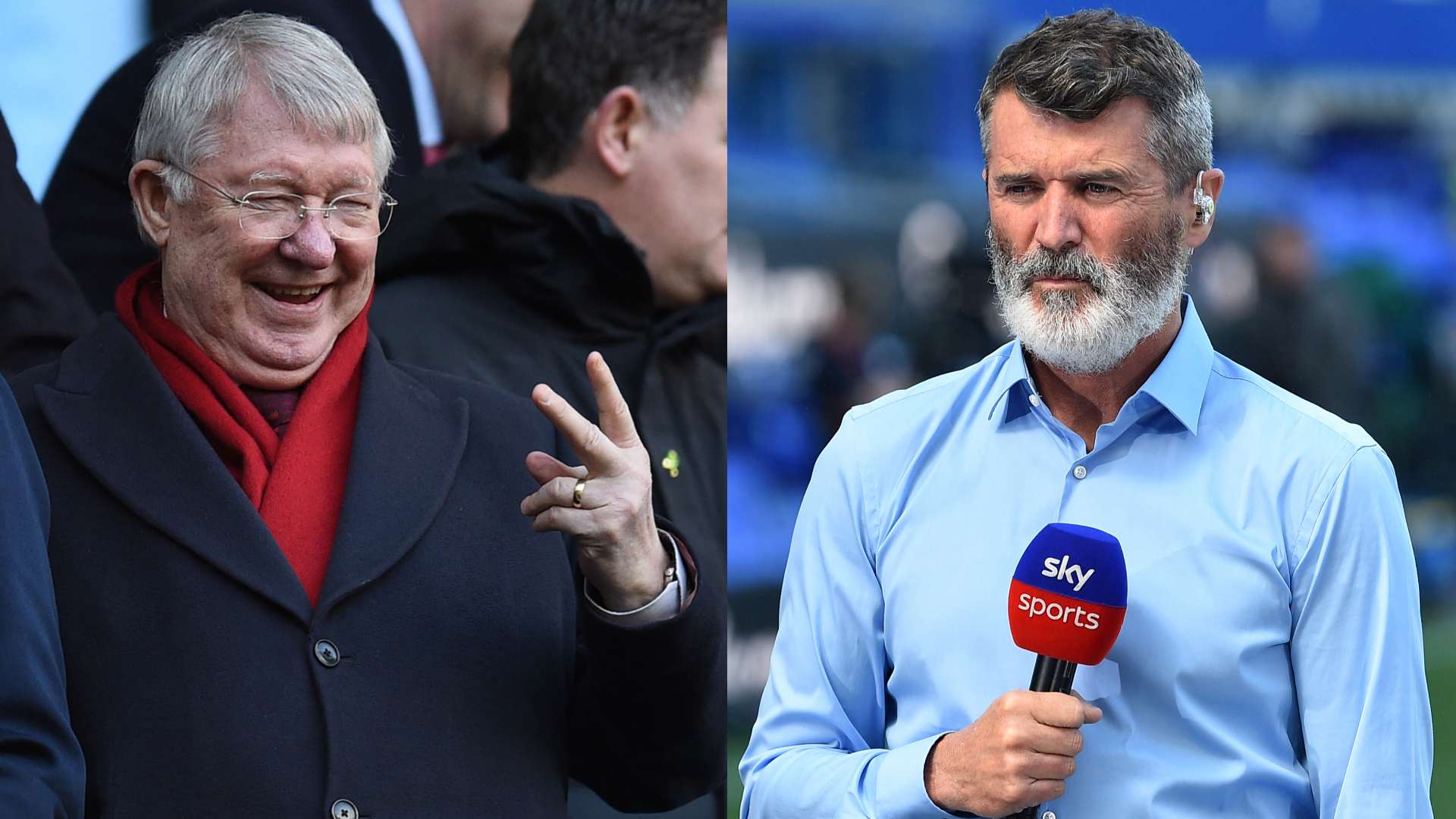

Roy Keane Accuses Sir Alex Ferguson of Lingering Presence at Manchester United
In a shocking turn of events, former Manchester United captain Roy Keane has publicly criticized legendary manager Sir Alex Ferguson for his continued presence at the club. Keane, known for his outspoken nature, did not hold back in accusing Ferguson of “hanging on like a bad smell” at Old Trafford.
After retiring from management in 2013, Ferguson has maintained close ties with Manchester United, often seen attending matches and offering advice to current staff. Despite his successful tenure that included 13 Premier League titles, Keane believes Ferguson’s lingering involvement may be hindering the club’s progress.
Ferguson’s Legacy
Sir Alex Ferguson’s legacy at Manchester United is undisputed, having led the team to numerous domestic and international titles during his 26-year reign. His influence on the club’s culture and playing style is still felt today, even after his retirement. However, Keane’s recent comments suggest that some former players are growing increasingly frustrated with Ferguson’s continued presence.
Keane’s Accusations
Roy Keane, who played under Ferguson for over a decade and captained Manchester United to multiple championships, has raised eyebrows with his bold accusations. In a recent interview, Keane expressed his belief that Ferguson’s lingering influence may be detrimental to the club’s current success.
Keane’s comments come at a time of transition for Manchester United, with interim manager Darren Fletcher taking the reins following the departure of Ruben Amorim. Keane’s remarks have sparked debate among fans and pundits alike, with many questioning the impact of Ferguson’s continued involvement in the club’s decision-making processes.
Reaction from Fans and Players
The reaction to Keane’s accusations has been mixed, with some fans agreeing that Ferguson’s presence may be inhibiting the club’s ability to move forward. Others, however, have defended Ferguson’s right to remain connected to the club he helped build into a powerhouse of English football.
Current players, including Darren Fletcher, have also weighed in on the debate, with Fletcher admitting that he sought advice from Ferguson before accepting the interim managerial role. While some players appreciate Ferguson’s guidance and support, others may share Keane’s concerns about the potential impact on the team’s performance.
The Future of Manchester United
As Manchester United navigates a period of transition and uncertainty, the question of Ferguson’s role in the club’s future remains a hot topic of discussion. While his legacy as one of the greatest managers in football history is secure, Keane’s accusations have brought attention to the potential challenges of balancing past success with present needs.
Ultimately, only time will tell how Ferguson’s continued presence at Manchester United will impact the team’s performance and success. As fans and pundits continue to debate the issue, one thing is certain: the drama surrounding Ferguson’s legacy at Old Trafford is far from over.
Manchester United’s Recent Form
One key aspect that could shed light on Roy Keane’s accusations against Sir Alex Ferguson’s lingering presence at Manchester United is the club’s recent form on the pitch. Despite a strong start to the season under interim manager Darren Fletcher, the team has struggled with inconsistency, particularly in their performances against top-tier opponents.
This inconsistency has raised questions about the team’s ability to compete at the highest level and has led some to speculate whether Ferguson’s presence, whether direct or indirect, is affecting the team’s performance. The pressure to live up to the standards set by Ferguson’s successful era may be weighing on the current squad, contributing to their struggles.
The Evolution of Football Management
Another angle to consider when examining Ferguson’s continued involvement at Manchester United is the evolution of football management in the modern game. As the sport becomes increasingly globalized and data-driven, the role of a manager extends beyond the touchline and into various aspects of the club’s operations.
While Ferguson’s experience and insights are undoubtedly valuable, there is a growing trend in football towards younger, more innovative coaches who embrace cutting-edge tactics and sports science. Keane’s criticism may reflect a broader shift towards a new generation of managers who prioritize agility and adaptability in an ever-changing football landscape.
The Impact of Ferguson’s Legacy
It is essential to recognize the profound impact Sir Alex Ferguson’s legacy has had on Manchester United and the wider footballing world. His success not only brought trophies and glory to the club but also instilled a winning mentality that has become synonymous with the Red Devils.
However, as the game evolves and new challenges emerge, there is a delicate balance between honoring the past and embracing the future. Ferguson’s continued presence at Manchester United may be a source of inspiration for some but a source of pressure for others, especially those tasked with carrying on his legacy and meeting the lofty expectations he set during his tenure.
The Role of Leadership and Succession Planning
One aspect that Keane’s accusations highlight is the importance of leadership and succession planning within football clubs. As legendary figures like Ferguson transition into advisory roles, there is a need for clear communication and delineation of responsibilities to ensure a smooth transition of power.
Manchester United’s handling of Ferguson’s legacy and influence could serve as a case study for other clubs navigating similar transitions in the future. Building a strong foundation of leadership and empowering new voices within the organization is crucial for maintaining success while adapting to changing circumstances.
Conclusion
In conclusion, Roy Keane’s accusations against Sir Alex Ferguson’s lingering presence at Manchester United have sparked a thought-provoking debate about the intersection of past glory and future aspirations in football. As the club grapples with internal challenges and external pressures, the role of iconic figures like Ferguson will continue to be scrutinized.
Ultimately, finding a balance between honoring tradition and embracing innovation will be key for Manchester United as they navigate a complex landscape of expectations and demands. While Ferguson’s influence remains a powerful force at the club, it is essential to consider how his legacy intersects with the team’s current trajectory and aspirations for the future.
By exploring these various perspectives and considerations, we gain a deeper understanding of the complexities surrounding Ferguson’s presence at Manchester United and the broader implications for the club’s continued success.