
Juventus Back Luciano Spalletti After Difficult Results, but Pressure Is Building
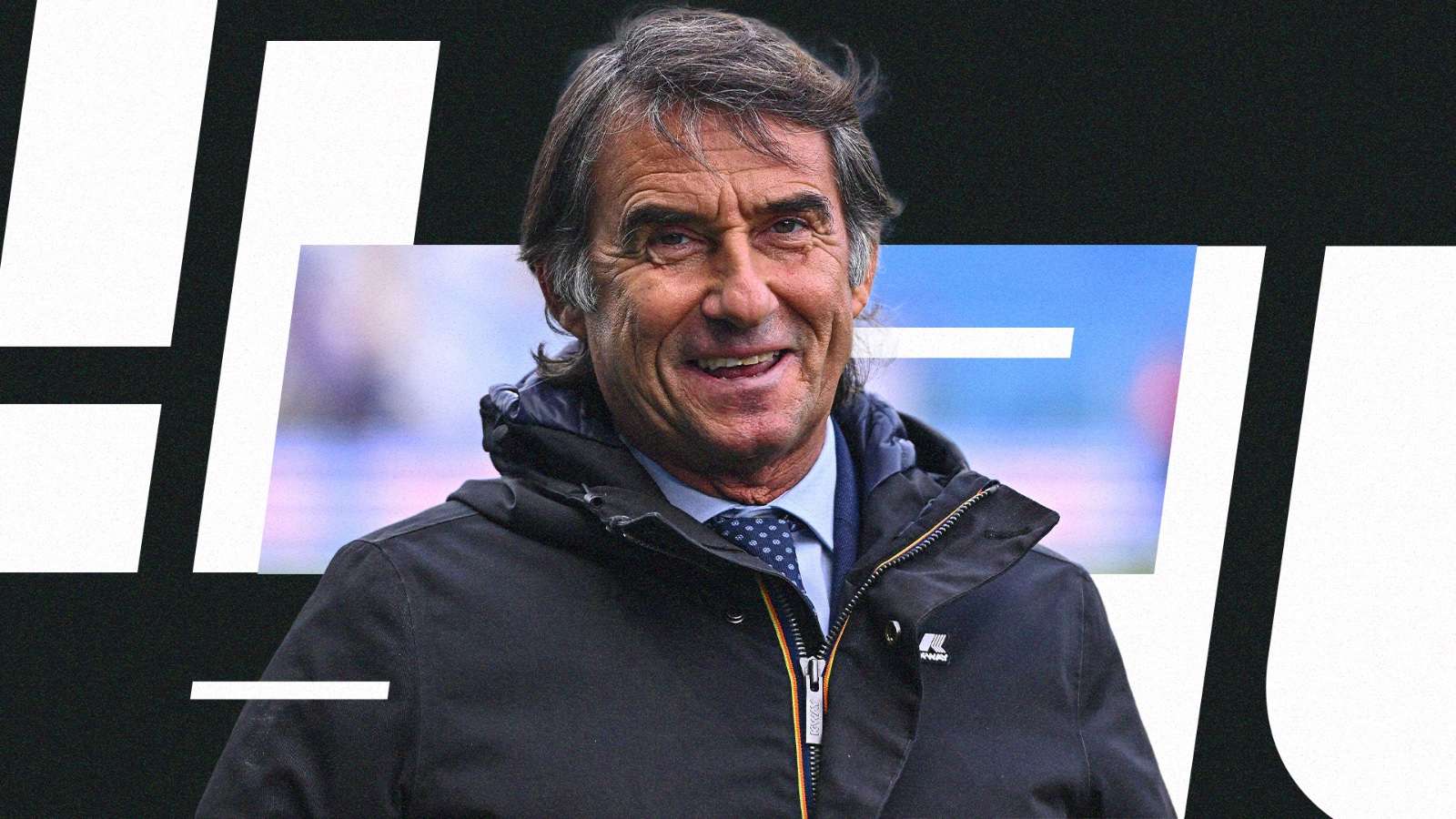
Juventus have publicly stood by Luciano Spalletti after a disappointing run of results, but the message from the club’s leadership carries both reassurance and a clear warning. Following a heavy league defeat to Lazio and a 2-2 Europa League draw with Rennes, chief executive Giovanni Carnevali said the manager’s position had not changed—while acknowledging that expectations at Juventus leave little room for prolonged underperformance.
“The manager is the same as ever. He knows he has work to do,” Carnevali said. “The manager’s seat is hot, but that comes with being at a club like Juventus, where if you play two matches poorly, people talk about changes. But we know what we need to do, and he is working on the problem areas.”
The comments amount to a public show of support, but not an unconditional guarantee. Juventus are signalling that they want to give Spalletti time to address the team’s weaknesses, while also making clear that results and performances will remain under close scrutiny. At a club where every setback can trigger intense debate, the distinction matters.
Continuity Remains Juventus’ Preferred Strategy
For months, the guiding principle at Continassa, Juventus’ training and administrative base, has been continuity. That approach reflects the view of owner John Elkann, who has been frustrated by repeated changes in recent years, both in the club’s executive structure and in the dugout. Juventus now appear determined to avoid another cycle of short-term decisions and abrupt resets.
Carnevali and Massara were brought in with the aim of helping establish a more stable direction for the club. The same thinking is behind Spalletti’s two-year contract renewal, which Elkann reportedly wanted even before Carnevali arrived. In that context, the club’s current backing of the coach is not simply a response to two disappointing matches. It is part of a broader plan to create a more consistent sporting project.
That does not mean Spalletti is immune from pressure. Juventus have traditionally measured coaches against the club’s demanding standards, and a poor run can quickly become a major story. But the leadership appears to believe that frequent managerial changes have not provided the lasting answers the team needs. Stability, in this view, must be given a genuine opportunity to work.
What the Lazio Defeat and Rennes Draw Revealed
The latest results have raised concerns about Juventus’ ability to maintain control and respond effectively when matches become difficult. The defeat to Lazio was a particularly damaging setback in league play, while the draw with Rennes left questions about the team’s consistency in Europe. Taken together, the performances have intensified discussion about the squad’s defensive organisation, decision-making and ability to manage pressure.
Carnevali’s reference to “problem areas” suggests that the club is not dismissing those concerns. Rather than framing the results as isolated misfortune, Juventus appear to expect Spalletti and his staff to identify what is going wrong and make practical adjustments. That could involve improving the defensive shape, sharpening transitions between defence and attack, or finding greater reliability from players asked to perform in demanding roles.
For supporters, the immediate issue is whether those changes can be seen on the pitch. A coach can retain the confidence of the board, but that support is easier to sustain when performances show progress. Juventus will need to demonstrate that they can recover their intensity, reduce costly mistakes and turn promising spells into more consistent results.
Transfer Questions May Become Part of the Conversation
As the team works through its current difficulties, attention may also turn to the transfer market. Juventus’ results could influence how the club assesses its squad needs, particularly if weaknesses become more evident over the coming weeks. However, the club’s emphasis on continuity suggests that a major overhaul is not necessarily the preferred solution. The first priority appears to be improving the players already available to Spalletti.
Any future recruitment would likely be considered within the club’s wider sporting plan rather than as a quick response to a bad result. Juventus will need to balance immediate demands with longer-term squad building, including decisions about which positions require reinforcement and which players can develop into dependable contributors. A transfer strategy aligned with the coach’s tactical needs could help, but recruitment alone cannot replace consistency on the field.
The coming performances will therefore matter not only for Spalletti but also for Juventus’ assessment of the squad. If the team improves, the club may feel its current structure is capable of delivering progress. If the same problems persist, questions about personnel, tactics and future transfer priorities are likely to grow louder.
Juventus Prediction: Support for Now, Scrutiny Going Forward
The most reasonable prediction is that Spalletti will be given the chance to respond rather than face an immediate change. Carnevali’s comments align with the club’s stated preference for stability, and the renewal of the manager’s contract reinforces the idea that Juventus want to build around him. At the same time, the phrase “the manager’s seat is hot” makes clear that patience has limits.
For Spalletti, the challenge is to convert the club’s backing into visible improvement. Juventus need a stronger response after setbacks, greater defensive security and more convincing performances across both domestic and European competition. A few positive results could ease the pressure and strengthen the case for continuity. Further poor displays, by contrast, would intensify scrutiny even if the board remains reluctant to make a sudden change.
Juventus’ current position is therefore one of cautious support. The club is not signalling an imminent managerial departure, but it is demanding progress. Spalletti has the opportunity to steady the team and reinforce the long-term project; the next phase of the season will show whether continuity can deliver the results Juventus expect.