
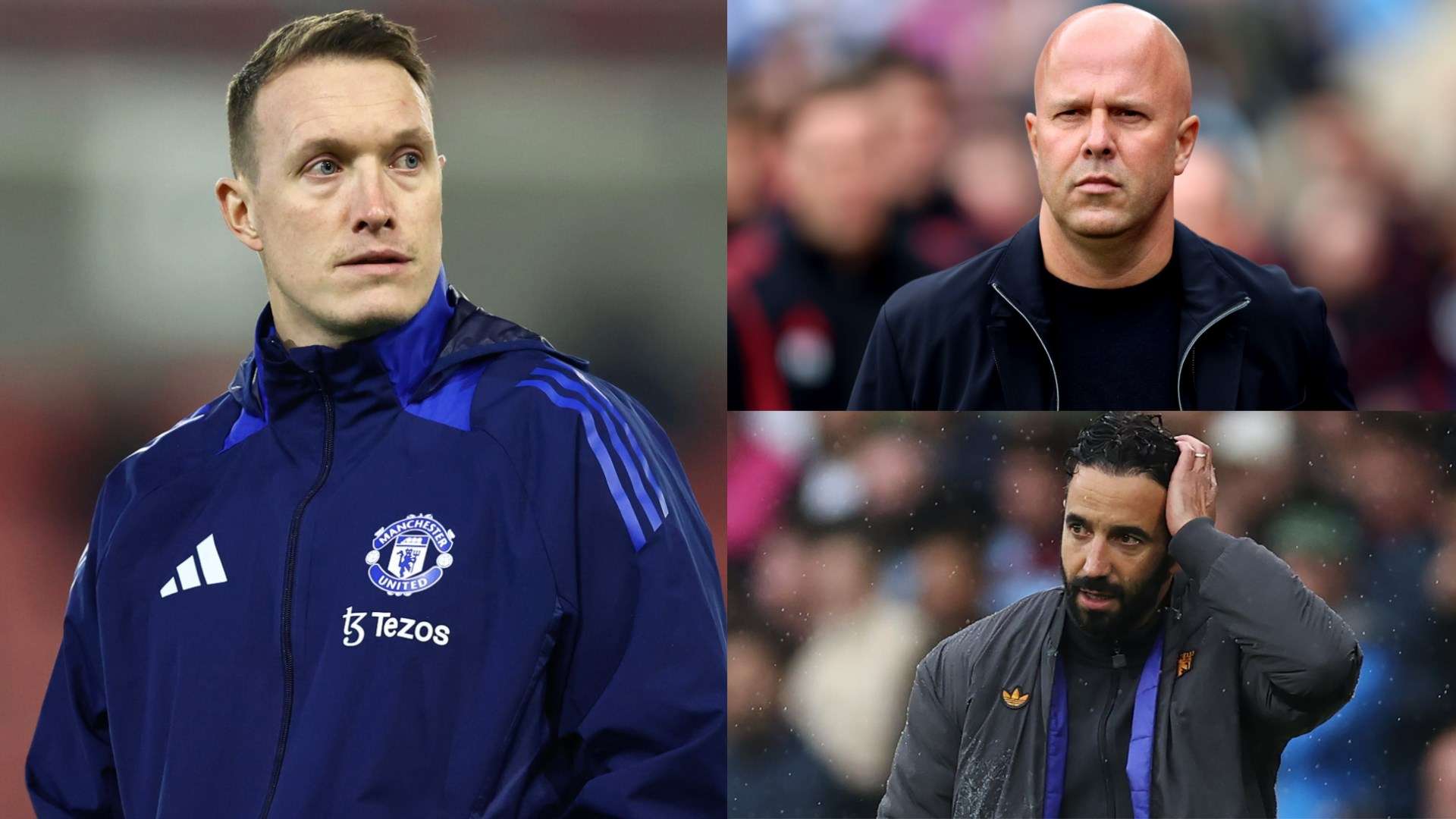

Manchester United legend Phil Jones has stirred up controversy by ranking sacked manager Ole Gunnar Solskjaer above top-tier coaches like Liverpool’s Arne Slot, Tottenham’s Thomas Frank, and current Red Devils head coach Ruben Amorim. Despite Solskjaer’s lack of silverware during his time at Old Trafford, Jones believes he outshines his counterparts in the managerial world.
Phil Jones Rates Ole Gunnar Solskjaer Above Top Football Managers
Phil Jones, a former defensive stalwart for Manchester United, has caused quite a stir in the football world with his recent rankings of top football managers. In a surprising move, Jones placed Ole Gunnar Solskjaer above esteemed coaches such as Arne Slot, Thomas Frank, and Ruben Amorim, despite the Norwegian’s failure to secure any major trophies during his tenure as Manchester United boss.
A Controversial Ranking
Jones, who made 229 appearances for Manchester United during his playing career, recently shared his unorthodox opinion on the managerial prowess of Solskjaer. While many critics point to Solskjaer’s lack of silverware as a mark against his managerial abilities, Jones sees something special in the former United striker’s approach to the game.
Some fans and pundits have raised eyebrows at Jones’ ranking, particularly given the success of managers like Arne Slot, who has led Liverpool to multiple titles in recent years. However, Jones stands by his assessment, citing Solskjaer’s tactical acumen and ability to inspire his players as key factors in his decision.
Insight from a United Legend
As a former Manchester United player who experienced Solskjaer’s leadership firsthand, Jones offers a unique perspective on the manager’s impact on the team. While Solskjaer may not have delivered the silverware that many expected during his time at Old Trafford, Jones believes that his influence on the squad goes beyond trophies.
Jones’ comments have sparked debate among football fans and experts, with many questioning the validity of his rankings. However, his insights into Solskjaer’s managerial style shed light on the intangible qualities that can make a coach truly exceptional in the eyes of his players.
The Legacy of Ole Gunnar Solskjaer
Despite his controversial ranking, Phil Jones’ comments highlight the lasting impact that Ole Gunnar Solskjaer has had on Manchester United and the players who have worked under him. While trophies are often seen as the ultimate measure of success in football, Jones’ perspective serves as a reminder that a manager’s influence can extend far beyond the confines of a trophy cabinet.
As the debate continues to rage on over the merits of Solskjaer’s managerial tenure at Manchester United, one thing is clear: his legacy will endure in the hearts and minds of those who have witnessed his leadership up close.
In conclusion, Phil Jones’ surprising ranking of Ole Gunnar Solskjaer above top football managers like Arne Slot, Thomas Frank, and Ruben Amorim has sparked debate and discussion within the football world. While some may question his assessment, Jones’ insights offer a unique perspective on the qualities that make a manager truly exceptional in the eyes of his players. As the football community continues to dissect and analyze Jones’ comments, one thing remains certain: the legacy of Ole Gunnar Solskjaer will continue to be a topic of discussion for years to come.
Phil Jones’ Contrarian Perspective
Phil Jones’ unconventional ranking of Ole Gunnar Solskjaer above highly successful managers like Arne Slot and Thomas Frank showcases his unique perspective on what makes a top-tier coach. While many may focus solely on Solskjaer’s lack of major trophies, Jones delves deeper into the intangible qualities that he believes set the Norwegian apart from his counterparts.
As a former player who has worked closely with Solskjaer, Jones likely has insights into the manager’s behind-the-scenes impact that fans and pundits may not fully appreciate. His firsthand experience provides a glimpse into the leadership style and motivational tactics that have endeared Solskjaer to his players, despite the absence of silverware.
The Value of Leadership Beyond Trophies
While championships and titles are often seen as the ultimate measure of success in football, Jones’ endorsement of Solskjaer highlights the importance of qualities that go beyond mere statistics. The ability to inspire, motivate, and create a positive team culture can have a profound impact on players and their performance, even in the absence of trophies.
By recognizing Solskjaer’s influence on the Manchester United squad beyond wins and losses, Jones brings attention to the less quantifiable aspects of coaching that can make a lasting impression on players and their development both on and off the pitch.
A Manager’s Legacy
As the footballing world debates the merits of Jones’ rankings, it is important to consider the lasting legacy that managers like Ole Gunnar Solskjaer leave behind. While trophies may fade from memory over time, the impact of a coach on their players’ careers and personal growth can endure long after their tenure at a club has ended.
Jones’ perspective serves as a reminder that success in football is not solely defined by silverware, but also by the relationships built, the lessons learned, and the inspiration provided by a manager to their team. Solskjaer’s legacy at Manchester United may not be measured in trophies alone, but in the intangible qualities that have shaped the players under his guidance.
Looking Ahead
As the football world continues to analyze and debate Phil Jones’ controversial rankings, one thing is clear: the discussion around what makes a great manager goes far beyond wins and losses. By recognizing the impact of leadership, motivation, and inspiration on player performance, Jones highlights the multifaceted nature of coaching in the modern game.
Whether one agrees with Jones’ assessment or not, his insights offer a fresh perspective on the qualities that truly define a top football manager. As the sport evolves and new coaching talents emerge, the conversation sparked by Jones’ comments serves as a reminder of the complexity and nuance inherent in evaluating managerial success in football.
By delving into the nuances of coaching beyond the traditional metrics of success, Phil Jones’ rankings challenge the footballing world to reconsider what truly makes a manager great. As the conversation continues, the legacy of managers like Ole Gunnar Solskjaer will be remembered not just for their trophies, but for the lasting impact they have on the players and clubs they lead.