
Dominic Solanke Praises Tottenham’s Fightback After Dramatic Manchester United Draw
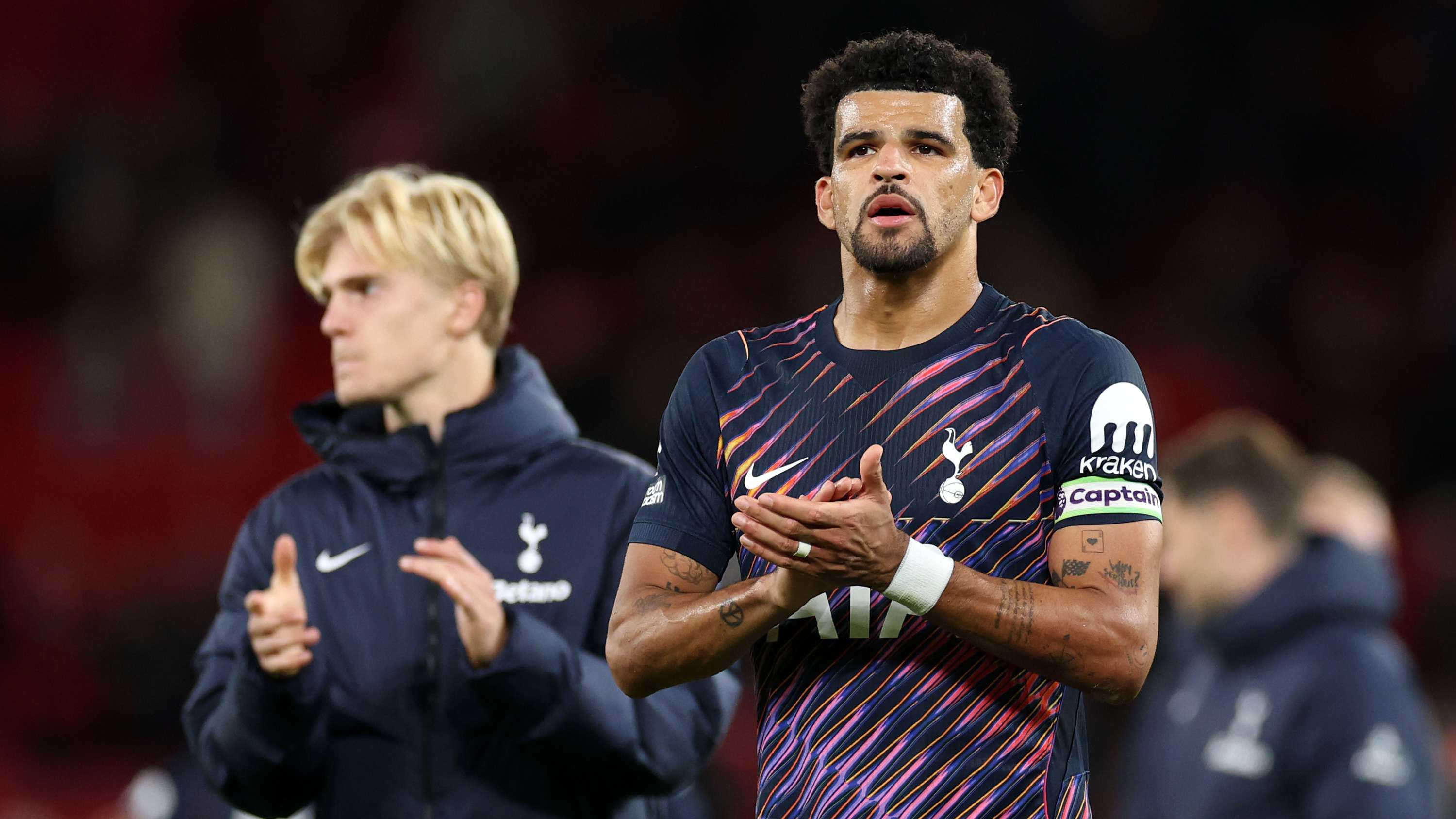
Dominic Solanke has praised Tottenham Hotspur’s resilience after his side battled back to claim a dramatic late point against Manchester United at Old Trafford. Spurs faced a difficult finish after being reduced to 10 players, but they continued to press and found an equaliser in stoppage time to turn a bruising away fixture into a hard-earned result.
The closing stages tested Tottenham’s composure and organisation. With one fewer player on the pitch, the visitors had to cover more ground, defend carefully and choose their attacking moments wisely. Rather than retreating completely, however, Spurs kept looking for a route back into the contest. Their persistence paid off when they finally found a way past United’s defence deep into added time.
Solanke highlights Tottenham’s character
For Solanke, the late goal was more than a reward for continued effort. It reflected the attitude his teammates showed when the match appeared to be slipping away. The striker was impressed by the group’s refusal to accept defeat, particularly after the dismissal left Tottenham with a numerical disadvantage during the most demanding part of the game.
That kind of response can matter throughout a long football season. A team’s ability to stay focused after a setback is often as important as its technical quality, especially in high-pressure matches away from home. Tottenham had to manage the emotional swing of conceding ground, losing a player and still needing to create an opportunity. Their late breakthrough showed that they remained connected to the task.
Solanke’s praise also points to the importance of collective responsibility. When a side goes down to 10, the burden is shared: midfielders must work harder to close spaces, defenders need to communicate constantly, and forwards may have to help protect possession rather than focus only on scoring. Tottenham’s response suggested that the players understood those demands and were willing to adapt.
A demanding test at Old Trafford
Old Trafford is a challenging setting for any visiting team, and the pressure rises when the match is finely balanced. Manchester United had the advantage of playing at home and were able to test Spurs as the clock ran down. Tottenham, meanwhile, had to manage both the opposition’s threat and the physical cost of playing short-handed.
In those circumstances, survival alone can become the priority. Yet Spurs did not simply defend their penalty area and wait for the final whistle. They continued to search for openings, showing enough ambition to keep United alert. That approach carries risk, but it can also prevent an opponent from committing every player forward without concern.
The stoppage-time equaliser was therefore the product of more than one moment. It followed a period in which Tottenham maintained belief, stayed involved in the contest and kept looking for a chance to change the outcome. Late goals can be difficult to plan, but teams can create the conditions for them by remaining organised and alert until the final whistle.
Why the late point could matter
A draw does not deliver the same reward as a victory, but the circumstances make this one valuable for Tottenham. Earning a point after playing the closing stages with 10 men can strengthen confidence and reinforce the idea that the squad can respond when a match turns against them. It also avoids the psychological blow of losing a contest in which the team fought until the end.
For Solanke, the moment may be especially significant as he continues to establish himself in Tottenham’s attack. A forward’s contribution is not measured only by goals. Pressing, linking play and helping the team maintain its shape can all prove important, particularly when a side is trying to stay competitive with fewer players. His comments underline how much he values the collective effort behind the result.
The draw may also have implications for Tottenham’s wider campaign. Points gained in difficult away fixtures can become important when the season’s final standings are decided. While it is too early to draw firm conclusions from a single result, Spurs will hope the determination shown at Old Trafford becomes a regular feature of their performances.
What Tottenham can take into their next match
There are clear positives for the coaching staff to review. The team demonstrated mental strength, stayed in the game under pressure and produced a late response. Those qualities can help Tottenham in future matches when they face setbacks, whether through a goal conceded, an injury or another difficult spell.
At the same time, the match offers lessons in discipline and game management. Playing with 10 men increases the importance of compact defending, controlled possession and smart decision-making. Spurs will need to examine how they reached that position and how they can limit the disruption a dismissal causes. Resilience is a valuable asset, but avoiding unnecessary problems remains essential.
For Manchester United, the late equaliser will be frustrating, particularly after having the advantage of an extra player during the closing stages. The result is a reminder that a match is not secure until the referee ends it. Against determined opponents, even a small loss of concentration can give them the opening they need.
Football prediction: confidence, not certainty
Looking ahead, Tottenham’s response offers an encouraging sign, but it should not be treated as a guarantee of future results. A sensible football prediction depends on several factors, including team selection, fitness, tactical matchups and the quality of the opposition. The Old Trafford draw suggests Spurs have the character to compete through adversity, while their next performances will show whether they can pair that spirit with consistent control.
Supporters will be watching to see whether Solanke and his teammates can carry the same urgency into their upcoming fixtures. If Tottenham maintain their work rate, improve their discipline and convert promising spells into chances, they can build on the momentum of this late point. The result may not settle any major questions about the season, but it has given the squad a powerful reminder: even when circumstances turn against them, their fight can keep a match alive.
Solanke’s message is ultimately a simple one. Tottenham did not give in, and their refusal to fold earned them a memorable share of the points. In a sport often decided by narrow margins, that resilience could prove just as important as any individual goal.