

The BCCI Introduces Changes to IPL Playing Conditions
The Board of Control for Cricket in India (BCCI) has recently announced revisions to the playing conditions for the upcoming season of the Indian Premier League (IPL). The most significant change pertains to over-rate offences and the consequences for captains.
Penalties for Over-Rate Offences
Traditionally, captains faced the possibility of match bans for slow over-rate offences. However, the BCCI has now decided to implement a system of demerit points instead. Under this new system, captains will accrue demerit points based on the severity of the offence, with bans being enforced only in extreme cases.
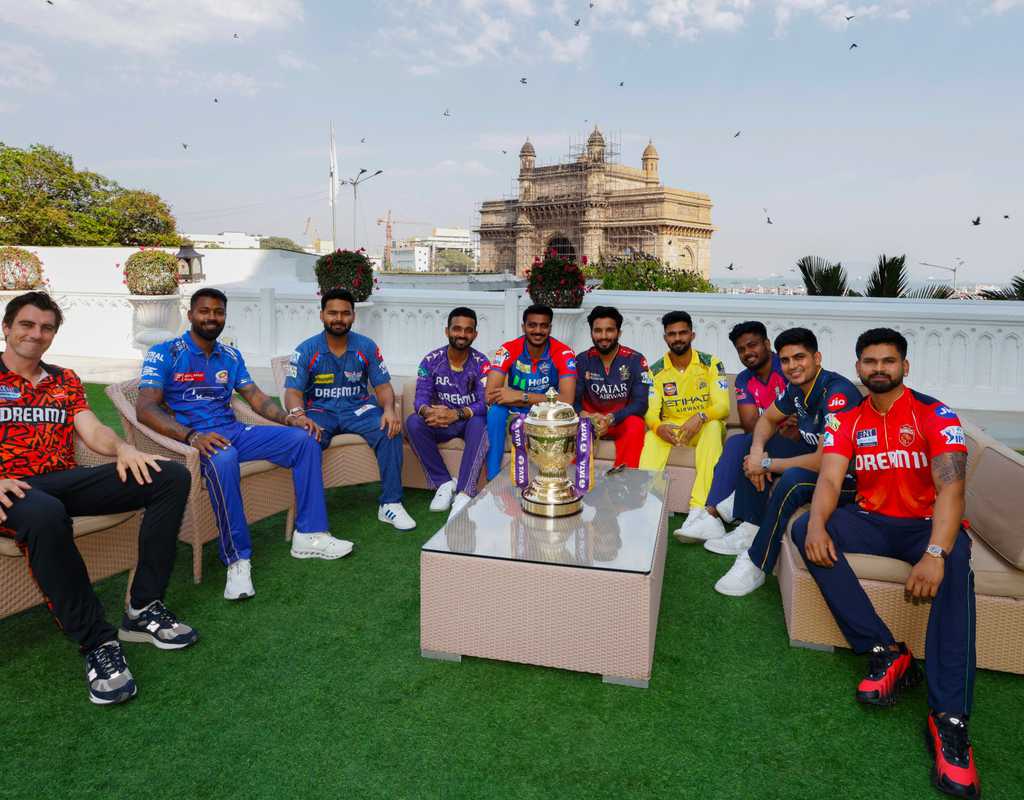
At a captains and managers meeting held at the BCCI office in Mumbai, it was announced that there would be no match bans for slow over-rate offences. Instead, captains will receive demerit points that will carry over for a period of three years. The Level 1 offence will result in a penalty of 25 to 75 percent of the match fees, along with demerit points that will be calculated over the next three years.
“For every 4 demerit points accumulated, the match referee can impose a penalty, either in the form of a 100 percent fine or additional demerit points. These demerit points could potentially lead to a match ban in the future,” a source familiar with the matter explained.
Changes to Impact Player Rule and DRS
In addition to the revisions regarding over-rate offences, the BCCI has also addressed the Impact Player Rule and the Decision Review System (DRS) clause in the playing conditions. The Impact Player Rule, which allows teams to substitute one player during a match, will be reviewed after the 2027 edition of the IPL.
Regarding the DRS clause, the BCCI has specified that referrals will be applicable for height wides and wides outside the off-stump. While the 2024 IPL playing conditions allowed players to review decisions concerning wide or no ball, the specifics for the 2025 season are still pending.
Other Changes in IPL Playing Conditions
These updates come in the wake of other modifications, such as the revocation of the saliva ban and the introduction of a provision for a second ball in the second innings to counter dew. These changes aim to enhance the overall playing conditions and ensure fair competition throughout the IPL.
It is worth noting that the alterations in playing conditions reflect the BCCI’s commitment to maintaining the integrity and competitiveness of the IPL. With these updates in place, captains and players will need to adhere to the new rules and regulations to avoid penalties and potential bans in the upcoming season.
Impact of Changes on Team Strategy
With the BCCI’s recent changes to the IPL playing conditions, teams will need to adjust their strategies accordingly. The shift from match bans to demerit points for over-rate offences could impact the decision-making process for captains during matches. Captains will now have to be more vigilant about managing the pace of the game to avoid accumulating demerit points that could lead to penalties in the future.
Additionally, the revision to the Impact Player Rule may prompt teams to rethink their substitution tactics. Knowing that the rule will be reviewed after the 2027 season could influence teams to make strategic substitutions to capitalize on the flexibility it offers before any potential changes are implemented.
Technological Advances and Fair Play
The inclusion of specific referral guidelines for wides and no balls in the DRS clause underscores the BCCI’s commitment to leveraging technology for fair play. By refining the use of technology in decision-making processes, the BCCI aims to uphold the integrity of the game and minimize errors that could impact match outcomes.
Moreover, the provision for a second ball in the second innings to counter dew showcases the BCCI’s proactive approach to addressing environmental factors that can affect gameplay. By introducing measures to mitigate the impact of external conditions on the match, the BCCI demonstrates its dedication to ensuring a level playing field for all teams.
Evolution of Playing Conditions in Professional Cricket
The recent changes to the IPL playing conditions reflect a broader trend in professional cricket towards refining rules and regulations to adapt to the evolving landscape of the sport. As cricket continues to evolve, governing bodies like the BCCI are constantly seeking ways to enhance the game’s competitiveness, fairness, and entertainment value.
By implementing updates to playing conditions based on feedback from stakeholders and observations from previous seasons, the BCCI demonstrates its responsiveness to the needs of players, captains, and fans. These changes not only impact the IPL but also set a precedent for future adjustments in other cricket leagues and tournaments worldwide.
Looking Ahead to an Exciting Season
As teams gear up for the upcoming IPL season, the revised playing conditions set the stage for an exciting and dynamic competition. With new rules in place and a renewed focus on fair play and strategic gameplay, fans can expect to witness thrilling matches that showcase the best of cricket talent.
The changes introduced by the BCCI not only serve to regulate the conduct of players and teams but also contribute to the overall spectacle of the IPL. As the countdown to the next season begins, anticipation builds for how these adjustments will influence the outcomes of matches and shape the narrative of the tournament.
By highlighting the implications of the revised playing conditions on team strategy, technological advancements, the evolution of cricket rules, and the anticipation for the upcoming season, the expanded content enriches the reader’s understanding of the article and provides valuable insights into the changing landscape of the IPL.
