
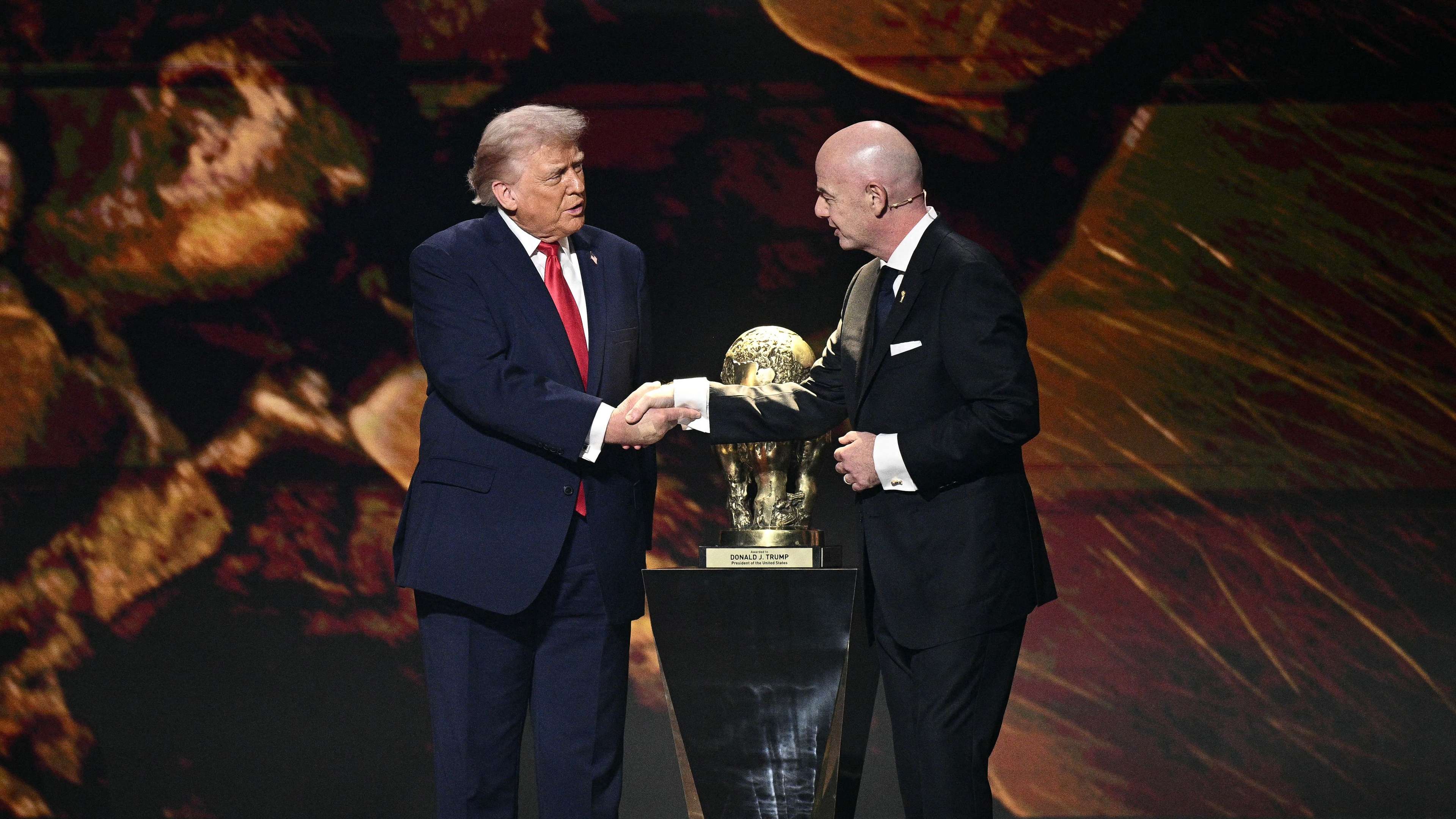

FIFA Faces Allegations of Political Neutrality Breach During World Cup Draw
A recent controversy has emerged in the world of football as FairSquare, a non-profit advocacy organization, has submitted a formal complaint to FIFA regarding alleged issues of political neutrality during last week’s World Cup draw. The complaint, an eight-page letter addressed to FIFA’s Ethics Committee, outlines multiple infractions by FIFA President Gianni Infantino during the event.
Alleged Infringements
According to the complaint, there were four main alleged infringements by Gianni Infantino at the World Cup draw. The most significant of these was the presentation of the FIFA Peace Prize. FairSquare claims that Infantino’s handling of this presentation breached FIFA’s policies on political neutrality.
FairSquare argues that the FIFA Peace Prize, awarded to former Liberian President Ellen Johnson Sirleaf, was used by Infantino as a means to promote a political agenda rather than solely recognizing achievements in football. This, they claim, goes against the principles of neutrality that FIFA is meant to uphold.
Response from FIFA
As of now, FIFA has not publicly responded to the allegations made by FairSquare. However, the organization is expected to address the complaint and conduct an internal investigation to determine whether any breaches of their regulations occurred during the World Cup draw.
Infantino, who has been FIFA’s President since 2016, has not yet commented on the accusations. It remains to be seen how FIFA will handle the situation and what actions, if any, will be taken in response to the complaint.
Implications for FIFA
These allegations come at a crucial time for FIFA, as they prepare for the upcoming World Cup in Qatar. With the eyes of the footballing world on them, the organization will need to address these accusations swiftly and transparently to maintain their credibility and reputation.
The issue of political neutrality in football is a sensitive one, with FIFA under constant scrutiny for any perceived biases or breaches of their regulations. The outcome of this complaint could have far-reaching implications for the organization and how it is perceived by fans, players, and stakeholders around the world.
Conclusion
As the investigation into the allegations of political neutrality breaches during the World Cup draw unfolds, all eyes will be on FIFA and how they handle the situation. The outcome of this complaint could have a lasting impact on the organization and its leadership, shaping the future of football governance for years to come.
Keywords: football, prediction, FIFA, World Cup, political neutrality
Impact on FairSquare’s Advocacy Efforts
For FairSquare, the formal complaint submitted to FIFA represents a significant milestone in their ongoing efforts to hold football’s governing body accountable. The organization, known for its dedication to promoting transparency and fairness in the world of sports, has been vocal in its criticism of FIFA’s practices in the past. By taking action against alleged breaches of political neutrality, FairSquare is continuing to advocate for greater ethical standards within the sport.
Should FIFA respond to the complaint and address the issues raised by FairSquare, it could mark a turning point in the organization’s willingness to engage with external critics and uphold its own regulations. This could set a precedent for future advocacy efforts aimed at promoting integrity and fairness in football governance.
Challenges of Maintaining Political Neutrality in Football
The controversy surrounding the FIFA Peace Prize highlights the challenges that football organizations face in maintaining political neutrality. In an increasingly interconnected world, where sports and politics often intersect, navigating these complex dynamics can be a delicate balancing act.
While FIFA’s statutes explicitly prohibit political interference in football matters, the reality is often more nuanced. The presentation of awards, such as the FIFA Peace Prize, can inadvertently blur the lines between sports and politics, leading to accusations of bias or favoritism. As such, organizations like FIFA must remain vigilant in upholding their principles of neutrality, even in the face of external pressures or expectations.
Global Reactions to the Allegations
The allegations of political neutrality breaches during the World Cup draw have sparked discussions and debates among fans, media, and stakeholders worldwide. The incident has once again put FIFA under the spotlight, with many questioning the organization’s commitment to fair play and ethical standards.
While some have expressed skepticism about the motivations behind the complaint, others see it as a necessary step towards ensuring accountability and transparency in football governance. The outcome of the investigation will undoubtedly shape perceptions of FIFA’s integrity and credibility, influencing the level of trust that fans and players place in the organization moving forward.
Looking Ahead to the World Cup in Qatar
As FIFA navigates the fallout from the allegations of political neutrality breaches, all eyes are on the upcoming World Cup in Qatar. The tournament, scheduled to take place in 2022, will be a crucial test of FIFA’s ability to maintain its reputation and credibility on the global stage.
With the world watching, FIFA must demonstrate its commitment to fair play, transparency, and ethical conduct throughout the planning and execution of the tournament. The lessons learned from the current controversy will likely inform the organization’s approach to governance and decision-making in the lead-up to the World Cup, shaping the narrative around one of the most anticipated events in international football.
In conclusion, the allegations of political neutrality breaches during the World Cup draw have cast a shadow over FIFA’s reputation and raised important questions about the organization’s ethical standards. As the investigation unfolds and FIFA responds to the complaint, the footballing world will be watching closely to see how these issues are addressed and what implications they may have for the future of the sport.