

India’s Fast-Bowling Conundrum: A Closer Look at the Current State of Affairs
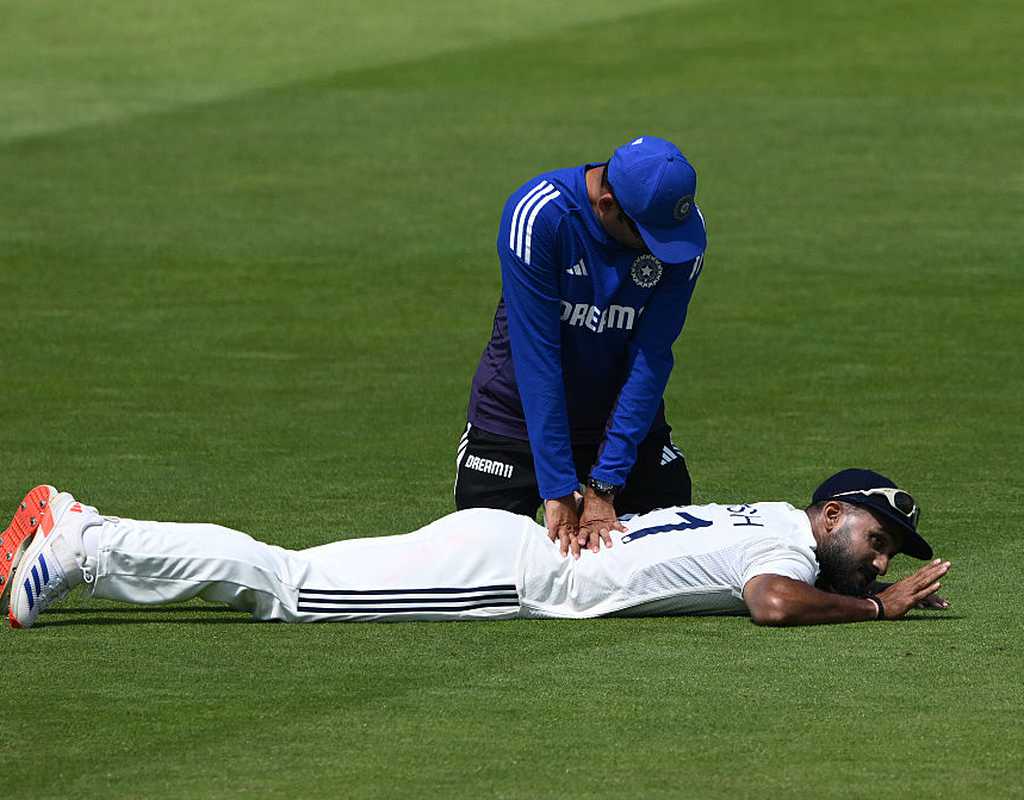
When Anshul Kamboj received the call to join India’s Test squad ahead of the Manchester Test, it was not just a reward for his red-ball promise but also a response to the mounting injury concerns within the team. With two fast bowlers sidelined due to niggles and a seam-bowling all-rounder ruled out, Kamboj’s inclusion highlighted the depth issues plaguing India’s fast-bowling department.
A Growing List of Hopefuls
At 24, Kamboj joins a long list of fast-bowling prospects vying for a spot in the national team. While the talent pool is abundant, the persistent injury patterns have raised questions about the sustainability of India’s pace attack. With key players like Jasprit Bumrah and Mohammed Siraj shouldering the workload, concerns about workload management and injury prevention have come to the forefront.
As India navigates through the ongoing England tour, the spotlight has shifted to the next generation of fast bowlers waiting in the wings. Akash Deep, touted as a potential third seamer in the lineup, has shown glimpses of brilliance but has been plagued by fitness issues. Prasidh Krishna, seen as the successor to Ishant Sharma, is still searching for consistency and form at the international level.
Challenges and Setbacks
While India has experimented with left-arm seamers like Arshdeep Singh and Yash Dayal, injuries have disrupted their progress, underscoring the fragility of the pace department. The absence of a clear pecking order and the lack of continuity have further complicated the selection process, leaving the team management grappling with constant changes and uncertainties.
Efforts to build a robust fast-bowling pipeline, including the introduction of central contracts for pacers, have shown promise but have yet to yield sustainable results. The need for a coherent strategy that balances opportunity with protection has become increasingly apparent as India aims to maintain a world-class pace attack for years to come.
The Road Ahead
As India faces the challenge of nurturing and preserving its fast-bowling talent, stakeholders at all levels, including selectors, coaches, and the board, must work together to devise a long-term plan that prioritizes player welfare and development. The current churn in the pace department serves as a wake-up call for the system to listen to the needs of the players and invest in a sustainable framework for the future.
In conclusion, India’s fast-bowling conundrum underscores the importance of proactive measures to safeguard the team’s bowling resources and ensure a steady supply of quality pacers for years to come. By addressing the root causes of injuries and instilling a culture of care and support, India can build a formidable pace battery that can compete at the highest level consistently.
The Rise of Data Analytics in Fast-Bowling Selection
One emerging trend in the world of cricket is the increasing reliance on data analytics to make informed decisions about fast-bowling selections. Teams are now using sophisticated technology to track player performance, workload, and injury risk factors. By analyzing data points such as bowling speed, release points, and biomechanics, selectors can identify potential issues before they escalate, thus helping to manage the workload of fast bowlers more effectively.
For India, embracing data-driven approaches could provide a competitive edge in addressing the fast-bowling conundrum. By leveraging advanced analytics tools, the team can identify patterns, trends, and areas for improvement among its fast-bowling prospects. This proactive approach can help in optimizing training regimes, managing player fatigue, and reducing the risk of injuries, thereby ensuring a more sustainable and efficient pace attack.
Investing in Sports Science and Rehabilitation
Another crucial aspect in overcoming India’s fast-bowling challenges is investing in sports science and rehabilitation programs. By incorporating cutting-edge techniques and methodologies for recovery and injury prevention, teams can enhance the longevity and performance of their fast bowlers. From customized strength and conditioning programs to innovative rehabilitation strategies, a holistic approach to player care can significantly impact the resilience and effectiveness of the pace department.
Furthermore, establishing strong partnerships with sports medicine experts, physiotherapists, and biomechanics specialists can provide valuable insights into optimizing player fitness and performance. By creating a multidisciplinary support system for fast bowlers, India can ensure that its pace bowlers are equipped with the necessary tools and resources to thrive in the competitive world of international cricket.
Mentorship and Leadership Development
In addition to technical and physical aspects, mentorship and leadership development play a vital role in nurturing India’s fast-bowling talent. Experienced bowlers like Ishant Sharma, Bhuvneshwar Kumar, and Mohammed Shami can serve as mentors to the next generation, imparting invaluable knowledge, experience, and strategies for success. By fostering a culture of mentorship and camaraderie within the team, young fast bowlers can benefit from the wisdom and guidance of their seasoned counterparts.
Moreover, leadership development programs tailored specifically for fast bowlers can help in honing crucial skills such as decision-making, game awareness, and tactical acumen. By empowering fast bowlers to take ownership of their roles and responsibilities on the field, India can build a cohesive and resilient pace attack that thrives under pressure and adapts to different match situations.
Looking Towards the Future
As India grapples with the complexities of its fast-bowling conundrum, a holistic approach that encompasses data analytics, sports science, mentorship, and leadership development is essential for long-term success. By embracing innovation, collaboration, and a player-centric ethos, India can navigate the challenges of fast-bowling selection with confidence and foresight.
Ultimately, by investing in the well-being and potential of its fast bowlers, India can fortify its pace department for sustained excellence on the global stage. Through strategic planning, proactive measures, and a commitment to nurturing talent, India can build a formidable fast-bowling legacy that withstands the test of time.
