
India’s Women’s Kabaddi Team Ready to Conquer the 2026 Asian Games in Aichi-Nagoya
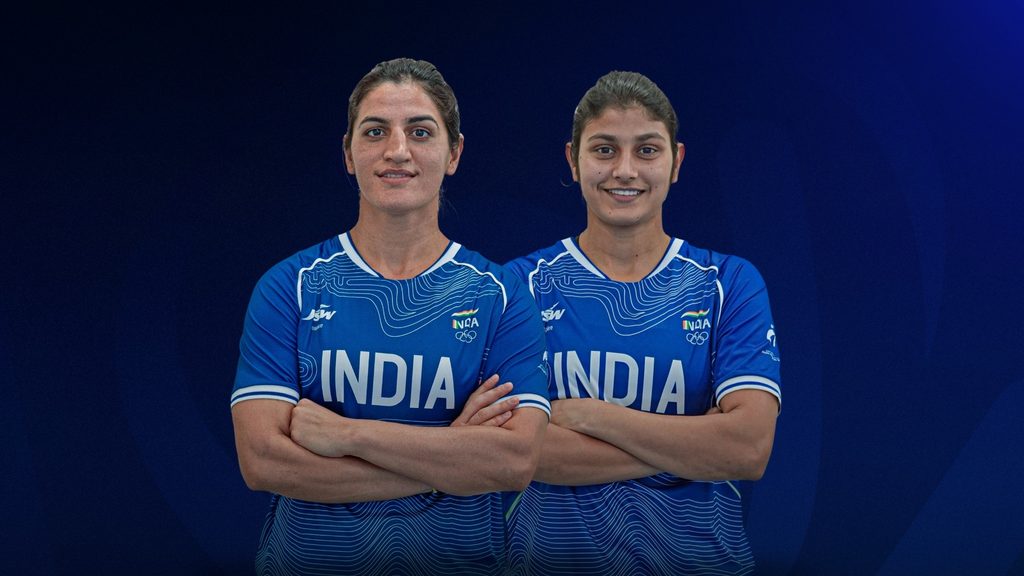
As the countdown to the 2026 Asian Games in Aichi and Nagoya begins, the Indian women’s kabaddi team is making headlines with their intense preparations and unwavering determination to defend their gold medal title. With a blend of experienced players and emerging talents, the team is setting its sights firmly on the podium, eager to uphold India’s proud legacy in this traditional sport. Led by captain Pushpa Rana, the squad is motivated by history, team spirit, and a shared dream of securing their seventh gold medal in kabaddi at the Asian Games.
Strategic Preparation: Analyzing Opponents and Improving Skills
Captain Pushpa Rana, entrusted with leading the 12-member squad into the highly competitive arena, emphasizes the meticulous planning and rigorous training regimen that the team has adopted. “We are practicing with a focus on the match situations we are likely to face,” she explains. “Our coaching staff has been analyzing videos of upcoming opponents, identifying their strengths and weaknesses, and tailoring our strategies accordingly. We have also been working intensively on areas where we need improvement, based on feedback from our coaches. This comprehensive approach has made us confident that we are well-prepared for the challenges ahead.”
Such strategic preparations are crucial in kabaddi, a sport that demands agility, tactical acumen, and mental resilience. The Indian women’s team has historically been dominant in Asian Games, securing 11 gold medals overall, including three in women’s kabaddi. Their recent performances, including the gold at the 2022 Hangzhou Asian Games where they narrowly defeated Chinese Taipei 26-25, serve as a testament to their skill and determination.
Defending the Legacy: From Hangzhou to Nagoya
The team’s recent triumph at the 2022 Hangzhou Asian Games has set a high benchmark. The narrow victory over Chinese Taipei underscored the team’s resilience and ability to perform under pressure. Now, the women’s team aims to replicate and surpass that success in the upcoming event, which promises to be fiercely competitive. The squad’s focus is on maintaining their winning momentum and building on their past experiences.
Pushing the limits of their capabilities, the Indian women’s team will face formidable opponents like Bangladesh, Iran, and Japan in the initial group stages. The matches are scheduled to commence from September 21, with the semi-finals on September 25 and the coveted gold medal match scheduled for September 26. The anticipation among players, coaches, and fans is palpable as the team prepares to showcase their skills on one of the world’s biggest sporting stages.
Leadership and Experience: The Role of Captain Pushpa Rana
This will be Pushpa Rana’s first experience leading the national team as captain, although she has previously served as vice-captain, gaining valuable insights into team dynamics and strategy. “I heavily rely on the guidance of senior players like Ritu Negi and Sonali Shingate,” she notes. “Their experience and leadership are vital in fostering team bonding and ensuring we stay focused on our goals. As captain, I am committed to bringing out the best in every player and maintaining our team’s competitive edge.”
Her leadership style reflects a balanced approach—combining tactical discipline with empathy and motivation. Having played a pivotal role in India’s recent successes, Rana’s confidence and strategic mindset are expected to inspire her teammates to perform at their best during the Asian Games.
Pooja Kajla: An Inspiration for Future Generations
Arjuna awardee Pooja Kajla, one of the team’s star players, underscores the importance of this international stage beyond medals. “Winning gold at the Asian Games isn’t just about pride; it’s about inspiring the next generation of women in sport,” she emphasizes. “Our success encourages young girls across India to pursue kabaddi and other sports, believing they too can achieve greatness.”
For Kajla, the opportunity to secure another gold medal is also a chance to set a precedent and motivate upcoming athletes. Her dedication and leadership serve as a beacon for young women aspiring to excel in kabaddi, a sport that is increasingly gaining popularity and recognition in India and beyond.
Enhanced Training and Focus on Player Well-being
The team’s rigorous preparation includes participation in a specialized strength and conditioning camp organized jointly by the Amateur Kabaddi Federation of India (AKFI) and Mashal Sports—organizers of the Pro Kabaddi League. This camp emphasizes holistic athlete development, focusing not only on technical skills but also on recovery, nutrition, and mental health.
Pooja Kajla highlights the benefits: “We learned a lot about sleep hygiene, recovery techniques, and maintaining peak performance during the camp. These are crucial elements that help us stay fit and resilient, especially during intense tournaments like the Asian Games.”
Such programs are part of a broader initiative to professionalize women’s kabaddi in India, ensuring that players have access to world-class facilities and support systems. This holistic approach aims to elevate the sport and prepare athletes for the demanding international arena.
The Road Ahead: Schedule and Expectations
The kabaddi competition at the 2026 Asian Games promises to be an exhilarating display of skill, strategy, and teamwork. India’s women’s team, with their blend of seasoned players and promising newcomers, is poised to make a strong impression. Their journey begins on September 21 against Bangladesh, followed by matches against Iran on September 23 and hosts Japan on September 24.
If they navigate the group stages successfully, the semi-finals will be held on September 25, leading to the final showdown for the gold medal on September 26. The entire nation will be watching, eager to see if India’s women can defend their title and continue their legacy of excellence in kabaddi.
The Significance of Kabaddi in Indian Sports Culture
Kabaddi holds a special place in India’s sports landscape, transcending regional boundaries and uniting fans across the country. The sport’s popularity surged with the advent of professional leagues like the Pro Kabaddi League, which has helped elevate the game’s profile and inspire more women to participate.
The Indian women’s kabaddi team’s success is not just about medals; it symbolizes resilience, cultural pride, and the empowerment of women in sport. Their journey to the 2026 Asian Games underscores the importance of continued support, investment, and recognition for women athletes in India.
Conclusion: A Historic Moment in Women’s Kabaddi
As the Indian women’s kabaddi team prepares to step onto the international stage at the 2026 Asian Games, their story is one of dedication, strategic excellence, and inspiring leadership. Led by captain Pushpa Rana and supported by stars like Pooja Kajla, the team embodies the spirit of resilience and progress that defines contemporary Indian sports.
With their eyes set on gold, the women’s kabaddi squad is not just aiming for victory but also striving to inspire millions of young girls and women to pursue their sporting dreams. Their performance at Aichi-Nagoya could well be a defining chapter in the history of women’s kabaddi, reinforcing India’s dominance and passion for this dynamic sport.