
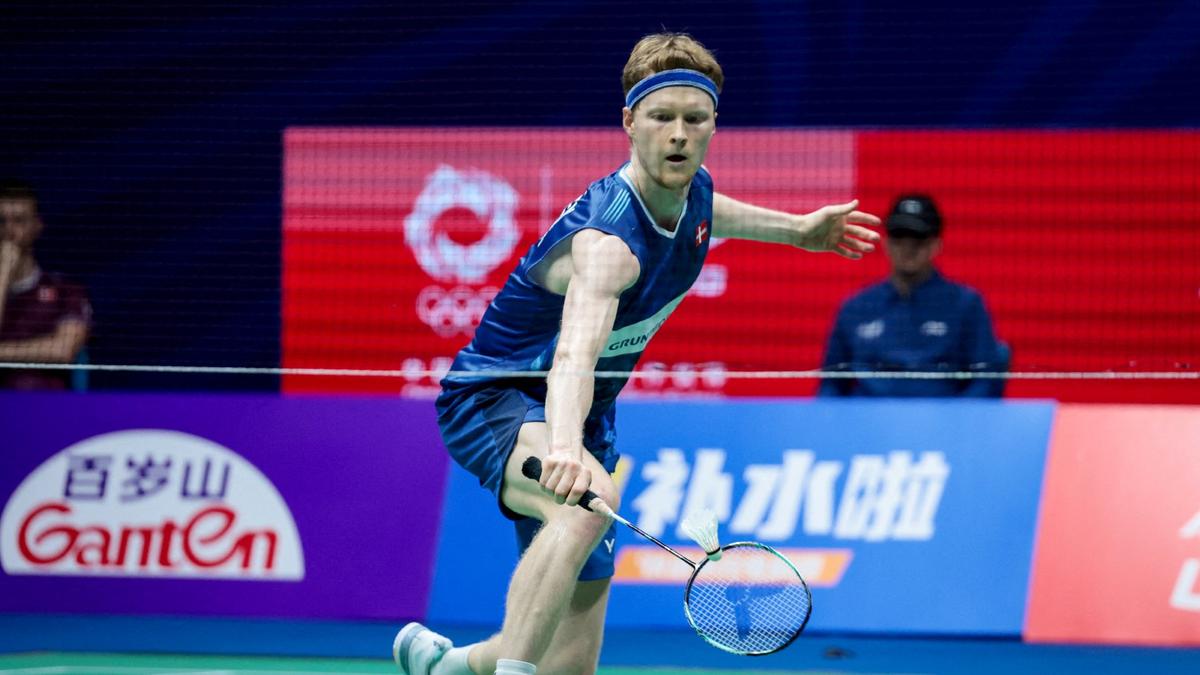

Anders Antonsen Withdraws from India Open Super 750 Due to Extreme Pollution Concerns
Denmark’s Badminton Star Cites Health Concerns as Reason for Skipping Event
Anders Antonsen, the world number 3 and four-time world medallist from Denmark, shocked badminton fans worldwide when he announced on Wednesday that he would be skipping the India Open Super 750 event for the third consecutive year. The 28-year-old took to Instagram to explain his decision, citing the extreme pollution levels in Delhi as the primary reason for his withdrawal.
Antonsen expressed his concerns about the air quality in Delhi, stating, “Due to the extreme pollution in Delhi at the moment, I don’t think it’s a place to host a badminton tournament.” He emphasized his hope for improved conditions by the time the city hosts the BWF Badminton World Championships in August.
Antonsen, known for his silver and three bronze medals at the world championships, revealed that his withdrawal from the event resulted in a fine of USD 5,000 imposed by the world governing body. Despite his appeal for an exemption, the Badminton World Federation (BWF) upheld the fine, as per the Player commitment regulations.
Regulations and Exemptions
According to the BWF regulations, ‘Top Committed Players,’ including the top 15 singles players and top 10 doubles players, are required to participate in certain World Tour events. Failure to compete can lead to fines, unless players have valid reasons such as injury or medical exemptions. Players can also be exempted by participating in promotional activities on-site, as demonstrated by World Champion Shi Yuqi during the India Open.
Antonsen’s withdrawal was not an isolated incident, as the Korean men’s doubles pair of Kim Won Ho and Seo Seung-jae also pulled out of the event due to injury concerns. The event itself faced criticism from players like Mia Blichfeldt, who raised issues regarding hygiene conditions at the venue.
Challenges at the India Open
The India Open Super 750 event had been moved to the larger Indira Gandhi Indoor stadium to accommodate the growing stature of the tournament and serve as a test event for the upcoming World Championships. Despite the shift, players like Blichfeldt found the conditions challenging, particularly during the winter season in Delhi.
Sanjay Mishra, from the Badminton Association of India, clarified that while Blichfeldt’s concerns were related to the warm-up area at the KD Jadhav Stadium, the main competition venue at the India Open was maintained well. Several players expressed satisfaction with the playing conditions at the venue, highlighting the efforts to keep the arena clean and hygienic.
In conclusion, the India Open Super 750 event faced notable withdrawals and criticisms from players due to concerns over pollution and hygiene conditions. The badminton community awaits further developments as the sport continues to navigate challenges in hosting major tournaments amidst environmental and health-related issues.
Environmental Impact on Badminton Tournaments
Anders Antonsen’s decision to withdraw from the India Open Super 750 sheds light on the significant impact of environmental factors on major badminton tournaments. With air pollution levels being a growing concern in many cities around the world, athletes are increasingly facing dilemmas when it comes to participating in events held in areas with poor air quality.
It is not just badminton that is affected by environmental issues; other sports like tennis, cricket, and running events have also faced challenges due to pollution levels. Athletes have to consider the potential health risks associated with competing in areas with high pollution, which can have long-term consequences on their well-being and performance.
Player Health and Well-being
Antonsen’s prioritization of his health and well-being by choosing to skip the India Open highlights the importance of athletes taking care of themselves beyond just physical training and competition. Maintaining good health is essential for athletes to perform at their best, and avoiding exposure to extreme pollution is a wise decision to safeguard their long-term fitness and career.
The issue of pollution in sports events extends beyond just the players; coaches, staff, and spectators also face risks when exposed to poor air quality. By raising awareness about these challenges, athletes like Antonsen are advocating for better environmental practices and policies to protect everyone involved in sporting events.
Future Tournament Planning and Sustainability
As the badminton community grapples with the implications of environmental concerns on tournaments, there is a growing need to prioritize sustainability and environmentally-friendly practices in event planning. Organizers need to consider the location, timing, and impact of hosting tournaments in areas with pollution issues to ensure the health and safety of all participants.
Implementing measures such as air quality monitoring, indoor venue options, and awareness campaigns can help mitigate the risks associated with pollution and create a safer environment for athletes to compete. By proactively addressing these challenges, the badminton community can set a positive example for other sports and promote a culture of sustainability and well-being.
Global Dialogue on Sports and Environment
Antonsen’s withdrawal from the India Open has sparked discussions within the badminton community and beyond about the intersection of sports and environmental issues. This event serves as a reminder of the broader environmental challenges facing the world and the need for athletes, organizers, and fans to work together towards solutions that prioritize both sport and sustainability.
By engaging in a global dialogue on sports and the environment, stakeholders can collaborate on innovative approaches to hosting tournaments that are both competitive and environmentally responsible. Through shared knowledge, best practices, and collective action, the sports industry can lead the way in promoting a healthier and more sustainable future for all.
In conclusion, the decision by Anders Antonsen to withdraw from the India Open Super 750 due to pollution concerns highlights the need for greater awareness and action on environmental issues in sports. By addressing these challenges proactively and collaboratively, the badminton community can pave the way for a more sustainable and health-conscious approach to hosting tournaments in the future.