

ICC Unveils Comprehensive Reforms in Cricket Playing Conditions: A New Era for the Sport
The International Cricket Council (ICC) has announced a series of significant updates to the official playing conditions, effective from October 1, 2025, aimed at modernizing the game and enhancing the spectator experience. These changes encompass innovative use of technology, stricter enforcement of rules, and refined regulations in both Test and limited-overs formats. Among the most notable updates is the trial of pink balls in daytime Test matches—a move designed to mitigate the perennial challenge of bad light disrupting play. Additionally, the ICC is taking firm steps to curb time-wasting tactics and improve the clarity and fairness of dismissals, all while aligning regulations across formats to ensure consistency and fairness in cricket prediction and gameplay strategies.
The Pink-Ball Trial: Extending Play and Improving Spectator Engagement
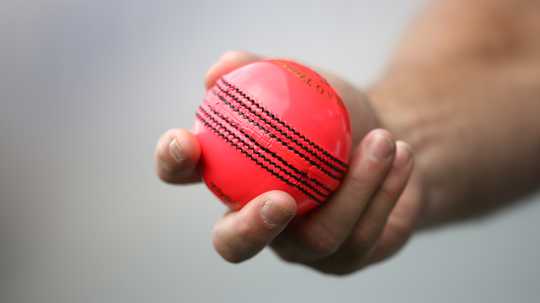
One of the most eye-catching innovations in the new ICC rules is the introduction of pink balls in Test cricket during daytime matches. Historically, traditional red balls have been used in Test cricket, but their visibility under floodlights and during cloudy conditions often posed challenges, leading to interruptions and lost playing time. The ICC’s pink-ball trial aims to address this issue by providing better visibility, especially during the crucial twilight hours, thereby maximizing the number of overs played in a day.
How does the pink-ball trial work? For a pink-ball Test to proceed with this new provision, both participating teams must mutually agree before the match begins. Once agreed upon, the pink ball’s use cannot be altered mid-match, ensuring consistency and fairness. This agreement process encourages strategic planning and cooperation, adding a new layer of engagement for cricket prediction enthusiasts eager to analyze how such innovations might influence match outcomes.
Beyond just visibility, the pink-ball experiment could reshape how teams approach day-night Tests. The potential for extended playing hours and increased entertainment value aligns with the ICC’s broader objective of making cricket more appealing to a global audience, thereby boosting viewership and sponsorship opportunities. Cricket prediction models will need to consider the impact of pink-ball conditions on batting and bowling performances, especially as players adapt to the new ball’s behavior.
Cracking Down on Time-Wasting: Ensuring Fair Play and Better Spectator Experience
Another critical aspect of the ICC’s updated playing conditions is the proactive stance against time-wasting tactics, which have been a point of contention in recent matches. In men’s cricket, particularly during high-stakes Test matches, excessive delays—such as batters taking too long to prepare for the next ball—have disrupted the flow of the game and frustrated fans and players alike.
The new rules stipulate that umpires will issue warnings to batters who are not ready within the prescribed time. The first offense will result in a formal warning, and a second warning will be followed by a penalty of five runs awarded to the fielding side. Continued infractions could lead to further disciplinary action, including potential breaches of the ICC Code of Conduct. This measure aims to promote promptness and maintain the rhythm of play, ultimately encouraging more accurate predictions and strategic planning by cricket analysts and fans.
Illustrative of the importance of this rule, the recent Lord’s Test in 2025 spotlighted issues of time-wasting when India captain Shubman Gill alleged that England’s Zak Crawley and Ben Duckett arrived at the crease approximately 90 seconds late while attempting to see out a final over. Such incidents underscore the necessity for clearer guidelines and stricter enforcement to preserve the integrity of the game.
Refining End-of-Day Procedures: Wicket Fall and Play Continuity
In a move aimed at reducing unnecessary interruptions, the ICC has revised rules governing the end of play in Test cricket. Previously, the fall of a wicket in the final over of the day’s play automatically signaled the end of that day’s match, often leading to delays and scheduling inefficiencies. Now, based on recommendations from the MCC, if conditions remain suitable and the remaining deliveries of the final over have not been completed, the over will continue into the next day instead of being carried over, provided the umpires agree.
This adjustment offers a more fluid and flexible approach to scheduling, allowing cricket prediction models to better anticipate potential shifts in momentum and match flow. It also provides teams with an opportunity to capitalize on remaining overs, which can be crucial in closely contested matches.
Standardizing Equipment: Enhanced Regulations in Women’s and Junior Cricket
The ICC has also tightened specifications for the cricket balls used across different formats and categories, ensuring better standardization and fairness. Notably, the size and weight parameters for men’s, women’s, and junior cricket balls have been clarified and made more precise.
For men’s international cricket: the new balls must weigh between 5.5 and 5.75 ounces (156-163 grams) and measure 22.4 to 22.9 centimeters in circumference.
In women’s cricket: balls must weigh 5 to 5.25 ounces (142-149 grams) with a circumference of 21.5 to 22 centimeters.
Junior cricket balls: specifications align with the need for lighter, smaller equipment suitable for developing players, though detailed parameters are currently under review.
The goal is to ensure consistency in equipment, which directly influences prediction models by reducing variability in ball behavior, thereby allowing for more accurate assessments of pitch and player performance.
Clarifying Ball Control and Dismissal Laws
One of the most debated areas in cricket law involves dismissals such as run-outs and stumpings, which rely heavily on the control of the ball. The ICC has now clarified that mere contact with the ball—such as brushing it with a hand or glove—is insufficient for a wicket to be awarded. Instead, the ball must be held with complete control at the moment the stumps are broken.
This refinement aims to eliminate ambiguous decisions that have occasionally led to controversies, especially in close run-out or stumping situations. Umpires now possess greater discretion to determine when the ball is finally settled, even if it is not physically in the hand of the bowler or wicketkeeper, thereby increasing the accuracy and fairness of decisions—a critical factor for cricket prediction and analysis.
White-Ball Cricket: Standardizing Intervals and Rules
In limited-overs formats like ODIs and T20Is, the ICC has introduced further standardization to improve gameplay flow. The 15-minute interval between innings in T20Is is now fixed, with the possibility of reducing it to a minimum of 10 minutes if necessary due to lost time. This change ensures a more predictable schedule, which is beneficial for broadcasters, spectators, and prediction models alike.
Additionally, the provision allowing the ‘Head Coach or their designate’ to enter the field during drinks intervals has been aligned across formats, facilitating better communication and strategic adjustments during the game.
The Permanent Adoption of Wide-Ball Rule in White-Ball Cricket
The ICC has also made permanent a trial rule from ODIs and T20Is that offers bowlers more leniency when a batter moves prematurely before the delivery. Under this rule, the bowler’s leg position at the point of delivery serves as the basis for judging a wide, regardless of subsequent batter movement. This change aims to prevent unfair dismissals and reduce contentious decisions, fostering a fairer environment for cricket prediction enthusiasts analyzing match dynamics.
Final Thoughts: Evolving the Game for Future Generations
Gaurav Saxena, ICC General Manager – Events and Operations, emphasized that these updates are the result of a collaborative process focused on balancing tradition with innovation. “It was a genuinely collaborative process, with a strong focus on finding the right solutions and ensuring the Playing Conditions continue to evolve in step with the modern game, while preserving the clarity and integrity of the laws,” he stated.
As these new regulations come into effect, cricket fans, players, and analysts will need to adapt their prediction strategies accordingly. Whether it’s assessing the impact of pink-ball day-night Tests, understanding new rules around ball control, or factoring in stricter time management, these changes are set to shape the future landscape of international cricket.
Ultimately, these reforms underscore the ICC’s commitment to making cricket more competitive, fair, and engaging for a global audience. The evolving playing conditions promise to bring fresh insights and exciting developments that will keep fans on the edge of their seats, eager to predict the next big cricketing spectacle.