
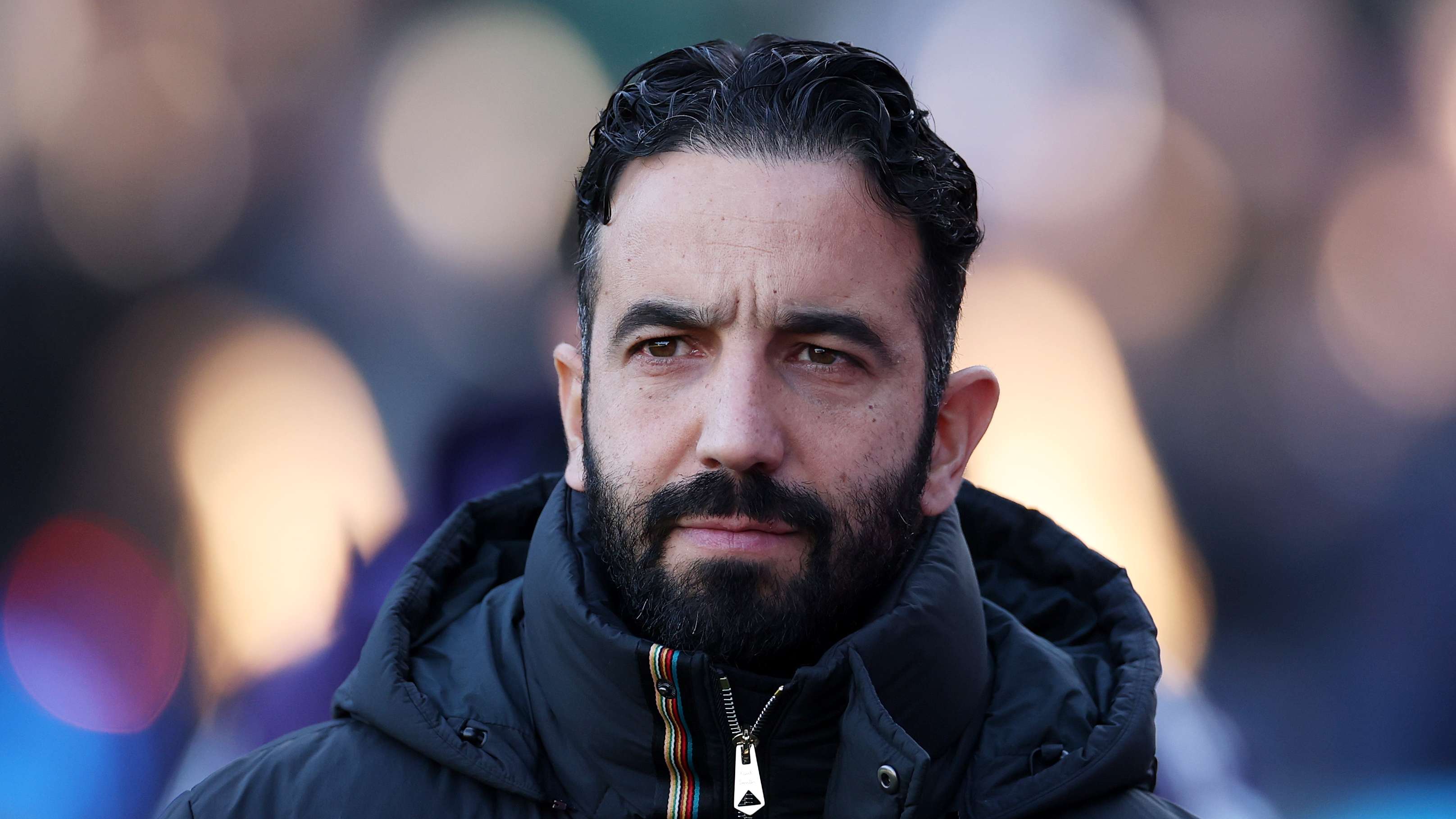

Manchester United Manager Ruben Amorim Speaks Out Against Online Abuse
Manchester United boss Ruben Amorim has opened up about the challenges he faces due to online abuse, revealing that he avoids using social media to protect himself. The Portuguese manager was recently identified as the top target of online abuse in English football, according to a BBC investigation.
A Shocking Revelation
The investigation found that Amorim received more abuse than any other figure in the game during the weekend of Manchester United’s 2-2 draw with Tottenham in November. This disturbing revelation sheds light on the dark side of social media and the impact it can have on individuals, especially high-profile figures in the football world.
Amorim’s experience highlights the prevalence of online abuse in football and the need for greater awareness and action to address this issue. The manager’s decision to stay away from social media serves as a protective measure to safeguard his mental well-being and focus on his role at Manchester United.
Fighting Back Against Online Hate
Amorim’s willingness to speak out about his experience with online abuse sends a powerful message to the football community and beyond. By sharing his story, he is standing up against the toxic culture of online hate and advocating for a safer and more respectful online environment for all.
The rise of online abuse in football has become a growing concern in recent years, with players, managers, and fans alike falling victim to hateful and discriminatory attacks. The impact of such abuse can be profound, affecting not only the individual targeted but also their loved ones and supporters.
Creating a Positive Online Culture
As the manager of one of the most renowned football clubs in the world, Amorim’s words carry weight and influence. His decision to prioritize his mental well-being and shield himself from online abuse sets an example for others to follow. It underscores the importance of self-care and setting boundaries in the face of negativity.
By raising awareness about the issue of online abuse and taking a stand against it, Amorim is contributing to the ongoing conversation about the impact of social media on mental health and well-being. His courage in speaking out serves as a reminder of the need for collective action to create a more positive and inclusive online culture.
A Call for Change
As the football world continues to grapple with the scourge of online abuse, Amorim’s story serves as a rallying cry for change. It is a reminder that behind the headlines and the victories on the pitch, there are real people facing real challenges and vulnerabilities.
It is imperative that the football community comes together to address the issue of online abuse and work towards creating a safer and more respectful online environment for all. Only through collective action and solidarity can we hope to eradicate the toxic culture of online hate and build a more compassionate and supportive online community.
Ultimately, Amorim’s experience underscores the need for greater empathy, understanding, and kindness in our interactions both on and off the field. Let us stand together in support of those who are targeted by online abuse and strive to make football a safe and welcoming space for all.
Impact of Online Abuse on Mental Health
Online abuse in football, as highlighted by Ruben Amorim’s experience, can have significant consequences on mental health. The constant barrage of hateful messages and derogatory comments can take a toll on an individual’s well-being, leading to increased stress, anxiety, and even depression. The anonymity provided by social media platforms often emboldens perpetrators to engage in harmful behavior without facing any real-world consequences.
For high-profile figures like football managers, the pressure to perform on the pitch is already immense. Adding the burden of dealing with online abuse can further exacerbate their stress levels and negatively impact their ability to focus on their job. This cycle of abuse and its effects on mental health underscore the urgent need for effective measures to combat online toxicity and ensure the safety of individuals in the football community.
Support Systems and Resources
In light of the prevalence of online abuse, it is essential for football clubs and organizations to provide support systems and resources for individuals who may be targeted. This includes offering mental health services, counseling, and guidance on how to navigate online platforms safely. By prioritizing the well-being of their employees and players, clubs can create a more supportive environment that fosters resilience in the face of online abuse.
Additionally, initiatives such as online reporting mechanisms, stricter regulations on social media platforms, and educational campaigns can help raise awareness about the impact of online abuse and empower individuals to take action against it. By fostering a culture of accountability and promoting positive online behaviors, the football community can work towards eliminating toxic behavior and creating a more inclusive digital space.
Building Resilience and Empowerment
While the fight against online abuse may seem daunting, individuals like Ruben Amorim serve as beacons of resilience and empowerment in the face of adversity. By speaking out against online hate and taking steps to protect themselves, they inspire others to do the same and reclaim their online presence with confidence and dignity.
Building resilience against online abuse involves cultivating a strong support network, practicing self-care, and setting boundaries to ensure one’s mental well-being is safeguarded. By empowering individuals to take control of their online experiences and seek help when needed, we can create a more resilient and empowered community that stands united against online abuse.
Conclusion
In conclusion, the issue of online abuse in football is a pressing concern that requires collective action and solidarity to address effectively. By sharing his story and advocating for change, Ruben Amorim has shed light on the impact of online hate and the importance of creating a positive and respectful online culture. As we work towards fostering empathy, understanding, and kindness in our interactions, let us stand together in support of those who are targeted by online abuse and strive to make football a safe and welcoming space for all.