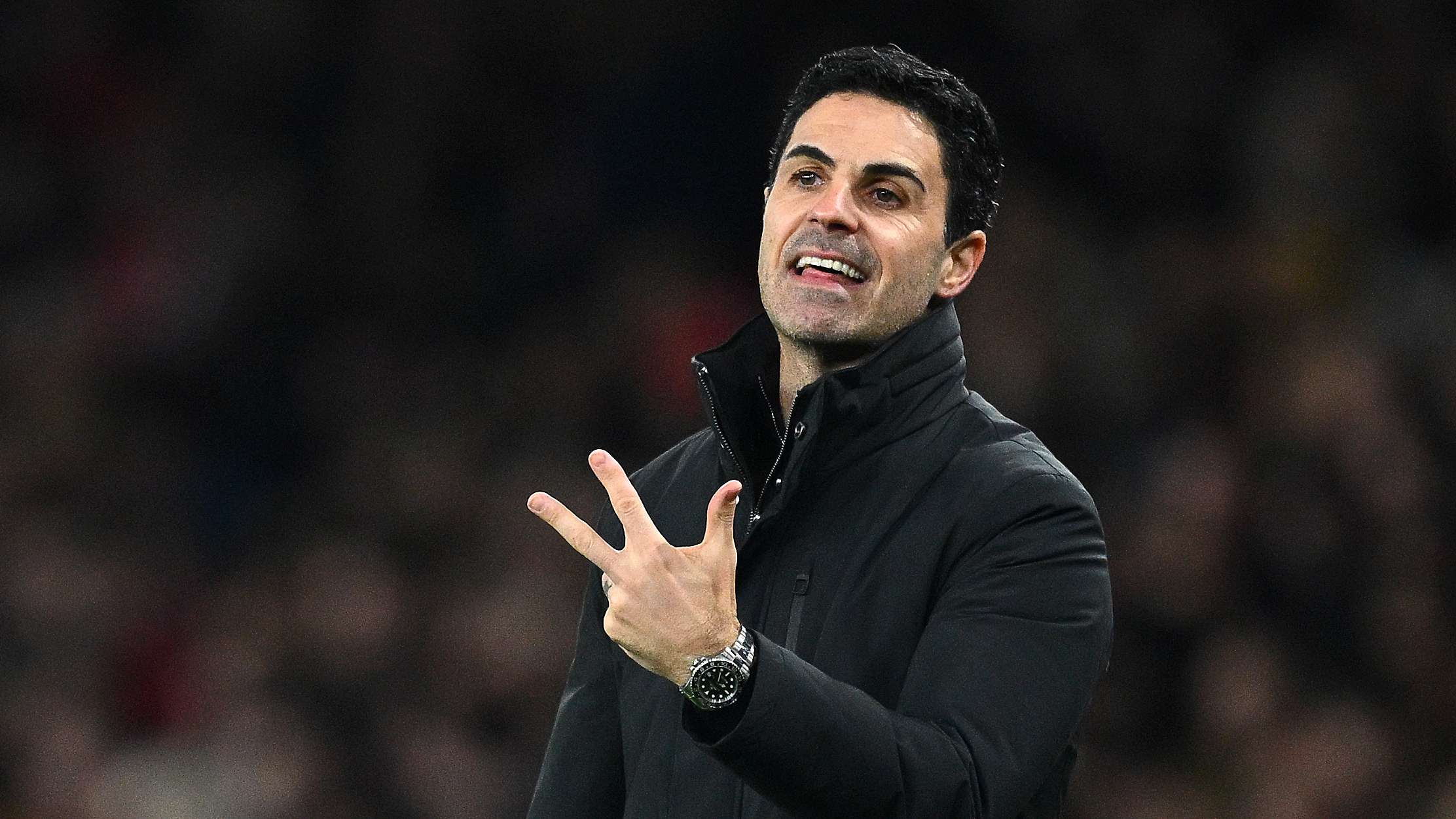

Arsenal Manager Mikel Arteta Advocates for Larger Matchday Squads
Arsenal manager Mikel Arteta has made a heartfelt plea to the Premier League to consider expanding the size of matchday squads in order to prioritize the mental health of players. Arteta believes that the current regulations are not in line with the rigorous demands faced by modern footballers and is urging for a change to prevent the unnecessary disappointment of leaving key players out of squad selections.
Concerns Over Mental Health
Arteta’s plea comes as a response to the growing awareness of mental health issues among professional athletes. The pressure and stress of the game, coupled with the intense competition and public scrutiny, can take a toll on players’ well-being. By increasing the size of matchday squads, Arteta hopes to provide more support and flexibility for players, reducing the risk of burnout and mental health struggles.
Outdated Regulations
The Arsenal boss argues that the current rules regarding squad sizes are outdated and fail to account for the demands of modern football. With the increasing number of fixtures and competitions, as well as the physical and mental strain on players, Arteta believes that it is time for the Premier League to adapt and prioritize the health and welfare of its athletes.
Call for Immediate Reform
Arteta’s plea is not just a suggestion but a call to action for immediate reform. He emphasizes that the heartbreak of leaving players out of matchday squads could be avoided with a simple adjustment to the regulations. By allowing for larger squads, teams would have more options to rotate players, manage injuries, and maintain peak performance throughout the season.
“We need to protect our players. The game has evolved, and so should the rules,” Arteta stated. “It’s essential for the well-being of our athletes that we make changes to ensure they are supported both on and off the field.”
Support from the Football Community
Arteta’s passionate plea has garnered support from various members of the football community, including players, coaches, and fans. Many agree that the mental health of athletes should be a top priority and that the current regulations may be hindering their well-being.
Former Arsenal player and current pundit, Thierry Henry, expressed his support for Arteta’s stance, stating, “I’ve seen firsthand the toll that the game can take on players. It’s time for the authorities to listen and make changes for the betterment of the sport.”
Looking Ahead
As the conversation around mental health in sports continues to grow, Arteta’s plea for larger matchday squads serves as a reminder of the importance of prioritizing the well-being of athletes. With increasing pressure and demands in modern football, it is crucial for governing bodies to listen to the concerns of those directly involved in the game and make necessary adjustments to support the mental health of players.
Arteta’s advocacy for change highlights the evolving nature of football and the need for regulations to keep pace with the demands of the sport. By addressing the mental health needs of players, the Premier League can ensure a more sustainable and supportive environment for all those involved in the beautiful game.
Impact on Player Performance
Expanding matchday squads can have a significant impact on player performance and team dynamics. With a larger pool of players to choose from, managers like Arteta can rotate their squads more effectively, reducing the risk of fatigue and injuries. This can lead to improved performance on the pitch as players are better rested and mentally fresh for each game.
Furthermore, having a larger squad allows for more competition within the team, pushing players to perform at their best in order to secure their spot in the starting lineup. This healthy competition can drive players to continuously improve and strive for excellence, benefiting both individual growth and overall team success.
Enhanced Tactical Flexibility
By increasing the size of matchday squads, teams gain greater tactical flexibility during matches. With more options available on the bench, managers can adapt their strategies based on the flow of the game, opponent strengths, and player conditions. This adaptability can be a game-changer in tight matches where a strategic substitution or tactical shift can turn the tide in favor of the team.
Moreover, larger matchday squads allow for specialist players to be included, providing teams with specialized skills and attributes to address specific situations within a game. Whether it’s bringing on a pacey winger to exploit tired defenses or a defensive midfielder to shore up the backline, having a diverse squad at their disposal gives managers like Arteta the tools needed to navigate different game scenarios effectively.
Financial Considerations
While the primary focus of Arteta’s plea is on the mental health and well-being of players, expanding matchday squads can also have financial implications for clubs. With larger squads, clubs may need to allocate more resources towards player salaries, medical staff, training facilities, and other support services to ensure the well-being and performance of the expanded roster.
However, the long-term benefits of having a healthier and more competitive squad can outweigh the initial financial investments. By prioritizing the mental health of players and creating a supportive environment, clubs can potentially reduce costs associated with injuries, player burnout, and performance declines, ultimately leading to greater success on the pitch and in the financial aspects of the game.
Global Trends and Best Practices
Arteta’s call for larger matchday squads is also reflective of global trends in sports management and athlete welfare. Across various sports leagues and organizations, there is a growing recognition of the importance of mental health support for athletes and the need for proactive measures to safeguard their well-being.
By aligning with best practices from other sports and industries, the Premier League can set a new standard for player welfare and create a more sustainable model for the future of football. Embracing progressive policies that prioritize mental health can not only benefit players but also enhance the overall image and reputation of the league on a global scale.
Conclusion
In conclusion, Arsenal manager Mikel Arteta’s advocacy for larger matchday squads in the Premier League goes beyond a simple rule change—it represents a fundamental shift towards prioritizing the mental health and well-being of players in modern football. By expanding squad sizes, teams can improve player performance, enhance tactical flexibility, foster healthy competition, and create a more supportive environment for athletes.
As the football community rallies behind Arteta’s call for change, it is evident that the conversation around mental health in sports is evolving, and the time for action is now. By embracing a holistic approach to player welfare and adapting regulations to meet the demands of the game, the Premier League can lead the way in promoting a culture of care and respect for its most valuable assets—its players.