
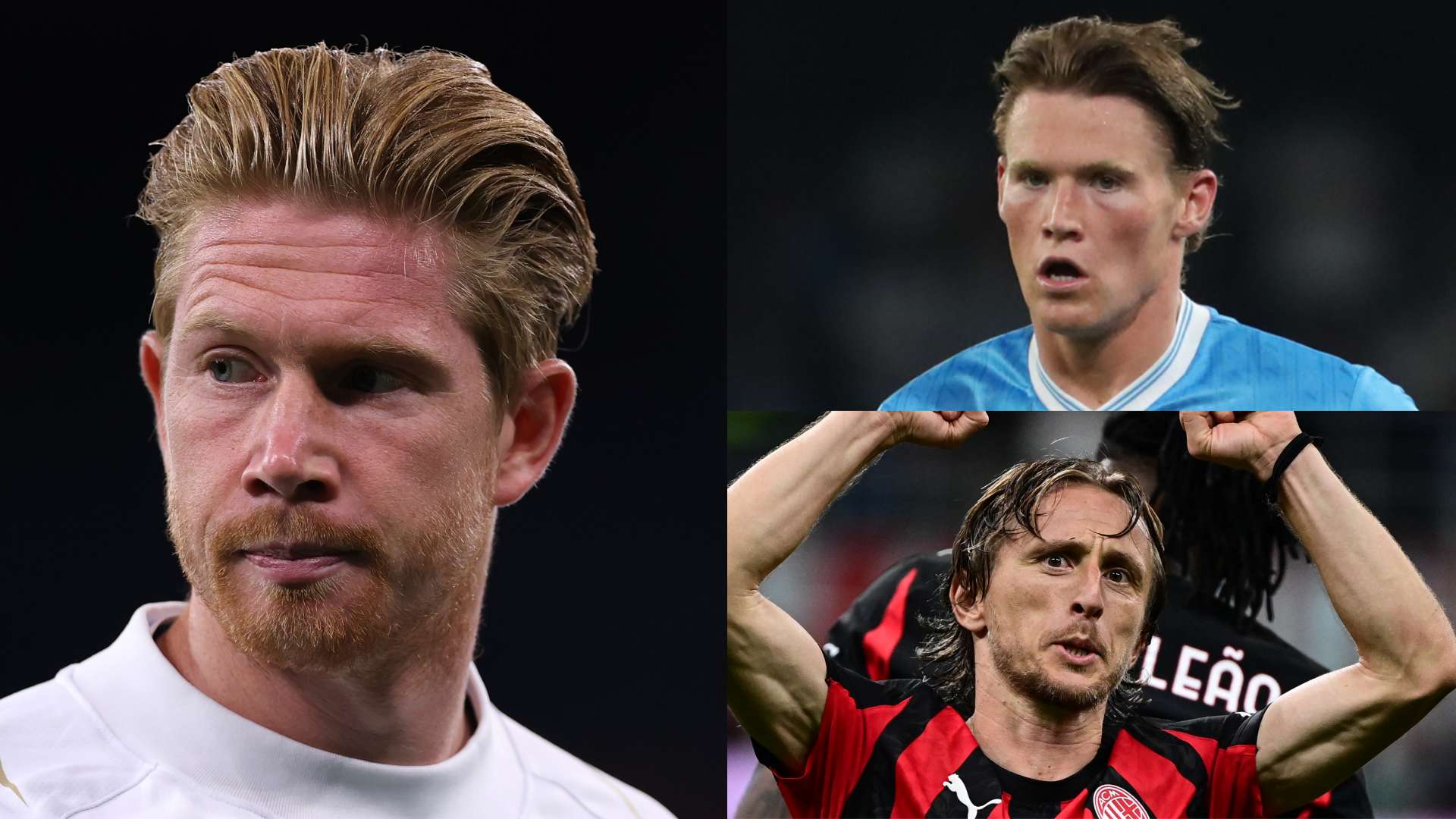

Former Napoli Chief Criticizes Kevin De Bruyne for Impact on Scott McTominay
Former Napoli chief Pierpaolo Marino recently made headlines with his criticism of Kevin De Bruyne, the ex-Manchester City maestro. Marino accused De Bruyne of “stepping on Scott McTominay’s toes” and hindering the Scottish player’s impact on the field. His comments have sparked debates among football fans and experts alike.
De Bruyne’s Impact on McTominay
Marino’s criticism stems from his observation of how De Bruyne’s playing style may be affecting McTominay’s performance. According to Marino, De Bruyne’s presence on the pitch has overshadowed McTominay and limited his influence on the game. This has raised concerns about how De Bruyne’s role within the team may be impacting the development and success of other players.
McTominay, known for his tenacity and versatility on the field, has been a key player for both Manchester United and the Scottish national team. However, Marino believes that De Bruyne’s dominance may be hindering McTominay’s ability to shine and reach his full potential.
De Bruyne’s Performance at Napoli
Marino also commented on De Bruyne’s current level of performance at Napoli, suggesting that it falls short of earning comparisons to the legendary Luka Modric. While De Bruyne is widely regarded as one of the top midfielders in the world, Marino believes that his form at Napoli is not on par with Modric’s exceptional start at AC Milan.
Despite De Bruyne’s talent and experience, Marino’s remarks highlight a discrepancy between expectations and reality when it comes to the Belgian player’s contributions to Napoli’s success. This has led to discussions about De Bruyne’s adaptation to his new team and whether he can live up to the high standards set by Modric.
Debates Among Football Fans
Marino’s comments have sparked debates among football fans and experts, with many weighing in on the impact of De Bruyne’s playing style on McTominay and his performance at Napoli. Some argue that De Bruyne’s strengths as a player should not overshadow the abilities of his teammates, while others defend De Bruyne’s track record and contributions to the sport.
As discussions continue, the focus remains on how players like De Bruyne can balance their individual talents with the overall success of their team. The dynamics of team chemistry and player relationships are crucial in determining a team’s performance and success on the field.
Looking Ahead
As the football season progresses, all eyes will be on De Bruyne, McTominay, and other players who have been at the center of recent debates. Their performances on the field will ultimately determine their impact and influence within their respective teams.
Whether De Bruyne can address the criticisms leveled against him by Marino and prove his worth at Napoli remains to be seen. As for McTominay, the spotlight will be on him to showcase his skills and prove that he can shine despite the challenges he may face on the field.
As the football world awaits the next chapter in this unfolding story, one thing is certain: the passion and intensity of the sport will continue to captivate fans and ignite discussions for seasons to come.
Impact of Playing Style on Team Dynamics
Marino’s critique of De Bruyne sheds light on the delicate balance of team dynamics in football. The interaction between players on the field can significantly impact the overall performance of a team. While individual brilliance is essential, it must complement the collective effort of the team for success to be achieved.
De Bruyne’s style of play, characterized by his vision, passing accuracy, and goal-scoring ability, undoubtedly brings immense value to any team. However, Marino’s concern about his overshadowing effect on McTominay raises questions about how star players can best integrate with their teammates without stifling their potential.
The ability to create synergy among players with diverse skill sets is a hallmark of successful teams. Finding the right balance between showcasing individual talents and fostering a cohesive team environment is a challenge that many top-tier clubs face. De Bruyne’s case serves as a reminder of the complexities involved in managing a team of high-caliber athletes.
Player Adaptation in New Environments
De Bruyne’s transition to Napoli following his tenure at Manchester City presents a unique set of challenges. Adapting to a new league, playing style, and teammates can impact a player’s performance and overall contribution to the team. Marino’s comparison to Modric’s early success at AC Milan underscores the expectations that come with joining a new club.
The pressure to deliver results while adjusting to unfamiliar surroundings can test even the most seasoned players. De Bruyne’s journey at Napoli will be closely monitored to see how he navigates these challenges and whether he can replicate his previous successes in a different setting. The ability to adapt and thrive in new environments is a true test of a player’s versatility and resilience.
The Role of Criticism in Player Development
Criticism, whether from former football executives like Marino or fans and pundits, can play a significant role in shaping a player’s growth and development. While constructive feedback can motivate players to improve and refine their skills, unwarranted or harsh criticism can have detrimental effects on confidence and performance.
De Bruyne, known for his mental fortitude and professionalism, will likely use Marino’s comments as fuel to elevate his game and prove his detractors wrong. McTominay, on the other hand, may view this criticism as an opportunity to reassess his own performance and make necessary adjustments to stand out on the field.
Embracing Uncertainty and Evolution in Football
As the football landscape continues to evolve, so too must the players who inhabit it. The unpredictability of the sport is what makes it so captivating, with narratives and storylines unfolding with every match played. De Bruyne and McTominay are just two characters in a larger narrative that is constantly being rewritten.
Embracing the uncertainty of player performances, team dynamics, and league competitions is essential for fans and players alike. The ebb and flow of football create opportunities for growth, learning, and transformation. It is within this fluidity that players like De Bruyne and McTominay can redefine their roles, challenge expectations, and leave a lasting impact on the sport.
Conclusion
Marino’s criticism of De Bruyne and the ensuing discussions surrounding player dynamics, team adaptation, and the role of criticism in player development offer a glimpse into the multifaceted world of football. As the season progresses, the narratives of these players will continue to unfold, providing fans with a front-row seat to the drama, excitement, and passion that define the beautiful game.
While the outcome of De Bruyne’s journey at Napoli and McTominay’s quest for excellence remains uncertain, one thing is clear: football’s ability to captivate, inspire, and unite fans across the globe is a testament to the enduring power of the sport.
