
Football Association Chair Debbie Hewitt Calls for Transparency Amid FIFA Scandal: A Critical Examination of Leadership and Future Predictions for the Sport
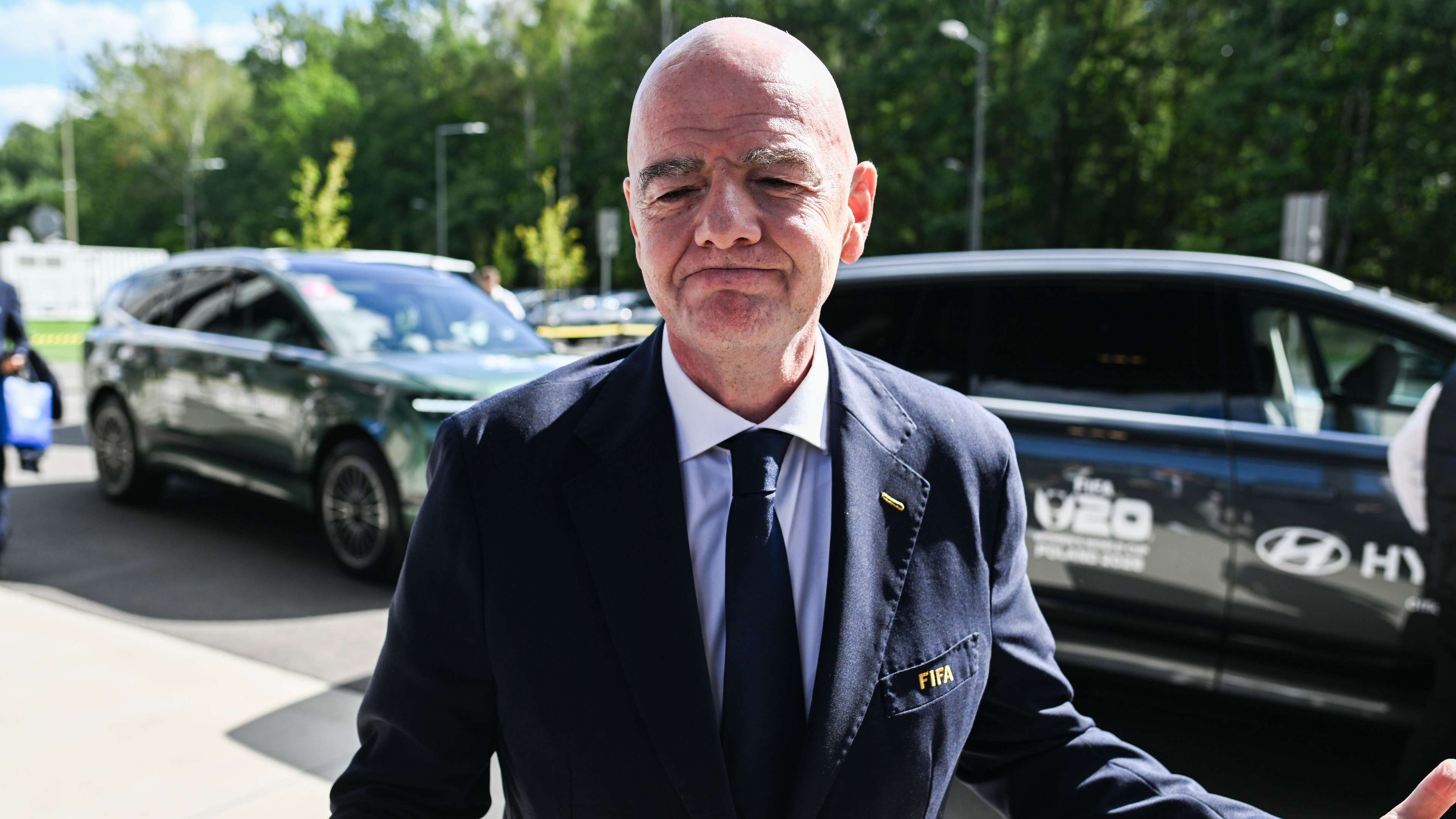
In a bold move that has sent ripples across the global football community, Debbie Hewitt, the esteemed Chair of the Football Association (FA) and a serving FIFA vice-president, has publicly voiced her strong disapproval of FIFA’s current leadership. Her pointed critique underscores the urgent need for transparency and accountability within the world governing body of football, especially amidst a series of recent scandals that threaten to undermine the integrity of the sport.
Unveiling the Critique: Hewitt’s Demands for Transparency
Hewitt’s stance marks a significant shift from the traditionally cautious silence often maintained by top officials in international football. She has formally requested that FIFA President Gianni Infantino release all internal documents related to two contentious issues that have recently come to light: the botched attempt to sell off the commercial rights for the FIFA World Cup and the mysterious reversal of Folarin Balogun’s suspension.
The failed plan to sell World Cup commercial rights has been a subject of speculation and concern among football insiders and fans alike. The attempt to privatize or monetize these lucrative rights was seen as a potential revenue booster, but it reportedly faced internal resistance and legal complications, leading to its downfall. Hewitt’s call for transparency aims to shed light on the decision-making process and the internal discussions that led to this failure, which could have far-reaching implications for FIFA’s future strategies and the sport’s financial stability.
Meanwhile, the overturning of Folarin Balogun’s suspension remains shrouded in mystery. The Arsenal forward’s ban was initially imposed under controversial circumstances, sparking widespread debate about fairness and due process in football disciplinary procedures. The unexpected reversal raises questions about governance, consistency, and the influence of external factors on FIFA’s disciplinary decisions.
The Broader Context: Scandals and the Need for Reform in Football Governance
Hewitt’s outspoken critique arrives at a time when FIFA is grappling with multiple scandals, including allegations of corruption, lack of transparency, and questions about the integrity of its leadership. These issues have cast a shadow over FIFA’s reputation and have sparked calls for significant reforms within the organization.
Under Gianni Infantino’s presidency, FIFA has attempted to modernize its image and improve governance standards. However, critics argue that progress has been slow and that recent incidents suggest deeper systemic problems. Hewitt’s demand for full disclosure of internal documents is seen as a step toward restoring trust and ensuring that decision-making processes are open and accountable.
Implications for the Future of Football: Predictions and Perspectives
As the football world awaits FIFA’s response to Hewitt’s requests, industry experts and fans alike are speculating on the potential outcomes and their impact on the sport’s future. Here are some key predictions and insights:
Enhanced Transparency Could Lead to Reforms
If FIFA complies with Hewitt’s demands and releases the requested documents, it could mark the beginning of a new era of transparency within the organization. Such openness may facilitate reforms aimed at improving governance, reducing corruption, and fostering a more ethical environment. For football enthusiasts, this could translate into a more trustworthy and fair sport, which is essential for the sport’s long-term growth and prediction of its future trajectory.
Repercussions for FIFA’s Leadership and Global Relations
The release of sensitive documents might also lead to internal shakeups within FIFA’s leadership. It could expose misconduct or mismanagement, prompting calls for leadership changes or policy reforms. Furthermore, the scandal could influence FIFA’s relationships with national associations, sponsors, and broadcasters, potentially affecting upcoming tournaments and the global football calendar.
Impact on Football’s Commercial Landscape
The controversy surrounding the failed commercial rights sale could reshape how FIFA approaches its monetization strategies. Increased transparency might lead to more equitable negotiations with broadcasters and commercial partners, ultimately benefiting the sport’s prediction of sustained financial growth. Moreover, clearer governance could bolster investor confidence and attract new sponsorship opportunities.
The Role of Fans and Stakeholders in Shaping Football’s Future
Football fans, clubs, and stakeholders play a crucial role in driving positive change within the sport. Hewitt’s outspoken stance highlights the importance of accountability and the need for a collective effort to ensure that the sport remains transparent and fair. Fans’ demand for integrity and ethical governance aligns with broader trends of increased scrutiny and activism in sports governance worldwide.
Looking ahead, the football prediction landscape may increasingly factor in governance stability and organizational transparency as key indicators of a sport’s health. As new leadership emerges and reforms are implemented, the future of football could see a more open, ethical, and financially sustainable environment—benefiting players, fans, and the sport’s global ecosystem.
Conclusion: A Pivotal Moment for Football Governance and Prediction
Debbie Hewitt’s call for transparency represents a pivotal moment in the ongoing quest to reform football’s governing structures. Her demands not only challenge FIFA’s leadership but also set the stage for a broader conversation about integrity, accountability, and the future of the sport. As the world watches closely, the outcomes of these developments could significantly influence the football prediction landscape, shaping the sport’s trajectory for years to come.
Ultimately, the push for openness and reform underscores a fundamental truth: football, as the world’s most beloved sport, must be governed with integrity to continue inspiring millions around the globe. The coming months will be critical in determining whether FIFA can rise to these challenges and restore confidence in its leadership, ensuring that football remains a game played with fairness, passion, and transparency.