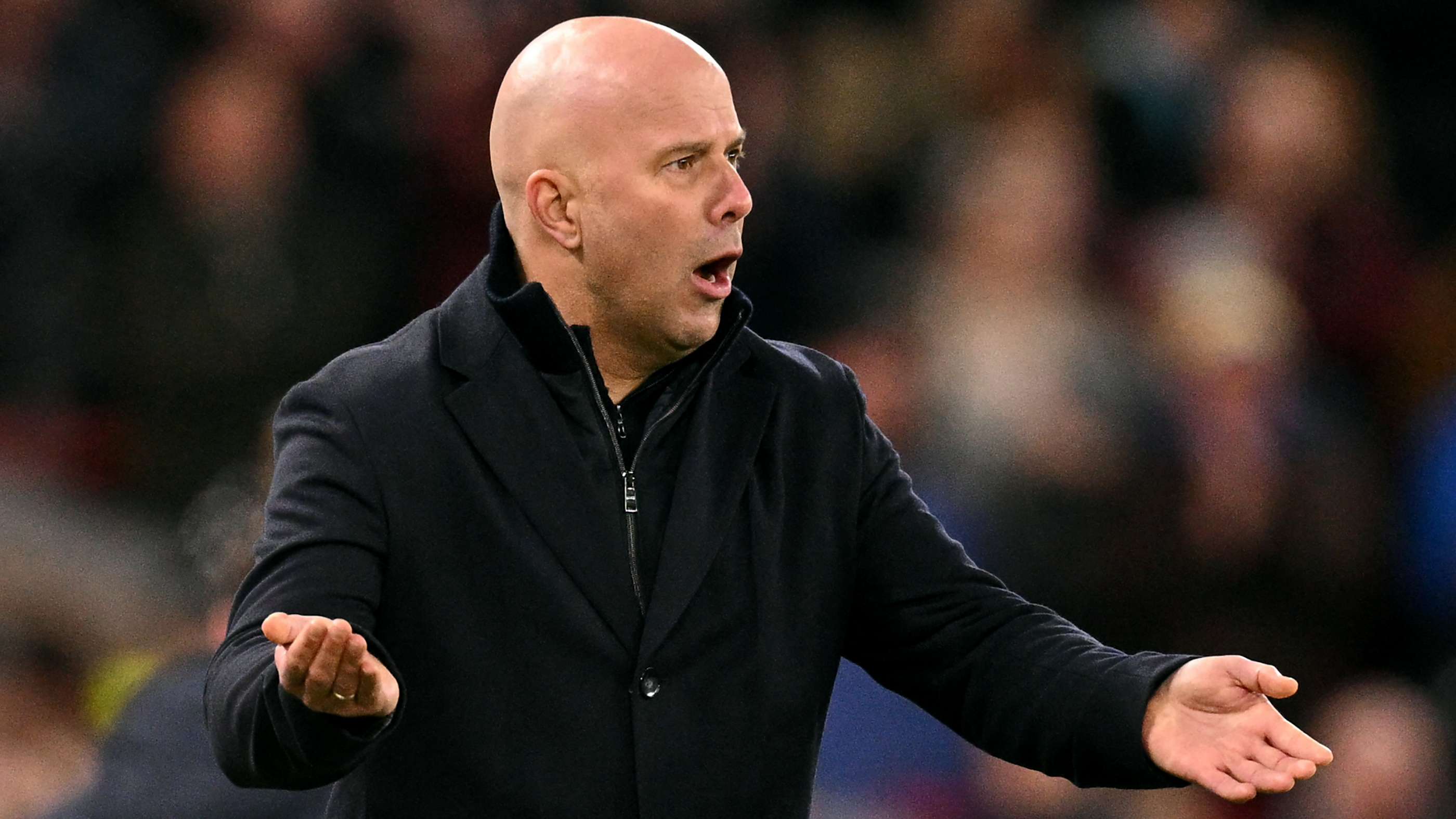


Pep Guardiola Refuses to Warn Gianluigi Donnarumma Despite Bookings
Manchester City manager Pep Guardiola has stated that he will not be cautioning goalkeeper Gianluigi Donnarumma for his four bookings in just ten Premier League matches. Despite the Italian goalkeeper’s disciplinary record, Guardiola believes Donnarumma is mature enough to understand the importance of controlling his emotions on the field.
Donnarumma’s Disciplinary Concerns
Donnarumma’s four bookings in ten Premier League appearances have raised eyebrows, with the goalkeeper edging closer to a record no other goalkeeper in the competition has achieved. However, Guardiola’s decision not to speak to Donnarumma about his bookings highlights his trust in the player’s ability to manage his temperament effectively.
Guardiola’s approach to handling Donnarumma’s bookings reflects his belief in the goalkeeper’s professionalism and experience. Despite the potential for disciplinary issues affecting the team’s performance, Guardiola values Donnarumma’s maturity and understanding of the game.
Guardiola’s Trust in Donnarumma
Guardiola’s decision not to warn Donnarumma about his bookings showcases the manager’s confidence in the goalkeeper’s ability to learn and adapt. By trusting Donnarumma to address his disciplinary concerns independently, Guardiola emphasizes the importance of personal responsibility and growth within the team.
Guardiola’s faith in Donnarumma’s judgement and awareness on the field underscores the manager’s belief in the goalkeeper’s potential to excel in high-pressure situations. Despite the disciplinary challenges Donnarumma faces, Guardiola remains supportive of the player’s development and performance.
Impact on Manchester City’s Season
Donnarumma’s bookings may have implications for Manchester City’s season, as the goalkeeper’s disciplinary record could lead to suspensions or fines. However, Guardiola’s trust in Donnarumma’s ability to manage his emotions effectively suggests that the team remains focused on achieving their goals and maintaining a competitive edge in the Premier League.
Guardiola’s approach to addressing Donnarumma’s bookings reflects the manager’s commitment to nurturing talent and promoting personal growth within the team. By allowing Donnarumma to take ownership of his disciplinary issues, Guardiola sets a precedent for accountability and professionalism among all players.
Conclusion
In conclusion, Pep Guardiola’s decision not to warn Gianluigi Donnarumma about his bookings highlights the manager’s trust in the goalkeeper’s maturity and professionalism. Despite the potential impact of Donnarumma’s disciplinary record on Manchester City’s season, Guardiola remains supportive of the player’s growth and development on and off the field. As the Premier League season progresses, Donnarumma’s ability to manage his temperament will be crucial in determining Manchester City’s success.
Importance of Emotional Control in Football
Emotional control is a crucial aspect of a player’s performance in football. Managing one’s emotions on the field can greatly impact decision-making, focus, and overall gameplay. Players like Gianluigi Donnarumma, who have a tendency to get booked frequently, need to work on controlling their emotions to avoid detrimental consequences for their team.
Guardiola’s decision not to warn Donnarumma about his bookings could be seen as a strategy to empower the goalkeeper to take responsibility for his actions and work on improving his emotional regulation. By allowing players to learn from their mistakes and grow independently, coaches like Guardiola foster a sense of accountability and self-awareness among the team members.
Psychological Support for Players
It is essential for football clubs to provide psychological support and guidance to players who struggle with emotional control issues. Working with sports psychologists can help players like Donnarumma understand the root causes of their behavior and develop coping strategies to manage their emotions effectively during matches.
By incorporating mental health and emotional well-being into their training programs, clubs can create a supportive environment that encourages open communication and personal growth. Guardiola’s approach to handling Donnarumma’s disciplinary concerns without public reprimand may indicate that the club is addressing the issue internally and providing the necessary support to help the player improve.
Long-Term Development and Team Dynamics
Investing in the long-term development of players like Donnarumma benefits not only the individual but also the team as a whole. By nurturing talent and promoting a culture of continuous improvement, clubs can foster a strong sense of unity and collaboration among players, leading to better on-field performance and team dynamics.
Guardiola’s trust in Donnarumma’s ability to learn from his mistakes and grow as a player demonstrates a commitment to building a resilient and competitive team. By emphasizing personal responsibility and growth, Guardiola sets a positive example for other players and instills a sense of professionalism and self-discipline within the squad.
Looking Ahead
As the season progresses, the spotlight will be on Gianluigi Donnarumma’s ability to manage his emotions and avoid further bookings. With the support of Pep Guardiola and the club’s resources, Donnarumma has the opportunity to turn his disciplinary challenges into a learning experience and emerge as a stronger and more composed player on the field.
Ultimately, the success of Manchester City’s season may hinge on Donnarumma’s growth and development as a player. By recognizing the importance of emotional control in football and providing the necessary support and guidance, Guardiola and the club are positioning themselves for continued success in the Premier League and other competitions.