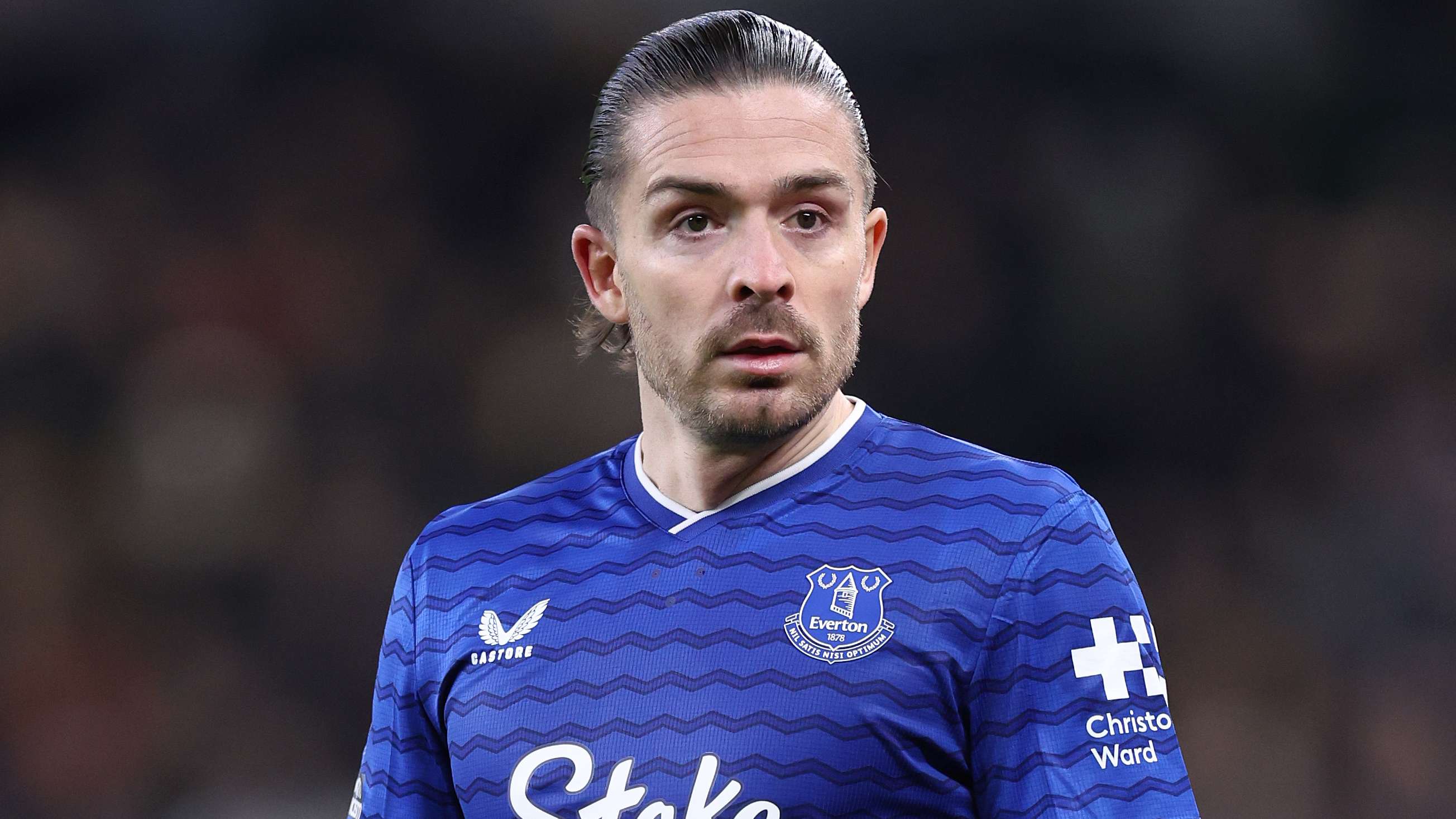
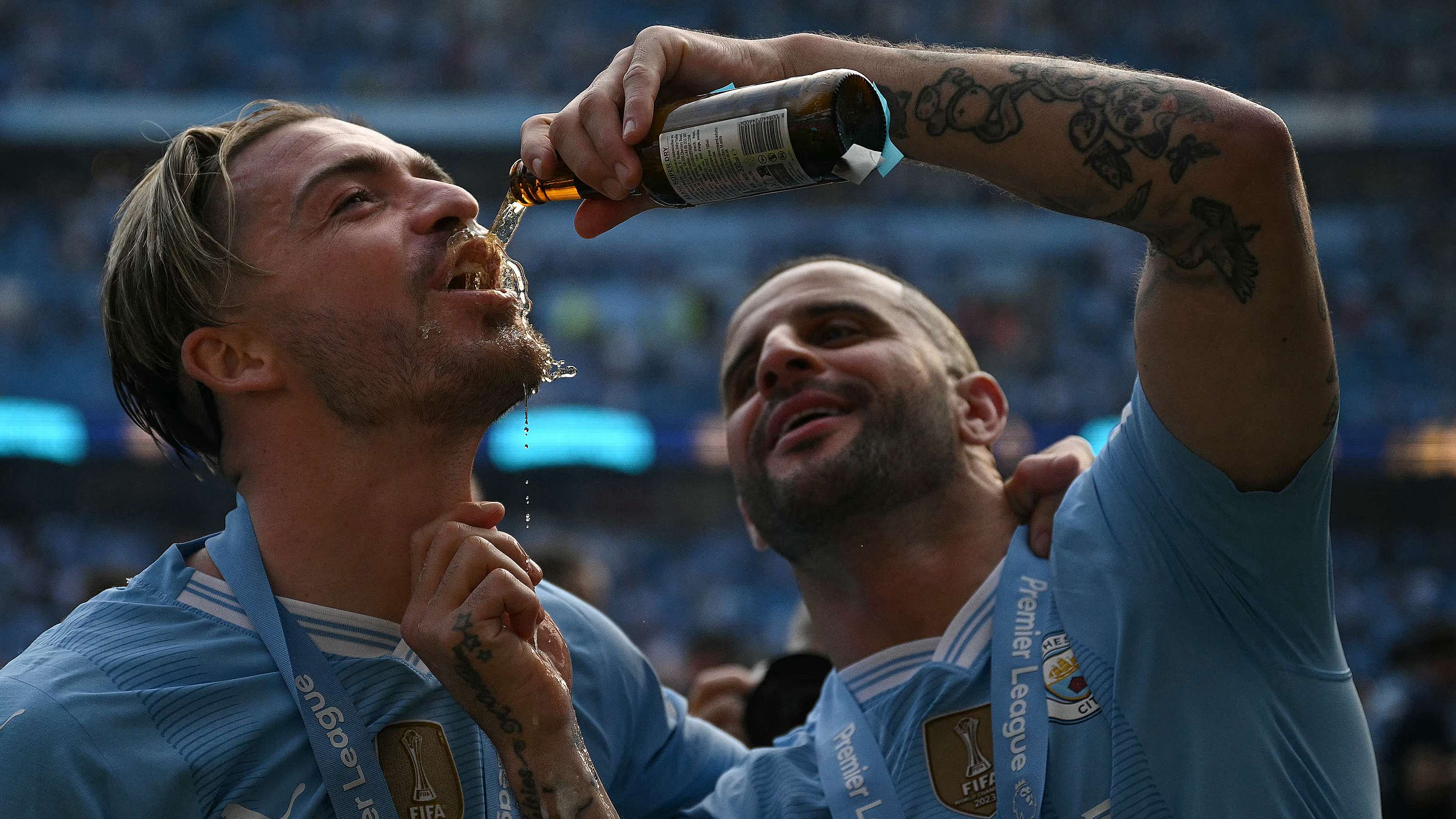

David Moyes, the manager of Everton, recently revealed that Jack Grealish was unable to play in their recent goalless draw against Burnley due to illness. This news comes just days after the Manchester City loanee was seen partying with his former teammate, Kyle Walker, in London.
The two talented England internationals were spotted enjoying a pre-Christmas celebration last weekend, sparking speculation about their commitment to their respective teams. While Grealish missed out on the match at Turf Moor, Walker, who is 35 years old, still took to the field and appeared to be in good form despite the festivities.
Moyes’ explanation for Grealish’s absence sheds light on the situation and quells any rumors about the player’s dedication to Everton. Illness is a common reason for players to miss matches, and it seems that Grealish was simply unlucky to fall ill at a crucial time in the season. With his talent and impact on the team, Everton fans will be hoping for a swift recovery for Grealish so he can return to the pitch and help secure important victories.
The incident involving Grealish and Walker partying together adds an interesting twist to the story. While it’s not uncommon for players to socialize outside of the pitch, the timing of their night out raised eyebrows among fans and pundits. However, it’s essential to remember that football players are also human beings who deserve to unwind and enjoy themselves off the field.
The dynamics of team chemistry and player relationships are crucial aspects of football that can influence a team’s performance. While it’s important for players to maintain professionalism and focus on their careers, it’s also vital for them to have a healthy work-life balance. Managing the pressures of professional football can be challenging, and moments of relaxation and camaraderie with teammates can help players recharge and bond.
In the case of Grealish and Walker, their night out may have been a way for them to destress and strengthen their friendship outside of their professional obligations. As long as it doesn’t impact their performance on the field or their commitment to their teams, occasional social gatherings can be beneficial for players’ mental well-being.
Overall, the situation involving Grealish, Walker, and Everton highlights the complexities of footballers’ lives and the balance they must strike between their personal and professional responsibilities. As fans, it’s essential to support players through both their triumphs and challenges and trust that they are doing their best to represent their clubs with pride and dedication. Let’s hope for Grealish’s swift recovery and a successful return to the pitch for Everton.
The Importance of Player Health and Well-being in Football
David Moyes’ recent revelation about Jack Grealish’s absence from Everton’s match due to illness sheds light on the critical importance of player health in competitive football. Despite the demands of the sport, players are not immune to illnesses that can sideline them from crucial matches. This underscores the need for clubs to prioritize the well-being of their players and provide necessary support for their physical and mental health.
Professionalism and Personal Life Balance in Football
The incident involving Grealish and Walker’s night out also raises questions about the balance between professionalism and personal life in football. While players are expected to maintain a high level of dedication to their teams, they are also entitled to enjoy downtime and socialize with friends. It is essential for fans and the media to respect players’ privacy and understand that they are entitled to moments of relaxation outside of their playing commitments.
Team Chemistry and Bonding Off the Field
The dynamics of team chemistry and bonding among players are crucial elements that can influence a team’s performance on the pitch. While professional relationships are essential, fostering strong bonds off the field can enhance communication, trust, and camaraderie within the team. Moments like Grealish and Walker’s night out can contribute to building a cohesive and supportive team environment, ultimately benefiting the team’s performance in the long run.
Supporting Players Through Challenges
As fans, it is important to recognize that footballers are human beings with their own set of challenges and struggles. Supporting players through both their successes and setbacks is crucial in fostering a positive and encouraging environment for their growth and development. By showing understanding and empathy towards players’ personal lives, fans can contribute to a more compassionate and supportive football culture.
Looking Ahead to a Positive Return for Grealish
As Jack Grealish focuses on his recovery from illness, Everton fans will be eagerly anticipating his return to the pitch to continue making a significant impact on the team. Grealish’s talent and dedication to the sport make him a valuable asset to the club, and his swift return will be a welcome sight for supporters. Let’s rally behind Grealish and show our unwavering support for his successful comeback to the team.
In conclusion, the complexities of footballers’ lives extend beyond the pitch, encompassing personal relationships, health challenges, and the need for work-life balance. By acknowledging and supporting players through their diverse experiences, we can contribute to a more compassionate and understanding football community. Let’s continue to cheer on our favorite players and clubs while recognizing the human side of the beautiful game.