

Lazio’s Transfer Decision: Why Gattuso and the Biancocelesti Opted Against Signing Mauro Icardi
In the ever-evolving landscape of football transfers, clubs continuously assess their options to strengthen their squads and improve their chances of success. Lazio, one of Italy’s most storied clubs, recently made headlines with their strategic decision not to pursue former Inter Milan star Mauro Icardi despite initial talks. This move has sparked widespread discussion among fans and analysts alike, prompting a closer look into the club’s transfer prediction and the rationale behind their choices.
The Context: Mauro Icardi’s Transfer Market Status
Mauro Icardi, renowned for his prolific goal-scoring ability and clinical finishing, has long been considered one of the top strikers in European football. After a successful stint at Inter Milan, where he became a club legend for his goal tally and leadership qualities, Icardi’s career took a series of intriguing turns. Most recently, he played for Galatasaray, but his departure from the Turkish club this summer has left him as a free agent, making him an attractive target for many teams seeking a proven goal scorer.
Despite his availability, Icardi has not yet secured a new club, leading to speculation about potential transfer fits and strategic moves across Europe’s top leagues. Transfer prediction models often highlight Icardi as a high-impact addition, especially for teams looking to bolster their attacking options without a lengthy transfer fee. However, Lazio’s decision not to proceed with signing him underscores the complexities involved in transfer negotiations and squad planning.
Gennaro Gattuso’s Perspective: Respecting the Squad and Strategic Planning
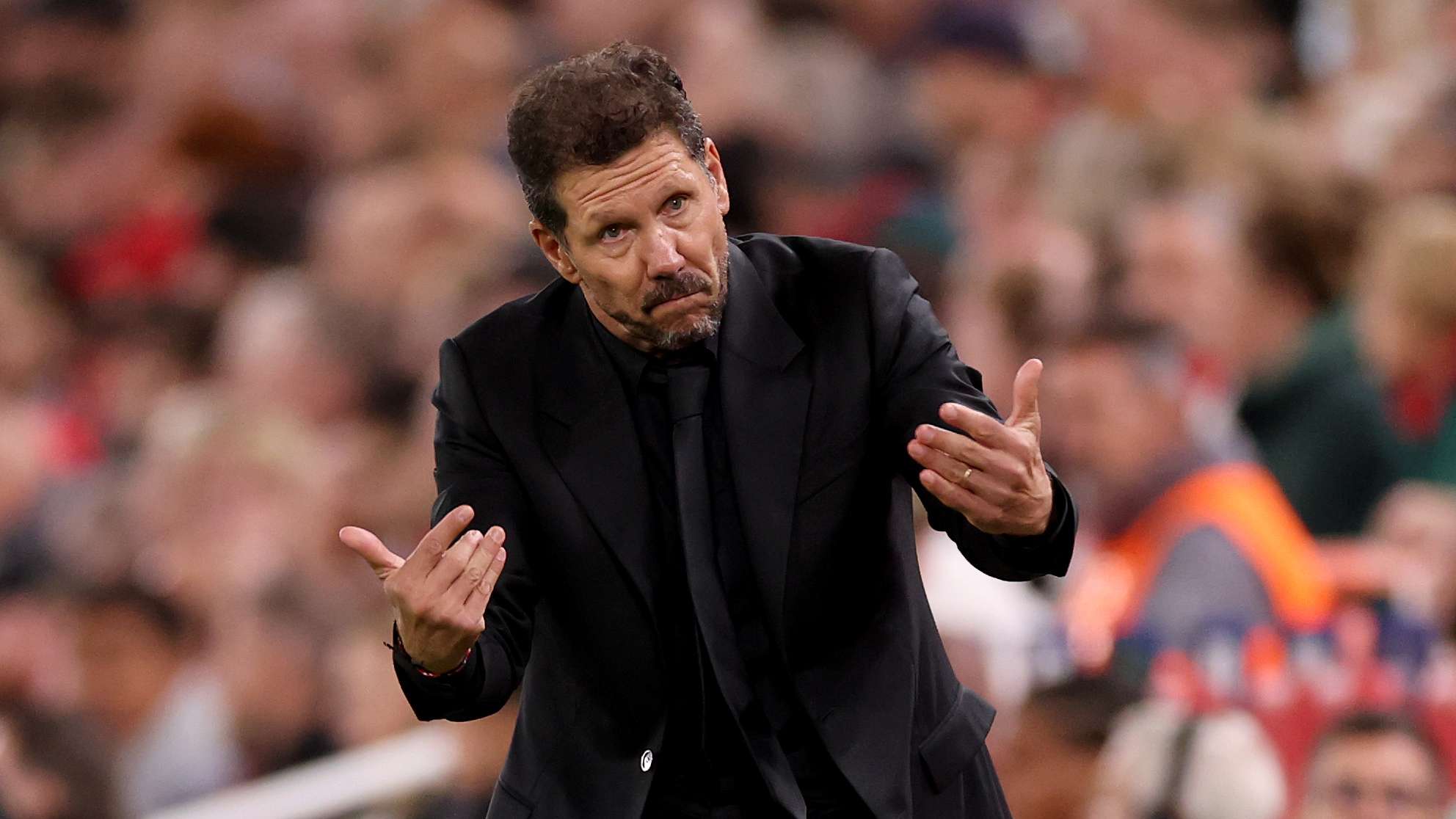
Gennaro Gattuso, Lazio’s head coach, recently shed light on the club’s transfer strategy during a candid interview. He explained that, although there was initial interest and discussions with Icardi’s camp, the club ultimately decided against signing the Argentine striker. Gattuso emphasized that this decision was rooted in respect for the existing forward line, as well as a carefully considered assessment of the team’s tactical needs and long-term vision.
“We had a conversation with Mauro’s representatives and explored the possibility,” Gattuso stated. “However, after analyzing our current squad and future plans, we concluded that adding another striker at this moment might disrupt our harmony and strategic development. We believe in the players we have and want to continue building around them.”
This explanation highlights the importance of squad stability and the importance of transfer prediction in maintaining team cohesion. Lazio’s management appears to prioritize a balanced, well-integrated squad over the allure of signing a high-profile free agent, even one as talented as Icardi.
The Role of Transfer Prediction Models in Club Decision-Making
Modern football clubs increasingly rely on sophisticated transfer prediction models to inform their recruitment strategies. These models analyze various factors—player performance metrics, team chemistry, tactical fit, salary demands, and market conditions—to forecast the potential impact of a transfer.
In Lazio’s case, transfer prediction tools likely indicated that adding Icardi might not align with their tactical setup or financial considerations. While Icardi’s goal-scoring record is impressive, his style of play and off-field dynamics may not have fit seamlessly into Gattuso’s tactical philosophy or the club’s broader vision.
Moreover, teams must consider the impact of new signings on squad harmony. A high-profile transfer, while attractive on paper, can sometimes disrupt existing chemistry, especially if the player’s style differs significantly from current squad members. Lazio’s decision reflects a strategic approach where the club evaluates not only the individual talent but also the predicted integration and team dynamics.
Strategic Focus on Developing Existing Talent
Instead of pursuing high-profile free agents like Icardi, Lazio appears to be committed to nurturing their current squad. This approach aligns with a broader trend among top European clubs that prioritize sustainable growth and internal development. Gattuso has expressed confidence in the players already within the squad, emphasizing their potential and the importance of collective effort.
By focusing on existing talent, Lazio aims to build a cohesive team that functions seamlessly on the pitch. Such an approach also minimizes potential disruptions caused by transfer adjustments, enabling the team to maintain tactical consistency and foster player chemistry.
Additional Context: The Broader Transfer Market Trends
The decision not to sign Mauro Icardi also reflects broader trends in the football transfer market. Clubs are increasingly cautious about overspending, especially given the financial uncertainties stemming from recent global events. Transfer prediction models help clubs avoid costly mistakes by providing data-driven insights into potential signings.
Furthermore, the high-profile nature of Icardi’s potential transfer would have likely attracted significant media attention, adding pressure to the club and its players. Lazio’s choice to prioritize squad stability over headline-grabbing signings demonstrates a mature, strategic approach to transfer planning.
What’s Next for Lazio and Their Transfer Strategy?
Looking ahead, Lazio’s transfer prediction models will continue to play a crucial role in shaping their recruitment plan. The club may focus on emerging talents, promising young players, or seasoned professionals who complement their tactical philosophy. Their current stance suggests an emphasis on building a balanced squad capable of competing at the highest levels without relying solely on marquee signings.
Fans and analysts will be keenly watching how Lazio navigates the upcoming transfer windows, especially in the context of the competitive Serie A landscape. The club’s decision not to pursue Icardi underscores a confidence in their strategic process, one that values long-term stability and team cohesion over short-term fame.
Conclusion
The Lazio transfer decision to refrain from signing Mauro Icardi, despite initial talks, highlights the importance of strategic planning, squad harmony, and data-driven transfer prediction models in modern football. Under Gennaro Gattuso’s leadership, the club has prioritized stability and internal development, believing that their current forward line can deliver success without additional high-profile signings.
As the transfer market continues to evolve, Lazio’s approach exemplifies a thoughtful, calculated strategy—balancing ambition with sustainability. Fans can remain optimistic, knowing that their club is making informed decisions aimed at building a cohesive, competitive team capable of achieving their sporting goals in the seasons to come.