
Real Madrid Escalates Its Dispute With La Liga President Javier Tebas
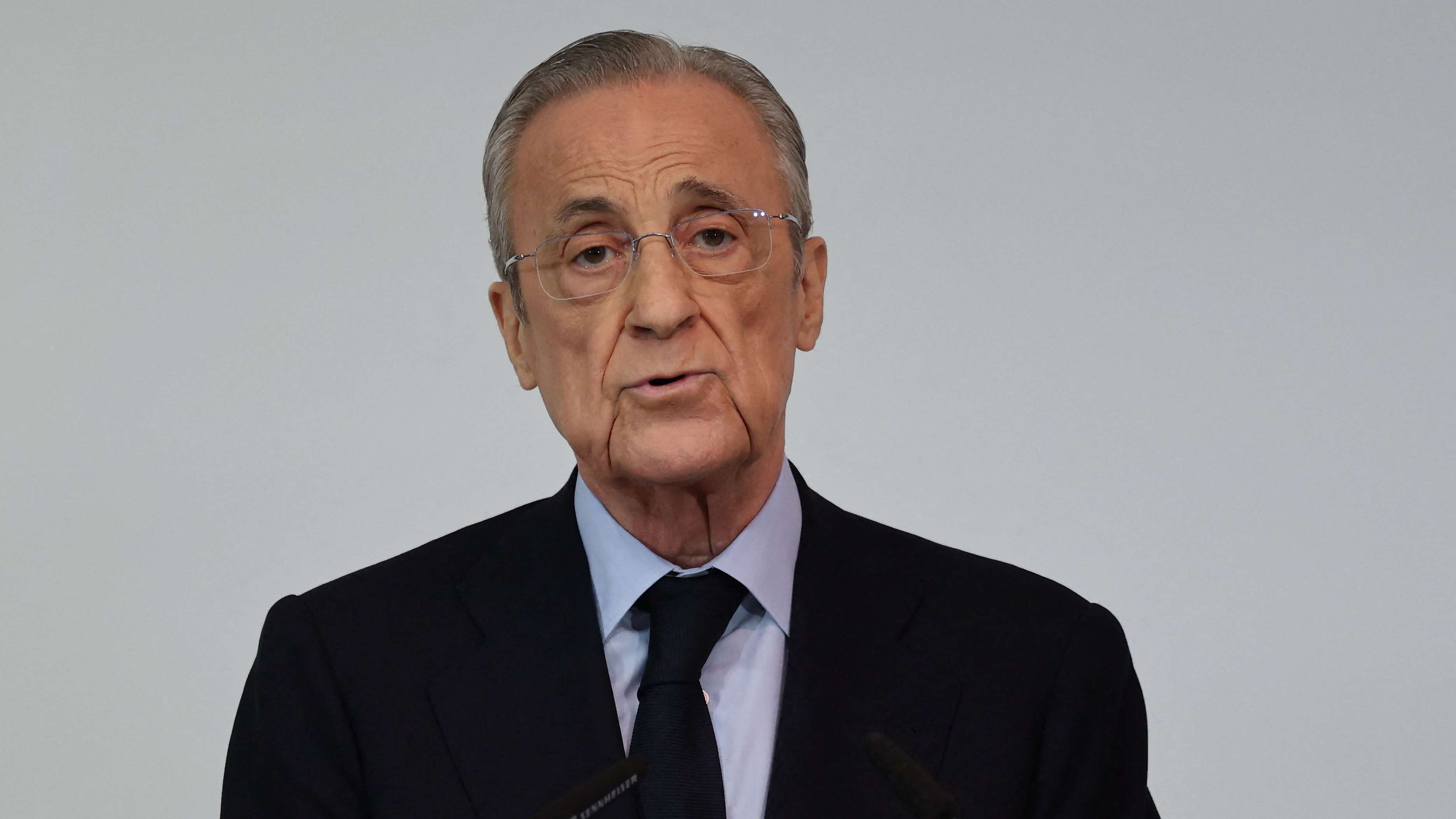
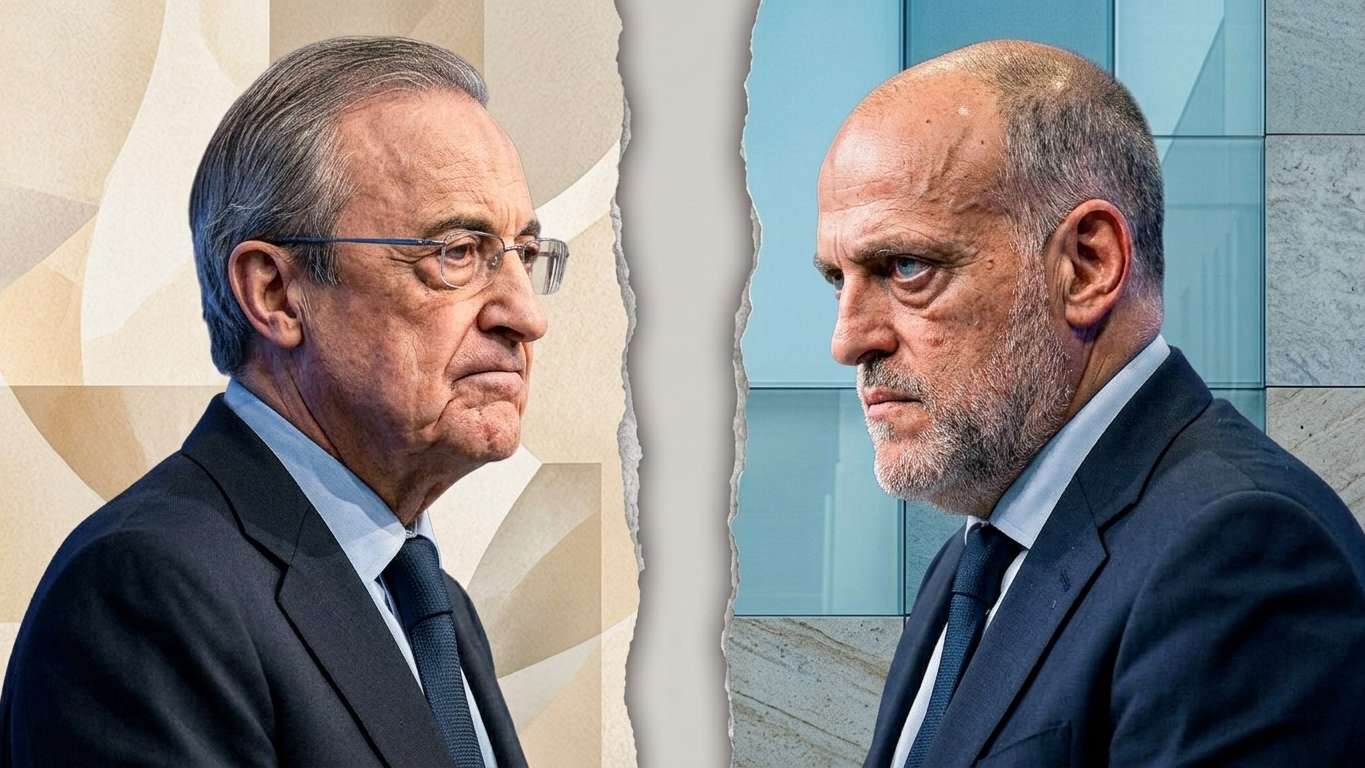
Real Madrid has taken its public confrontation with La Liga president Javier Tebas to a new level, using its official website to highlight international criticism of his remarks about the club’s television channel. The move signals that the dispute is no longer being presented as a domestic disagreement: Madrid wants football audiences around the world to see it as a serious controversy with consequences for Spanish football’s leadership.
The row centres on Tebas’s comparison between the style of Real Madrid TV’s coverage and propaganda methods associated with Nazi Germany. Madrid has condemned the analogy as unacceptable and has called for Tebas to resign from both his position as president of the Spanish league association and his role as a vice-president of the Royal Spanish Football Federation. Tebas’s comments have prompted a sharp response from the club and intensified tensions between two of the most influential forces in Spanish football.
Why Real Madrid Is Highlighting International Reaction
In its online article, Madrid collected reports and commentary from media organisations in Germany, France, Italy, Britain, the United States and Argentina. The selection gives the club a way to show that the controversy has attracted attention well beyond Spain, while reinforcing its argument that Tebas’s words have damaged the standing of his office.
That approach is also a form of strategic communication. In modern football, disputes between clubs and league officials are played out not only in formal meetings and statements but across websites, broadcasts and social media. By gathering international coverage in one place, Madrid can frame the story for supporters and readers who may not have followed the original exchange. The club’s message is clear: it believes the remarks crossed a line that cannot be dismissed as routine rivalry or heated rhetoric.
The dispute also reflects a longstanding tension between Real Madrid and La Liga’s leadership. The club has frequently challenged the league over governance, commercial strategy and the way Spanish football is represented publicly. The latest episode has brought those broader disagreements into sharper focus, although the immediate issue remains the comparison Tebas made and the consequences Madrid says should follow.
German Magazine Kicker Says Tebas Crossed a “Red Line”
Among the strongest reactions cited by Real Madrid came from Germany’s Kicker, a prominent football magazine. Madrid highlighted the headline: “It is an insult to the victims. Tebas must resign.” The publication reportedly argued that the league president had crossed “the red line in an irreparable way,” pointing to the historical weight of the Nazi comparison.
The language matters because references to Nazi propaganda carry exceptional sensitivity in Germany, where the history of the regime and the persecution and murder of millions remain central to public life. For critics, comparing a football broadcaster’s tone or methods with those of Nazi propagandists risks trivialising a profoundly serious period of history. That concern has helped turn a dispute over media criticism into a wider debate about responsibility and the limits of public language.
Madrid’s decision to foreground the German reaction suggests it wants the historical dimension of the controversy to remain central. The club is not simply disputing Tebas’s assessment of its television channel; it is arguing that the comparison itself was improper and incompatible with the responsibilities of a senior football administrator.
French and Italian Coverage Adds to the Pressure
French sports newspaper L’Équipe also reported on Madrid’s demand for Tebas to leave office, describing the dispute in connection with his comparison between Real Madrid TV and propaganda linked to Joseph Goebbels, a leading figure in Nazi Germany’s propaganda apparatus. The coverage placed the controversy within a broader European discussion about how football leaders communicate and the impact their words can have.
In Italy, La Gazzetta dello Sport characterised the situation as a clash within Spanish football. Its reporting reflected the scale of the disagreement and the significance of Madrid’s call for Tebas’s immediate departure. When major European sports outlets cover a governance dispute, the story can influence how international supporters, sponsors and football officials view the league’s leadership.
British, American and Argentine outlets were also included in Madrid’s media round-up. The club pointed to coverage from the BBC, ESPN and Argentina’s Olé, illustrating how the controversy has travelled across different football markets. Each publication reaches a distinct audience, but together they show that the dispute has become a recognisable international football story rather than an internal Spanish argument.
What Could Happen Next in the La Liga Dispute?
The immediate question is whether the pressure will lead to any formal action. Real Madrid has demanded Tebas’s resignation from his positions in Spanish football, but a public call for him to step down does not automatically trigger a change in leadership. Any outcome may depend on the response from the relevant governing bodies, the reaction of other clubs and whether Tebas offers a clarification or apology.
For now, the dispute is likely to remain part of the wider conversation surrounding La Liga’s governance. The league must balance its authority with the need to maintain constructive relationships with its clubs, particularly its most internationally prominent teams. At the same time, Real Madrid’s campaign places pressure on other football figures to state whether they consider Tebas’s comments acceptable.
There are also practical consequences to consider. A prolonged conflict between the league president and one of Spain’s biggest clubs can distract from competition, commercial planning and efforts to promote La Liga abroad. Supporters may be left asking whether the disagreement will affect league relations, future negotiations or the public image of Spanish football. Any prediction about the outcome remains uncertain, but the prominence of international coverage makes it harder for either side to treat the episode as a passing exchange.
A Public Relations Battle With Wider Implications
Real Madrid’s publication of foreign media reaction is both a response to Tebas and an attempt to influence how the controversy is understood. By presenting criticism from respected outlets, the club has strengthened its case that the remarks deserve serious scrutiny. Tebas, meanwhile, faces growing attention over the language he used and the responsibilities attached to his leadership roles.
The next steps will depend on whether the confrontation moves from public statements to institutional action. Until then, the disagreement is likely to remain a prominent story in football news, with consequences for the relationship between Real Madrid and La Liga—and potentially for the league’s reputation beyond Spain. What began as a dispute over a television channel has become a test of judgment, accountability and leadership in one of Europe’s most closely watched football competitions.