
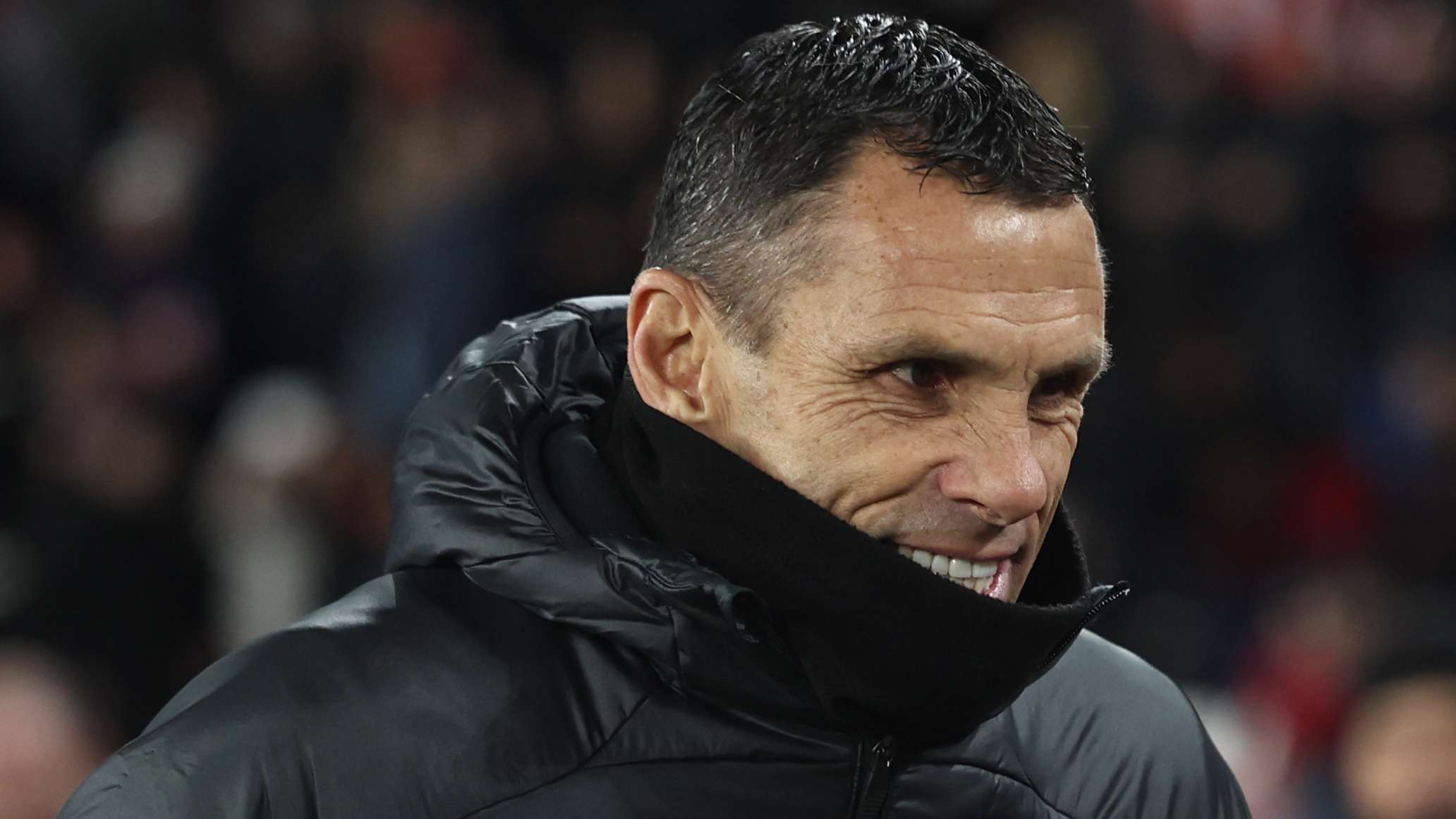

Former Premier League manager, Gus Poyet, has made the shocking decision to step down from his position at South Korean club Jeonbuk Hyundai Motors. This move comes in the wake of a racism scandal that has rocked the team, following the departure of his assistant manager, Mauricio Taricco.
Poyet, who had been instrumental in guiding Jeonbuk to victory in both the K League 1 title and the Korea Cup this season, cited the controversy surrounding Taricco as the reason for his departure. Taricco was recently punished by league officials for what was deemed a racist gesture towards referee Kim Woo-seong. The incident has not only tarnished the reputation of the club but has also raised serious concerns about racism in football.
The news of Poyet’s resignation has sent shockwaves through the footballing world, with many fans and pundits expressing their disappointment at the situation. Poyet had been seen as a promising manager with a bright future ahead of him, but this latest development has cast a shadow over his career.
In a statement released by the club, Poyet expressed his regret over the events that had unfolded and stated that he felt it was in the best interest of both himself and the club to part ways. He also emphasized his commitment to fighting against racism in football and expressed his hope that the sport would continue to make progress in this area.
The departure of Poyet is a major blow to Jeonbuk Hyundai Motors, as he had been instrumental in their recent success on the pitch. His leadership and tactical acumen had helped the team to achieve great results and establish themselves as one of the top clubs in South Korea. It remains to be seen how the team will cope with his absence and whether they will be able to maintain their winning streak without him at the helm.
As football fans around the world digest this news, many are left wondering about the future of Jeonbuk Hyundai Motors and what impact Poyet’s departure will have on the team. The club will now be faced with the challenging task of finding a new manager to lead them forward and build on the successes of this season.
In the meantime, the football community continues to grapple with the issue of racism in the sport and how best to address it. The events at Jeonbuk Hyundai Motors serve as a stark reminder that there is still much work to be done to eradicate racism from football and create a more inclusive and welcoming environment for all players, coaches, and fans alike.
The Impact of Gus Poyet’s Departure on Jeonbuk Hyundai Motors
Gus Poyet’s abrupt departure from his position as the manager of Jeonbuk Hyundai Motors has left both fans and football pundits wondering about the future of the South Korean club. Poyet’s tenure at the club had been marked by success, with the team clinching both the K League 1 title and the Korea Cup under his guidance. His tactical acumen and leadership had been key in Jeonbuk’s recent achievements on the pitch.
With Poyet no longer at the helm, Jeonbuk Hyundai Motors will face the challenge of finding a suitable replacement to continue the team’s winning streak. The sudden departure of a manager of Poyet’s caliber can often disrupt a team’s momentum and dynamics, making it crucial for the club to act swiftly in appointing a new leader who can seamlessly step into the role.
Moreover, Poyet’s departure also raises questions about the team’s future performance and whether they can sustain their success without his guidance. The incoming manager will have big shoes to fill and will need to quickly acclimate to the team and its style of play in order to maintain Jeonbuk’s competitive edge in the league.
The Continued Fight Against Racism in Football
The racism scandal that led to Poyet’s resignation has reignited conversations about discrimination in football and the urgent need to address and eradicate racist behavior within the sport. The incident involving Mauricio Taricco’s alleged racist gesture towards a referee highlights the ongoing challenges that football clubs face in creating inclusive and respectful environments for all individuals involved in the game.
Poyet’s strong stance against racism in his departing statement underscores the importance of taking a firm stand against discriminatory behavior in football. The sport has made progress in recent years in combating racism, but incidents like the one at Jeonbuk Hyundai Motors serve as a stark reminder that there is still work to be done to ensure that football remains a safe and welcoming space for players, coaches, and fans of all backgrounds.
As the football community grapples with the fallout of this scandal, it is imperative that clubs, leagues, and governing bodies continue to prioritize education, awareness, and zero-tolerance policies when it comes to discrimination. By actively addressing and combating racism in all its forms, football can work towards creating a more inclusive and equitable environment for everyone involved.
In conclusion, Gus Poyet’s departure from Jeonbuk Hyundai Motors has not only left a void at the club but has also shed light on the persistent issue of racism in football. As the team navigates this period of transition, it is essential for the football community to come together in solidarity against discrimination and work towards a future where the sport is truly inclusive and welcoming to all.