
Malang Sarr’s Transfer Controversy and Security Concerns: An In-Depth Look at a Shocking Incident in Spain
The world of professional football is often glamorized for its dazzling transfers, high-profile matches, and global fanbase. However, beneath the glittering surface lies a complex web of negotiations, financial disputes, and, increasingly, security risks. Recently, former Chelsea and Lens defender Malang Sarr found himself at the center of a distressing incident during his summer pre-season in Spain, highlighting troubling issues surrounding player safety, transfer prediction uncertainties, and the darker side of football’s transfer market.
The Shocking Encounter in Marbella: A Close Call for Malang Sarr
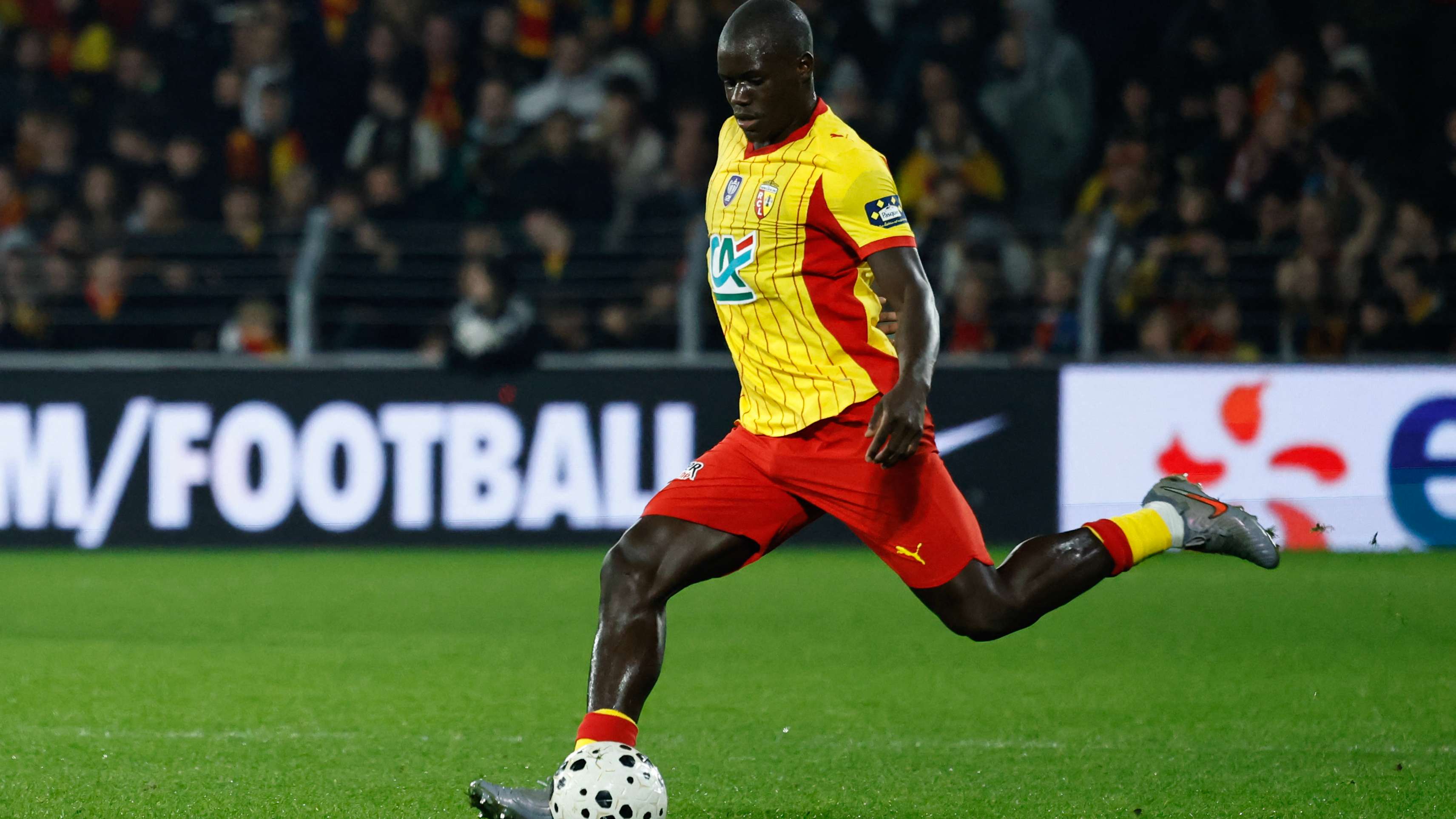
Malang Sarr, a talented French defender who has played for clubs like Chelsea, Monaco, and Lens, was reportedly subjected to a terrifying ambush while enjoying a meal at a luxury resort in Marbella. The 27-year-old was in Spain as part of his pre-season preparations with his new club, Neom SC, a rising Saudi Arabian football powerhouse aiming to make a statement in the Middle East’s competitive league.
According to eyewitness reports and sources close to the player, the incident unfolded unexpectedly. Sarr was dining with two of his new teammates when a black van pulled up outside the upscale hotel. A group of men disembarked swiftly, approaching the table with a menacing intent. This calculated ambush was reportedly driven by an ongoing dispute over agent commissions—a common but often overlooked issue that can escalate into dangerous situations.
The confrontation was intense and reportedly involved threats and aggressive tactics meant to intimidate Sarr into paying a disputed fee. The incident, which has been described as an “ambush,” underscores the peril that some players face off the pitch, especially when transfer negotiations become contentious and involve third-party intermediaries. Such scenes not only threaten player safety but also cast a shadow over the professionalism of football’s transfer ecosystem.
The Roots of the Transfer Dispute: Unpacking the Commission Controversy
The crux of the incident appears to revolve around a disagreement over agent commissions related to Sarr’s recent transfer to Neom SC. Transfers in professional football often involve hefty fees, with agents typically receiving a percentage as part of their compensation. When players switch clubs or change representation, conflicts over these fees can ignite disputes that sometimes spiral into legally or physically threatening situations.
In Sarr’s case, the conflict reportedly stems from a change in his representation or a decision to bypass certain intermediaries during his career transitions. After a challenging stint at Chelsea, where he struggled for regular playing time and was loaned to Monaco, Sarr sought a fresh start with Lens and later made his high-profile move to Saudi Arabia. However, the dispute over commissions linked to these transfers has reportedly persisted, with some parties claiming owed fees—claims that have, in extreme circumstances, led to intimidation tactics like the Marbella ambush.
Experts in football transfer law emphasize that such incidents highlight the need for clearer regulations and transparency in the agent market. The lack of standardized oversight can make high-stakes negotiations susceptible to exploitation, with players and clubs caught in the crossfire. Critics argue that the industry should move towards more regulated processes—perhaps involving licensed legal professionals—to prevent disputes from escalating into violence or public scandals.
Implications for Player Safety and the Future of Football Transfers
The Marbella incident has reignited ongoing debates about the security protocols for professional athletes, especially those involved in high-profile transfers. Despite the presence of private security teams, pre-season camps and training sessions often lack the robust safeguards needed to prevent such brazen attacks. The fact that Sarr was in a public dining area when the ambush occurred highlights how accessible footballers can be to individuals with malicious intent.
This raises pressing questions: Should clubs implement stricter security measures during travel and training? Would employing dedicated security professionals or legal representatives to oversee negotiations reduce risks? The incident has also prompted calls for reform within football governance to better protect players from intimidation and violence, especially in regions experiencing rapid football development like the Middle East.
Furthermore, some voices in the football community are advocating for a shift towards legal professionals—such as accredited lawyers—to handle transfer negotiations and contract disputes. This approach aims to reduce reliance on unregulated agents, thereby minimizing potential for conflicts and ensuring that disputes are settled through legal channels rather than intimidation tactics.
What’s Next for Malang Sarr? Recovery, Reflection, and the Road Ahead
While the incident in Marbella was undoubtedly traumatic, Sarr is expected to continue his career with Neom SC, a club that has quickly positioned itself as a major player in the Saudi Pro League. The defender, known for his composure, tactical awareness, and leadership qualities, is eager to refocus on his football and help his new team climb the league standings.
From a prediction standpoint, Sarr’s transfer to Saudi Arabia could signal a broader trend of European players making high-profile moves to the Middle East, driven by lucrative contracts and emerging football markets. Such moves are often viewed as strategic decisions, but incidents like the Marbella ambush serve as cautionary tales about the unseen risks involved in international transfers.
Football authorities and governing bodies are expected to review this case as part of their ongoing efforts to improve player safety. Ensuring secure environments during training camps, implementing stricter security protocols, and reforming the transfer negotiation process are likely to be discussed in future policy reviews.
Conclusion: A Wake-Up Call for Football’s Transfer Ecosystem
The frightening ordeal faced by Malang Sarr in Marbella is more than an isolated incident; it exposes systemic issues within football’s transfer and representation landscape. As the sport continues to globalize and attract big-money deals, safeguarding players from intimidation, violence, and exploitation must become a priority.
This incident also underscores the importance of prediction models and risk assessment tools in the transfer process. Clubs, players, and agents alike need to anticipate potential disputes and security risks, allowing for proactive measures. In the long run, fostering transparent, regulated, and ethically sound transfer practices will be essential to protect the integrity of the sport and the wellbeing of those who dedicate their lives to it.
As Malang Sarr recovers from this harrowing experience, his resilience and professionalism will undoubtedly be tested. His journey reflects not just a personal challenge but a broader call for the football community to prioritize safety, transparency, and fairness—values that are fundamental to the beautiful game’s future.