
Barcelona Face Real Madrid’s Set-Piece Threat as Flick Confirms Koundé Absence
Barcelona head into Sunday’s El Clásico knowing they must contain one of Real Madrid’s most effective weapons: set pieces. Head coach Hansi Flick has acknowledged the danger posed by Madrid’s dead-ball delivery and aerial strength, while confirming that defender Jules Koundé will miss the La Liga meeting as the club avoids taking unnecessary risks with his fitness.
The fixture, scheduled for October 26, 2026, is part of the league’s 10th round and arrives with both sides carrying the pressure and expectation that come with Spanish football’s biggest rivalry. For Barcelona, the challenge is not only to match Madrid’s attacking quality but also to defend with greater discipline than they did in their recent European defeat in Paris.
Flick Warns Barcelona About Madrid’s Quality
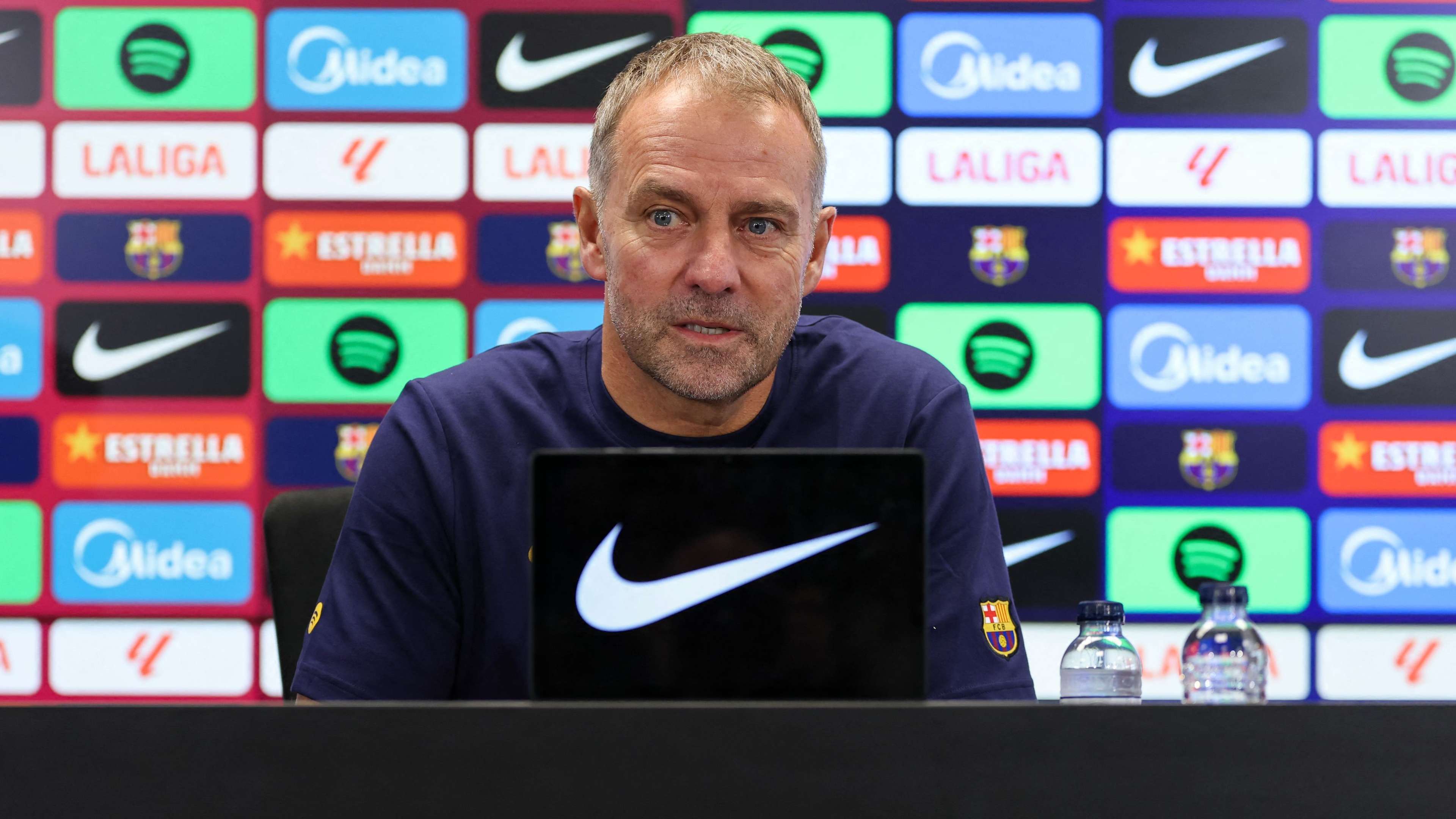
Speaking at his pre-match press conference, Flick described Real Madrid as a confident opponent with outstanding individual talent and a strong coaching setup. He said Barcelona should expect to face a team that believes in its ability and has delivered good performances in recent matches.
That assessment reflects the scale of the task facing the Catalan side. Madrid’s threat is not limited to one player or one style of attack. The team can build patiently, break quickly, and use its forwards’ pace and movement to punish defensive mistakes. Flick specifically highlighted the quality of Madrid’s front line, an area Barcelona will need to monitor closely throughout the match.
El Clásico often turns on small details as much as headline moments. A missed assignment, a poorly timed challenge, or a lapse in concentration can quickly change the direction of a game. Flick’s comments suggest Barcelona are preparing for a contest in which defensive organization will be just as important as their ability to create chances.
Set Pieces a Major Part of Barcelona’s Preparation
One of Flick’s clearest concerns is Real Madrid’s strength from set pieces. Free kicks and corners offer Madrid a way to create danger even when Barcelona have limited space in open play. With players capable of delivering accurate crosses and attacking the ball in the air, the visitors can turn a routine restart into a decisive opportunity.
Flick confirmed that Barcelona had discussed and worked on set-piece situations in training. He also acknowledged that his team must defend better than it did against Paris Saint-Germain. That reference points to a key area of improvement: Barcelona need to be more decisive when clearing the ball, more coordinated in their marking, and more alert to second balls after the initial delivery.
Defending a corner is rarely just about winning the first header. Teams must also protect the space around the penalty area, track late runners, and react quickly if the ball drops in a crowded zone. Against Madrid, any hesitation could give the attackers another chance to shoot or deliver the ball back into the danger area.
For Barcelona, the tactical answer will likely involve a combination of clear communication and controlled aggression. The defenders must challenge confidently without giving away avoidable fouls in dangerous positions. At the same time, the midfielders and forwards may have an important role in helping the team retain possession after a clearance, reducing the number of repeat attacks Madrid can build.
Koundé Ruled Out as Barcelona Manage Defensive Options
Barcelona will not have Koundé available for the match. Flick said the club does not want to risk the defender and accepts that he will be absent. While the decision removes a valuable option from the back line, it also indicates that Barcelona are prioritizing his recovery rather than gambling on a quick return for a high-pressure fixture.
Koundé’s absence could influence Barcelona’s defensive balance, particularly against Madrid’s pace and movement in the final third. His ability to cover space and compete in one-on-one situations can be important in a match where the defensive line may be tested repeatedly. Barcelona will therefore need the available defenders to stay compact and support one another, especially when Madrid attack down the channels.
Flick’s comments also underline the importance of managing the squad across a demanding season. A Clásico carries enormous significance, but returning a player before he is ready can create a longer-term problem. Barcelona’s coaching and medical staff will have to judge how best to distribute minutes and preserve the fitness of the players who are available.
Olmo Injury Adds to Barcelona’s Concerns
Flick also addressed the absence of Dani Olmo, describing the midfielder as a player who had been in excellent form and was fully fit before his latest setback. The Barcelona coach said Olmo had been unlucky and is expected to miss a number of matches, a difficult situation for both the player and the team.
Olmo’s creativity and ability to operate between the lines can give Barcelona another route into the opposition penalty area. Without him, the team may need to rely on different combinations in midfield and attack, with greater responsibility falling on the players who remain available. His absence could affect Barcelona’s ability to vary their attacking approach, particularly if Madrid defend deep or crowd the central areas.
However, Flick pointed to Fermín López as an alternative. The midfielder offers energy, forward runs, and a willingness to arrive in dangerous positions. While he brings a different profile from Olmo, his inclusion could give Barcelona a more direct attacking option and help the team press aggressively when possession is lost.
El Clásico Prediction: Fine Margins Could Decide the Match
Any football prediction for El Clásico must account for the uncertainty that comes with a rivalry of this scale. Real Madrid’s confidence and set-piece threat make them dangerous, while Barcelona will hope their preparation, home support, and attacking quality can help them control the contest. The absence of Koundé and Olmo adds complications, but it does not remove Barcelona’s ability to compete.
The opening stages may be especially important. If Barcelona can keep the game calm, protect against counters, and avoid conceding unnecessary corners or free kicks, they can reduce Madrid’s clearest route to goal. If Madrid establish pressure early, Barcelona may be forced into a more reactive match than Flick would prefer.
Ultimately, the result may depend on which side handles the key moments better. Barcelona need sharper set-piece defending and disciplined protection of their back line, while Madrid will look to exploit their attacking depth and confidence. With two elite teams meeting under intense scrutiny, the most reliable prediction is that concentration, fitness, and execution will matter as much as reputation.