
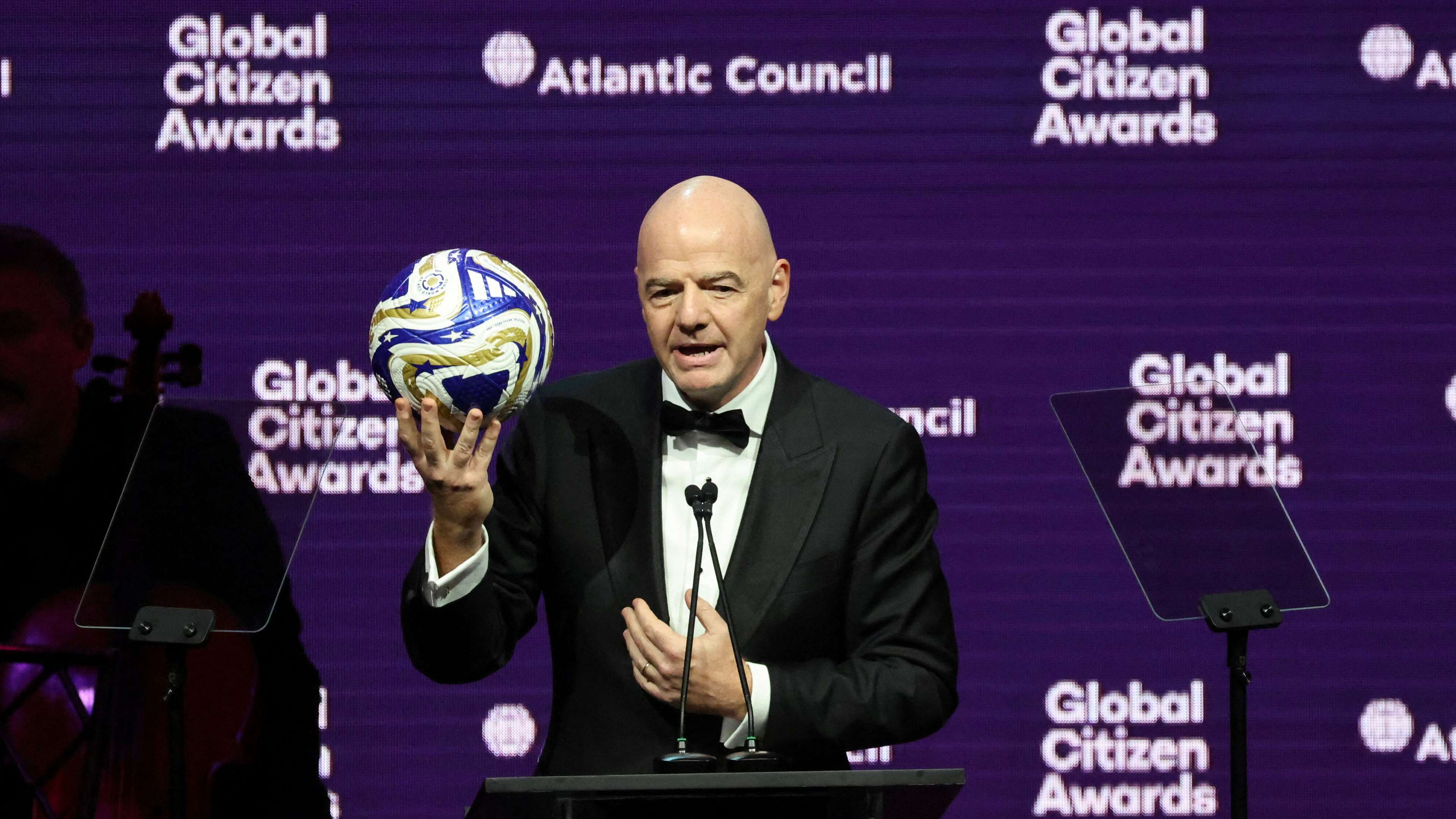

FIFA Unlikely to Expand World Cup to 64 Teams for 2030 Despite CONMEBOL Recommendations
FIFA, the governing body of world football, is reportedly hesitating on a proposal to enlarge the World Cup from 48 to 64 teams for the 2030 tournament. This decision comes despite strong recommendations from CONMEBOL, the South American Football Confederation, as well as influential leaders from South American Football Associations and several presidents from the continent.
Internal Skepticism Surrounding Expansion Proposal
According to a report by The Guardian, FIFA has taken note of the proposal to expand the prestigious tournament but is met with internal skepticism about the feasibility and implications of such a move. While the governing body will share the proposal with its stakeholders, it seems unlikely to move forward with the expansion at this time.
The proposal to expand the World Cup to 64 teams for 2030 has sparked discussions and debates within the football community, with supporters and critics voicing their opinions on the matter. Proponents of the expansion argue that it would allow for more countries to participate in the tournament, increasing diversity and inclusivity in international football. However, opponents raise concerns about diluting the quality of the competition and potential logistical challenges that come with accommodating more teams.
CONMEBOL’s Strong Push for Expansion
CONMEBOL, which represents the football associations of South America, has been a vocal supporter of expanding the World Cup to 64 teams. The organization believes that such a move would benefit football globally and provide more opportunities for countries to showcase their talent on the world stage. Leaders from various South American Football Associations have also thrown their weight behind the proposal, emphasizing the potential positive impact it could have on the sport.
Despite the strong backing from CONMEBOL and South American football leaders, FIFA’s reluctance to move forward with the expansion raises questions about the future of the World Cup format. The governing body must carefully consider the implications of any changes to ensure the integrity and competitiveness of the tournament are maintained.
Future of World Cup Expansion
As discussions continue within FIFA regarding the potential expansion of the World Cup to 64 teams for 2030, the football community eagerly awaits a final decision on the matter. While the proposal has garnered support from some quarters, it remains to be seen whether FIFA will ultimately greenlight the enlargement of the tournament.
For now, fans and stakeholders will have to wait for further updates from FIFA as the governing body navigates the complexities of expanding the World Cup while balancing the interests of all parties involved. The debate over the future of the prestigious tournament continues, with the football world watching closely to see how it unfolds.
In conclusion, while the proposal to expand the World Cup to 64 teams for 2030 has generated excitement and controversy within the football community, FIFA’s hesitation signals that a final decision on the matter is still pending. As discussions evolve and different perspectives are considered, the future of the World Cup format remains uncertain, leaving fans and stakeholders eagerly anticipating the governing body’s next move.
Impact of World Cup Expansion on Developing Nations
One key aspect to consider in the debate over expanding the World Cup to 64 teams is the potential impact on developing nations. Proponents of the expansion argue that it would provide more opportunities for countries with emerging football talent to participate on the global stage. By increasing the number of teams, smaller nations that may struggle to qualify under the current format could have a chance to showcase their skills and gain valuable experience.
Additionally, expanding the World Cup could lead to increased investment in football infrastructure and development programs in developing countries. As these nations strive to compete at a higher level, there may be a greater emphasis on nurturing young talent, improving facilities, and growing the sport in regions where it may currently be underfunded or overlooked.
Logistical Challenges and Considerations
While the idea of a 64-team World Cup may seem appealing in theory, there are practical challenges that FIFA must address before moving forward with the expansion. One major concern is the impact on the tournament schedule and format. With more teams participating, there could be logistical challenges in terms of venue availability, travel arrangements, and scheduling matches in a way that ensures fairness and efficiency.
Moreover, expanding the World Cup could also raise questions about the quality of competition and whether diluting the field with more teams would impact the overall excitement and competitiveness of the tournament. FIFA will need to carefully weigh these factors and consider how to balance inclusivity with maintaining the prestige and integrity of the World Cup.
Global Football Landscape and Diversity
Another aspect to consider in the debate over World Cup expansion is the potential impact on the global football landscape. By including more teams from diverse regions, FIFA has the opportunity to further promote inclusivity and diversity in the sport. A larger tournament could lead to increased representation from underrepresented regions, showcasing the talent and passion for football that exists around the world.
Additionally, expanding the World Cup could have positive effects on the popularity of the sport in regions where it may be less prominent. By giving more countries the chance to participate in the tournament, FIFA could help grow the fan base and interest in football in areas where it has the potential to flourish.
Final Thoughts
While the proposal to expand the World Cup to 64 teams for 2030 has sparked intense debate and speculation, FIFA’s cautious approach indicates that a decision on the matter is still up in the air. As discussions continue and different perspectives are weighed, it is clear that the future of the World Cup format will be a topic of interest and contention in the football community for some time to come.
Ultimately, whatever decision FIFA makes regarding the potential expansion of the tournament will have far-reaching implications for the sport, its global reach, and the opportunities available to players and nations around the world. As stakeholders eagerly await further updates, the fate of the World Cup hangs in the balance, with the potential to shape the future of football for years to come.