
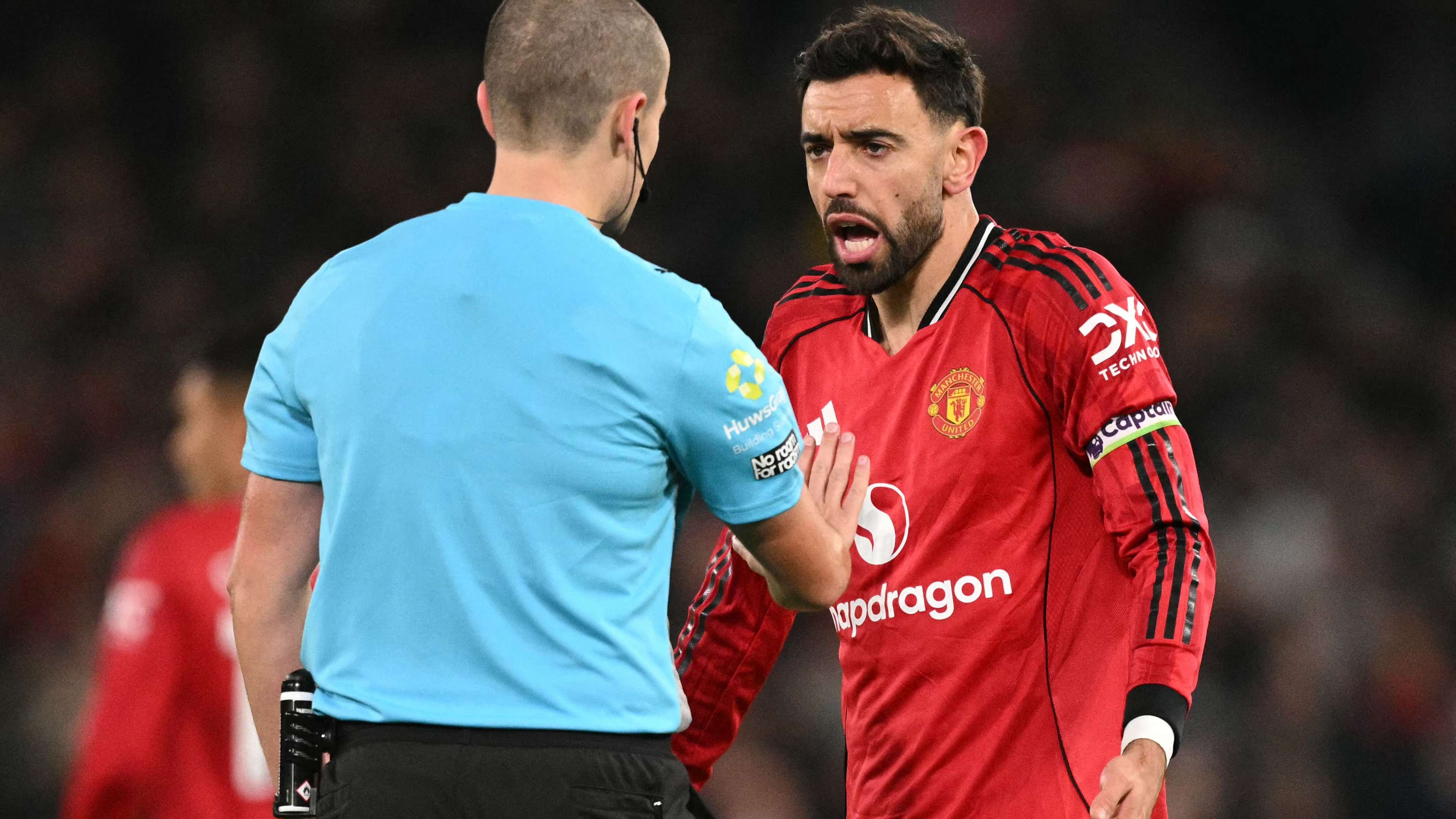

Manchester United Frustrated with Refereeing Decisions
Throughout the current football season, Manchester United has been plagued by perceived injustices from referees, sparking frustration among the club’s management, players, and fans. The ongoing issue has now reached a boiling point, prompting the club to take action to address their grievances with the head of the referees’ governing body, PGMOL.
Club Plans to Formalize Grievances
The discontent at Old Trafford has grown to such an extent that Manchester United is reportedly preparing to hold a crucial meeting with Howard Webb, the head of PGMOL. The aim of the meeting is to formalize the club’s complaints regarding the refereeing decisions that have gone against them this season. This move highlights the seriousness with which Manchester United is taking the issue and their determination to seek resolution.
The club’s management, players, and even pundits have been vocal in their criticism of the refereeing decisions that have affected Manchester United’s performance on the pitch. From questionable penalty calls to controversial red cards, the team feels they have been on the receiving end of unfair treatment, impacting their results and standings in the league.
Seeking Accountability and Fairness
Manchester United’s decision to confront the head of PGMOL signals their commitment to holding referees accountable for their decisions and ensuring fairness in the game. The meeting with Howard Webb is expected to address specific incidents that have raised concerns within the club and provide a platform for open dialogue on how refereeing standards can be improved.
By taking proactive steps to address their grievances with the refereeing body, Manchester United is setting a precedent for other clubs to follow suit in seeking transparency and fairness in officiating. The club’s initiative reflects their dedication to upholding the integrity of the sport and ensuring that decisions on the field are made objectively and without bias.
Impact on the Team and Supporters
The ongoing debate around refereeing decisions has not only affected Manchester United’s performance on the pitch but has also impacted the morale of the players and the club’s supporters. The perceived injustices have led to a sense of frustration and disillusionment among fans, who feel that their team is being unfairly targeted by referees.
As Manchester United continues to push for accountability and fairness in refereeing decisions, the upcoming meeting with Howard Webb will be a pivotal moment in addressing the club’s concerns and seeking a resolution to the ongoing issues. The outcome of this meeting could have far-reaching implications for the team and the broader football community, as the debate around refereeing standards and fairness in the game continues to intensify.
Overall, Manchester United’s decision to confront the head of PGMOL reflects their commitment to advocating for transparency and accountability in refereeing decisions, with the goal of ensuring a level playing field for all teams in the league.
Manchester United’s History of Challenging Refereeing Decisions
Manchester United’s frustration with refereeing decisions is not a new phenomenon. The club has a long history of challenging controversial calls and advocating for fair play on the field. Over the years, Manchester United has been involved in several high-profile incidents where refereeing decisions have been a topic of intense debate, further fueling the club’s determination to seek accountability and transparency.
One of the most memorable instances of Manchester United’s clash with referees occurred during the infamous “Fergie Time” era under former manager Sir Alex Ferguson. The club was often accused of receiving favorable decisions from referees, leading to a perception of bias in their favor. However, as the tables have turned in recent seasons, with Manchester United feeling hard done by questionable calls, the club’s stance on refereeing decisions has evolved to prioritize fairness and objectivity.
Player Performance and Refereeing Decisions
The impact of controversial refereeing decisions goes beyond just the results on the pitch. It can have a significant effect on the performance and morale of the players. The feeling of being unjustly treated by officials can create a sense of injustice and frustration among the team, potentially affecting their confidence and focus during matches.
For Manchester United, the recent run-ins with referees have put additional pressure on the players to overcome perceived biases and external factors that may influence the outcome of matches. This added mental burden can have tangible effects on the team’s performance and overall mentality, making it crucial for the club to address the issue head-on and seek a resolution that restores their faith in the fairness of the game.
Broader Implications for the Premier League
The ongoing debate around refereeing decisions at Manchester United has broader implications for the Premier League as a whole. The club’s proactive stance on seeking transparency and accountability sets a precedent for other teams to follow suit in challenging officiating standards and promoting fairness in the league.
By raising awareness about the impact of refereeing decisions on the integrity of the game, Manchester United is contributing to a larger conversation within the football community on ways to ensure consistent and impartial officiating. The outcome of the club’s meeting with Howard Webb could potentially lead to reforms in refereeing practices and guidelines that benefit all teams in the league, fostering a more competitive and equitable playing field for everyone involved.
Looking Ahead
As Manchester United prepares to confront the head of PGMOL and address their grievances with refereeing decisions, the club’s actions reflect their unwavering commitment to upholding the principles of fairness and sportsmanship in football. By taking a stand against perceived injustices and advocating for accountability, Manchester United is not only fighting for their own interests but also for the integrity of the game as a whole.
The upcoming meeting with Howard Webb presents an opportunity for constructive dialogue and potential reforms that could shape the future of refereeing standards in English football. Regardless of the outcome, Manchester United’s bold stance on challenging refereeing decisions sends a powerful message about the importance of transparency, objectivity, and fairness in the beautiful game of football.