

The Premier League Addresses Controversial Penalty Decision in Sunderland vs. Manchester United Match
In a highly anticipated match between Sunderland and Manchester United at Old Trafford on Saturday, a controversial penalty decision left fans and players alike in disbelief. Trai Hume, a Sunderland player, was brought down inside the United box by Benjamin Sesko, prompting the referee to award a penalty to the away team. However, the decision was later overturned after a VAR review.
VAR Controversy Strikes Again
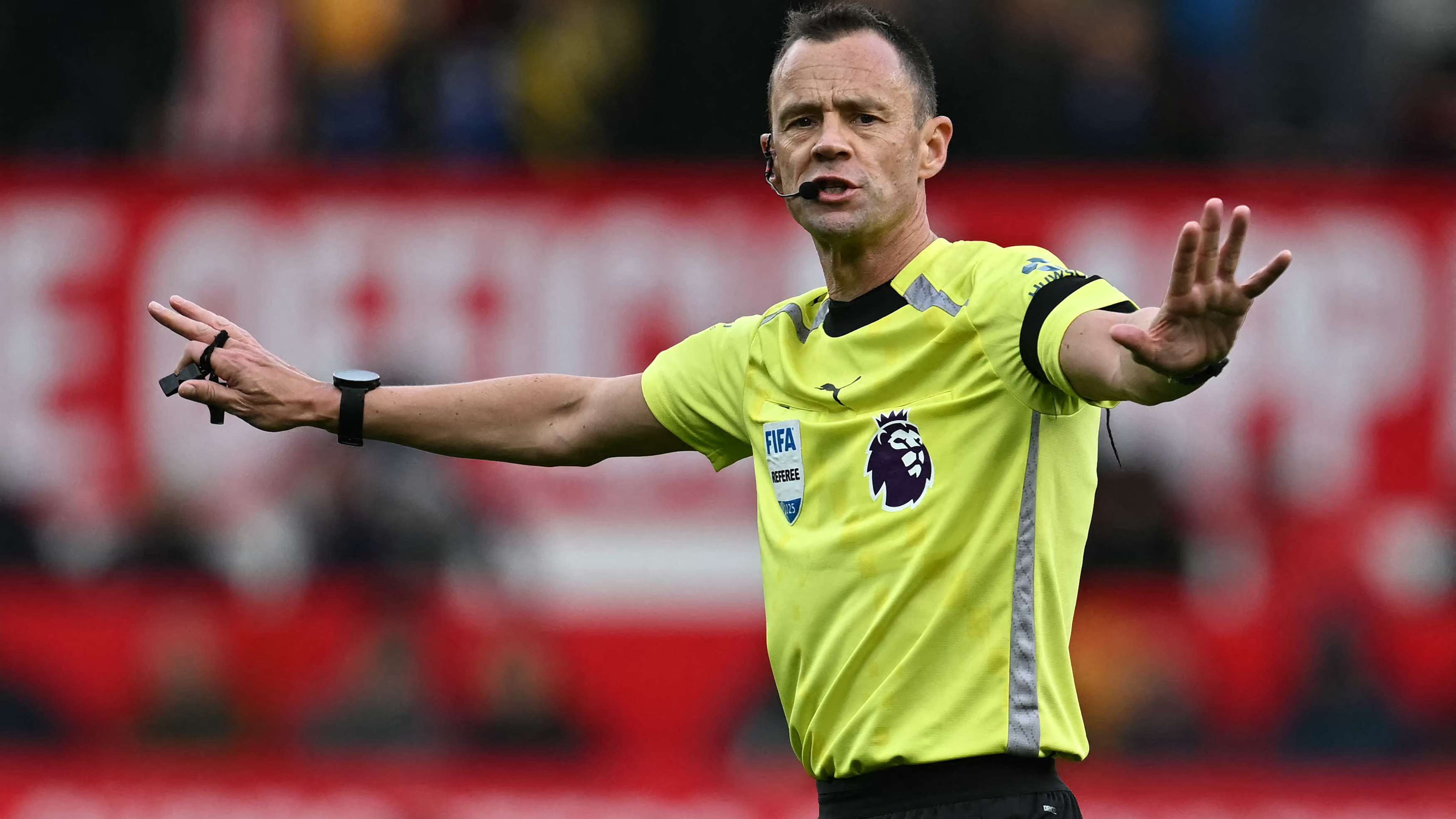
The incident occurred in the first half of the match, with Sunderland pressing for an equalizer after United had taken the lead. As Hume made a run into the box and attempted to take a shot on goal, Sesko made contact with him, causing the Sunderland player to go down. The referee initially pointed to the spot, indicating a penalty for Sunderland.
However, after a lengthy review by the VAR officials, the decision was reversed, much to the dismay of the Sunderland players and coaching staff. The controversial call sparked debate among fans and pundits, with many questioning the consistency and accuracy of VAR decisions in the Premier League.
Statement from the Premier League
In response to the controversy surrounding the penalty decision, the Premier League issued a statement clarifying the reasons behind the reversal. The statement highlighted the specific criteria that VAR officials consider when reviewing incidents, including clear and obvious errors by the on-field referee.
The Premier League reiterated its commitment to upholding the integrity and fairness of the game through the use of VAR technology. While acknowledging that controversial decisions can often divide opinions, the league emphasized the importance of maintaining transparency and consistency in the application of VAR rules.
Impact on the Match
The overturned penalty decision had a significant impact on the outcome of the match, with Manchester United ultimately securing a 2-1 victory over Sunderland. The controversy surrounding the incident overshadowed the performance of both teams, with many fans left frustrated by the VAR intervention.
The result propelled Manchester United further up the Premier League table, while Sunderland was left to rue what could have been a crucial opportunity to equalize. Despite the disappointment, Sunderland’s players and coaching staff remained defiant, vowing to bounce back from the setback and continue their push for success in the league.
Looking Ahead
As the debate over VAR decisions in football continues, the Premier League faces ongoing scrutiny over the effectiveness and reliability of the technology. While VAR has been implemented to reduce errors and enhance the accuracy of refereeing decisions, incidents like the one in the Sunderland vs. Manchester United match serve as a reminder of the challenges and controversies that come with its use.
For fans and players alike, the focus now shifts to the next round of matches, where teams will look to put VAR controversies behind them and focus on securing vital points in their quest for success in the Premier League.
Keywords: football, prediction, Premier League, VAR, Sunderland, Manchester United
VAR Impact on Football Predictions
The use of VAR technology in football matches has not only sparked debates and controversies but has also had a significant impact on football predictions and betting markets. With VAR introducing an extra layer of uncertainty and unpredictability to match outcomes, punters and analysts have had to adjust their strategies when making predictions.
When assessing games involving teams like Sunderland and Manchester United, where VAR decisions can potentially alter the course of a match, bettors now need to consider not just the form and quality of the teams but also the likelihood of VAR interventions. This added dimension adds a new level of complexity to predicting match results and can lead to surprising outcomes that may defy conventional expectations.
Adapting Prediction Models
In light of VAR controversies and its impact on match results, analysts and sports data experts have been forced to recalibrate their prediction models to account for VAR-related variables. Factors such as the frequency of VAR interventions, the accuracy of VAR decisions, and the psychological impact of VAR on players and officials now play a crucial role in determining match outcomes.
By incorporating these new variables into their prediction models, analysts can provide more accurate and nuanced insights into how VAR may influence the results of upcoming matches. This adaptation reflects the evolving nature of football analysis in the era of VAR and underscores the importance of staying ahead of the curve in predicting match outcomes.
Fan Reactions and Expectations
For fans and supporters of teams like Sunderland and Manchester United, the introduction of VAR has led to heightened emotions and increased scrutiny of refereeing decisions. The controversy surrounding the overturned penalty in the Sunderland vs. Manchester United match is just one example of how VAR can shape the narrative of a game and impact fan expectations.
As fans continue to grapple with the implications of VAR on match results and outcomes, their reactions and responses to controversial decisions will shape the discourse around the technology. Whether it’s celebrating a VAR-assisted victory or lamenting a VAR-induced defeat, fans are an integral part of the ever-evolving football landscape influenced by technological advancements.
Future of VAR in the Premier League
Looking ahead, the Premier League faces the ongoing challenge of balancing the benefits of VAR with the need to address concerns over its implementation and impact on the game. As technology continues to evolve and shape the way football is officiated and experienced, the league will need to find ways to enhance VAR’s effectiveness while minimizing its disruptive effects on match dynamics.
Whether through improved communication of VAR decisions, enhanced training for VAR officials, or adjustments to the review process, the Premier League must navigate the complex terrain of VAR to ensure that it remains a valuable tool for maintaining fairness and integrity in the sport. The future of VAR in the Premier League will be defined by how successfully these challenges are addressed and how fans, players, and officials adapt to its presence in the game.
As the football world continues to grapple with the implications of VAR in match predictions, fan reactions, and the overall landscape of the game, one thing remains certain: the evolution of technology in football is here to stay, shaping the way we experience and engage with the beautiful game.
Keywords: football, prediction, Premier League, VAR, Sunderland, Manchester United