
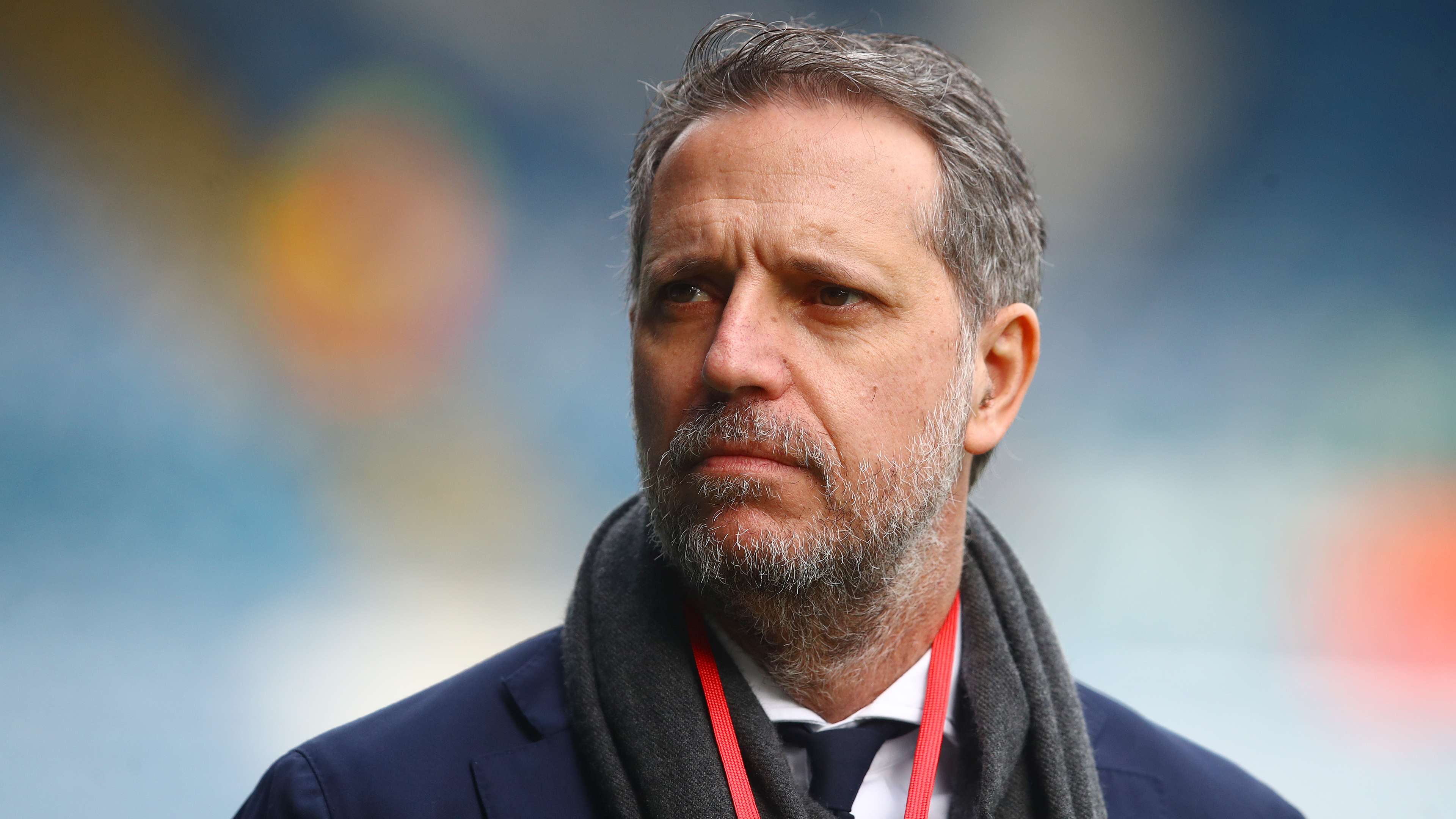

Former Tottenham Director of Football Sentenced in Juventus Scandal
Former Tottenham Hotspur director of football, Fabio Paratici, has recently been handed an 18-month suspended jail sentence as part of a plea bargain deal. This development comes in light of his involvement in the infamous Juventus “Plusvalenza” scandal, a case that rocked the football world and implicated several high-profile officials, including Czech legend Pavel Nedved.
The Juventus “Plusvalenza” Scandal
The Juventus “Plusvalenza” scandal refers to a series of events where a group of Bianconeri officials were found guilty of misleading Serie A chiefs. The scandal tarnished the reputation of one of Italy’s most successful football clubs and sent shockwaves throughout the sports community.
The investigation into the scandal revealed that Paratici and his colleagues had engaged in fraudulent activities aimed at artificially inflating player transfer fees to generate profits for the club. This unethical behavior not only violated the principles of fair play but also undermined the integrity of the sport.
Paratici’s Involvement and Legal Consequences
As a key figure in Juventus’ management team, Fabio Paratici played a significant role in the scandal that eventually led to his sentencing. The court found him guilty of participating in the fraudulent scheme and handed him a suspended jail sentence as part of a plea bargain deal.
While the suspended sentence means that Paratici will not serve time in prison immediately, it serves as a stain on his reputation and raises questions about his integrity and ethical conduct in the football world. The fallout from the scandal could have long-lasting implications for his career in the industry.
Impact on Tottenham Hotspur
Paratici’s legal troubles have also raised concerns among Tottenham Hotspur fans and officials. As the former director of football for the Premier League club, his involvement in such a scandal reflects poorly on the organization and could damage its reputation in the eyes of supporters, sponsors, and other stakeholders.
Tottenham Hotspur must now navigate the fallout from Paratici’s sentencing and take appropriate steps to address any potential repercussions. The club’s leadership will need to demonstrate transparency, accountability, and a commitment to ethical behavior to rebuild trust with fans and the wider football community.
Looking Ahead
As the football world grapples with the fallout from the Juventus “Plusvalenza” scandal, the case serves as a stark reminder of the importance of integrity and fair play in the sport. Fans, players, clubs, and officials must uphold the highest ethical standards to preserve the integrity and credibility of football as a global phenomenon.
While Fabio Paratici’s sentencing marks a dark chapter in his career, it also highlights the need for greater accountability and transparency in football management. As the industry continues to evolve and face new challenges, it is crucial for all stakeholders to uphold the values of honesty, fairness, and integrity in their actions and decisions.
Paratici’s Impact on Football Prediction
One area where Paratici’s involvement in the Juventus scandal could have reverberations is in the realm of football prediction and betting. With the rise of sports betting and prediction markets, the integrity of player transfers and club operations is crucial for accurate predictions and fair outcomes.
The scandal involving Paratici and Juventus brings into question the reliability of data and information that analysts and predictors use to make informed decisions. If clubs are engaging in fraudulent activities to manipulate player values, it could skew predictions and undermine the trustworthiness of the entire industry.
For football prediction enthusiasts, the fallout from the scandal serves as a reminder to critically evaluate the sources of information they rely on. It highlights the importance of transparency in the transfer market and the need for regulatory oversight to ensure a level playing field for all participants, including predictors and punters.
Lessons for Football Clubs
The Juventus “Plusvalenza” scandal and Paratici’s sentencing offer valuable lessons for football clubs worldwide. It underscores the importance of ethical governance, compliance with regulations, and the consequences of engaging in fraudulent activities for short-term gain.
Clubs must prioritize integrity and transparency in their operations to maintain the trust of fans, players, and stakeholders. The case of Juventus serves as a cautionary tale for other clubs, highlighting the potential reputational damage and legal consequences that can arise from unethical behavior in the football industry.
By learning from the missteps of Juventus and individuals like Paratici, football clubs can strengthen their governance structures, implement robust compliance measures, and foster a culture of accountability and ethical conduct. This proactive approach can help prevent future scandals and safeguard the reputation of the sport.
Regulatory Reforms in Football
The Juventus scandal has also sparked discussions about the need for regulatory reforms in football to prevent similar incidents in the future. Organizations such as FIFA and UEFA may need to review their transfer regulations, financial fair play rules, and oversight mechanisms to enhance transparency and accountability in the sport.
Reforms could include stricter monitoring of player transfers, increased scrutiny of club finances, and improved reporting requirements to deter fraudulent activities and ensure fair competition. By implementing these changes, football governing bodies can uphold the integrity of the sport and protect its credibility in the eyes of fans and the broader public.
Conclusion
In conclusion, the sentencing of Fabio Paratici in the Juventus “Plusvalenza” scandal sheds light on the importance of integrity, transparency, and ethical conduct in football management. The repercussions of his involvement serve as a wake-up call for the industry to prioritize ethical governance, compliance, and accountability to maintain the trust of stakeholders.
As football clubs, regulators, and fans reflect on the lessons learned from this scandal, the focus must be on building a culture of integrity and fair play that upholds the values of the sport. By addressing the root causes of unethical behavior and implementing regulatory reforms, the football community can work towards a more transparent, trustworthy, and sustainable future for the beautiful game.
