
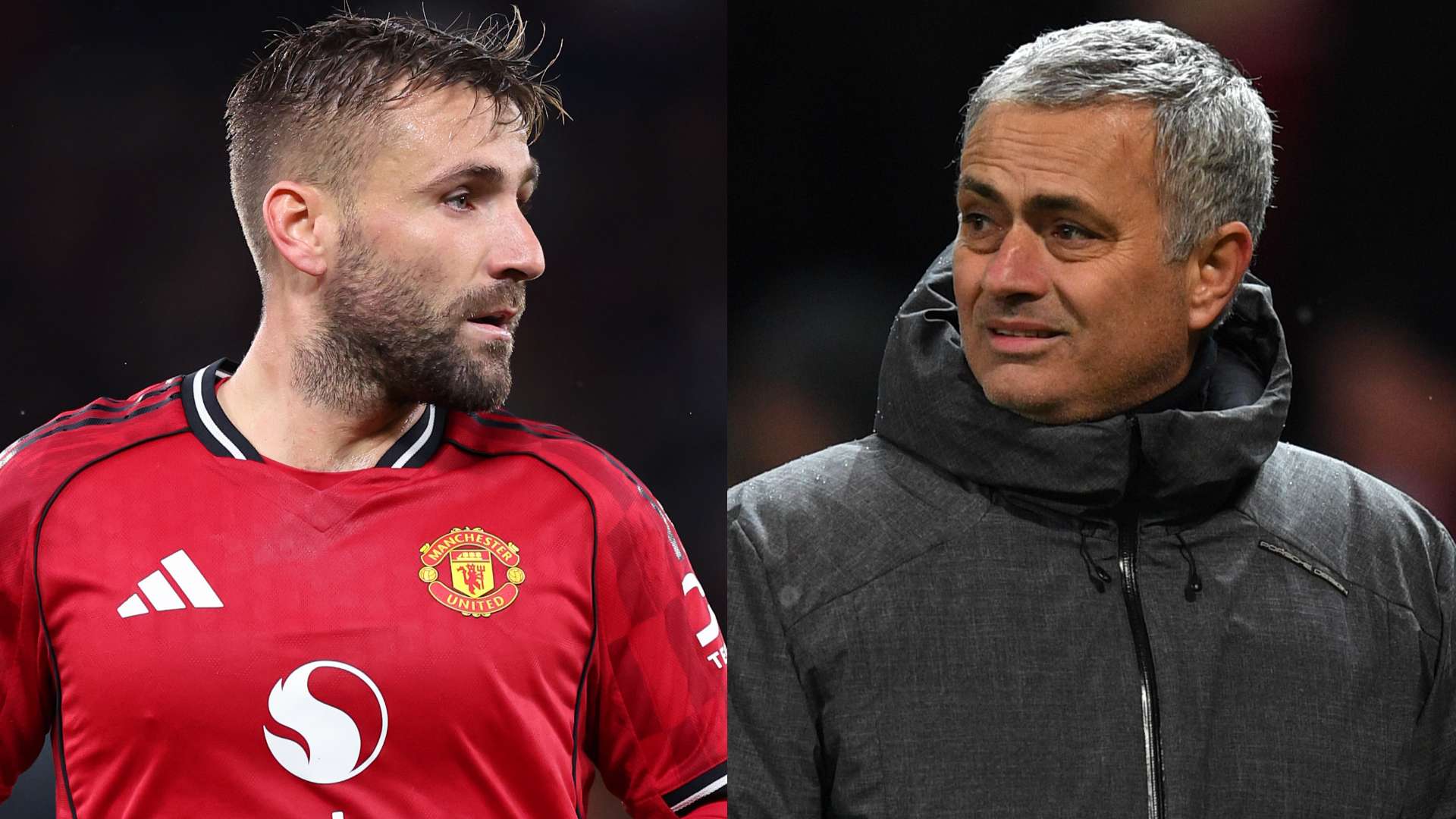

Jose Mourinho’s Controversial Comments on Luke Shaw and Anthony Martial
Recently, shocking revelations have come to light regarding former Manchester United manager Jose Mourinho’s controversial comments about two of his players, Luke Shaw and Anthony Martial.
Weight Jibe at Luke Shaw
It has been disclosed that Mourinho once made a brutal weight jibe at Luke Shaw, the talented England international full-back. During his time as the Red Devils’ manager, Mourinho reportedly referred to Shaw as “James Corden”, a reference to the British comedian and TV host known for his larger physique.
This incident sheds light on Mourinho’s often contentious relationship with Shaw, which was widely reported during their time together at Manchester United. Despite Shaw’s undeniable talent, Mourinho’s comments reveal a lack of sensitivity and professionalism in his approach to managing players.
Intentions to Force Anthony Martial Out
In addition to his disparaging remarks towards Shaw, Mourinho also expressed his desire to see French forward Anthony Martial leave Old Trafford. According to reports, Mourinho stated that he “would do everything” in his power to ensure Martial’s departure from the club.
This revelation comes as a surprise to many fans and pundits, as Martial was considered one of Manchester United’s most promising talents at the time. Mourinho’s apparent eagerness to part ways with Martial raises questions about his management style and decision-making processes during his tenure as the club’s manager.
Implications and Fallout
These controversial comments by Mourinho have sparked outrage among football fans and pundits alike. Many have criticized Mourinho for his unprofessional behavior and questionable treatment of his players. The revelations also raise concerns about the impact of such negative attitudes on the mental health and well-being of athletes.
Furthermore, this latest controversy adds to Mourinho’s already tumultuous legacy at Manchester United. The Portuguese manager’s tenure at the club was marked by a series of high-profile conflicts and controversies, both on and off the pitch.
Lessons Learned
As the football world reflects on Mourinho’s comments about Luke Shaw and Anthony Martial, it serves as a reminder of the importance of respect and professionalism in sports management. Coaches and managers have a responsibility to support and nurture their players, rather than belittle and undermine them.
Moving forward, it is crucial for clubs and governing bodies to prioritize the well-being of players and foster a culture of respect and inclusivity within the sport. By learning from past mistakes and holding individuals accountable for their actions, football can continue to evolve and thrive as a positive and inclusive community.
In conclusion, the revelations about Mourinho’s comments on Shaw and Martial serve as a stark reminder of the challenges and complexities of football management. It is essential for all involved in the sport to strive towards creating a supportive and respectful environment for players to excel and succeed.
The Impact of Mourinho’s Comments on Team Dynamics
Jose Mourinho’s controversial comments towards Luke Shaw and Anthony Martial not only affected the individual players but also had wider implications on team dynamics at Manchester United. His public criticisms and desire to see Martial leave the club created an atmosphere of uncertainty and tension within the squad.
Players may have felt anxious about their own positions within the team, wondering if they could also become targets of Mourinho’s harsh words. This sense of instability and lack of trust in the manager’s support can have detrimental effects on player morale and performance on the pitch. It is crucial for a coach to create a positive and supportive environment to foster team cohesion and success.
The Role of Mental Health in Professional Football
Mourinho’s comments raise important questions about the impact of negative attitudes and public criticism on the mental health and well-being of professional footballers. Athletes already face immense pressure to perform at the highest level, and when faced with public humiliation or disdain from their coach, it can take a toll on their mental resilience.
Clubs and governing bodies need to prioritize mental health support for players and ensure that they have access to resources and assistance when facing challenges. Creating a culture of openness and understanding around mental health issues is essential in maintaining the overall well-being of footballers both on and off the pitch.
The Evolution of Management Styles in Football
Mourinho’s controversial comments also highlight the changing expectations and standards for managers in modern football. The days of authoritarian coaching styles and harsh criticism are gradually giving way to more empathetic and player-centered approaches to management.
Coaches are now expected to be not only tactically astute but also emotionally intelligent leaders who can motivate and inspire their players. Building positive relationships with the squad, fostering trust, and providing support are now recognized as essential components of successful coaching in the contemporary football landscape.
Rebuilding Trust and Unity in the Team
Following Mourinho’s departure from Manchester United, the club had to work towards rebuilding trust and unity within the team. The appointment of a new manager brought fresh perspectives and a renewed focus on creating a positive team culture built on respect and collaboration.
By learning from past experiences and emphasizing the importance of player well-being and mutual respect, clubs can create an environment where players feel valued, supported, and motivated to perform at their best. The journey towards team success often begins with fostering a sense of unity and trust among players and staff alike.
Looking Ahead: Lessons for the Future of Football Management
As the football world reflects on Mourinho’s controversial comments, it serves as a valuable lesson for the future of football management. Coaches and managers must prioritize the well-being and development of their players, creating a culture of respect, inclusivity, and support.
By embracing empathy, communication, and a player-centered approach, managers can build strong, cohesive teams that are capable of achieving success both on and off the pitch. The evolution of football management towards more holistic and humane practices is essential in ensuring the long-term sustainability and prosperity of the sport.
