
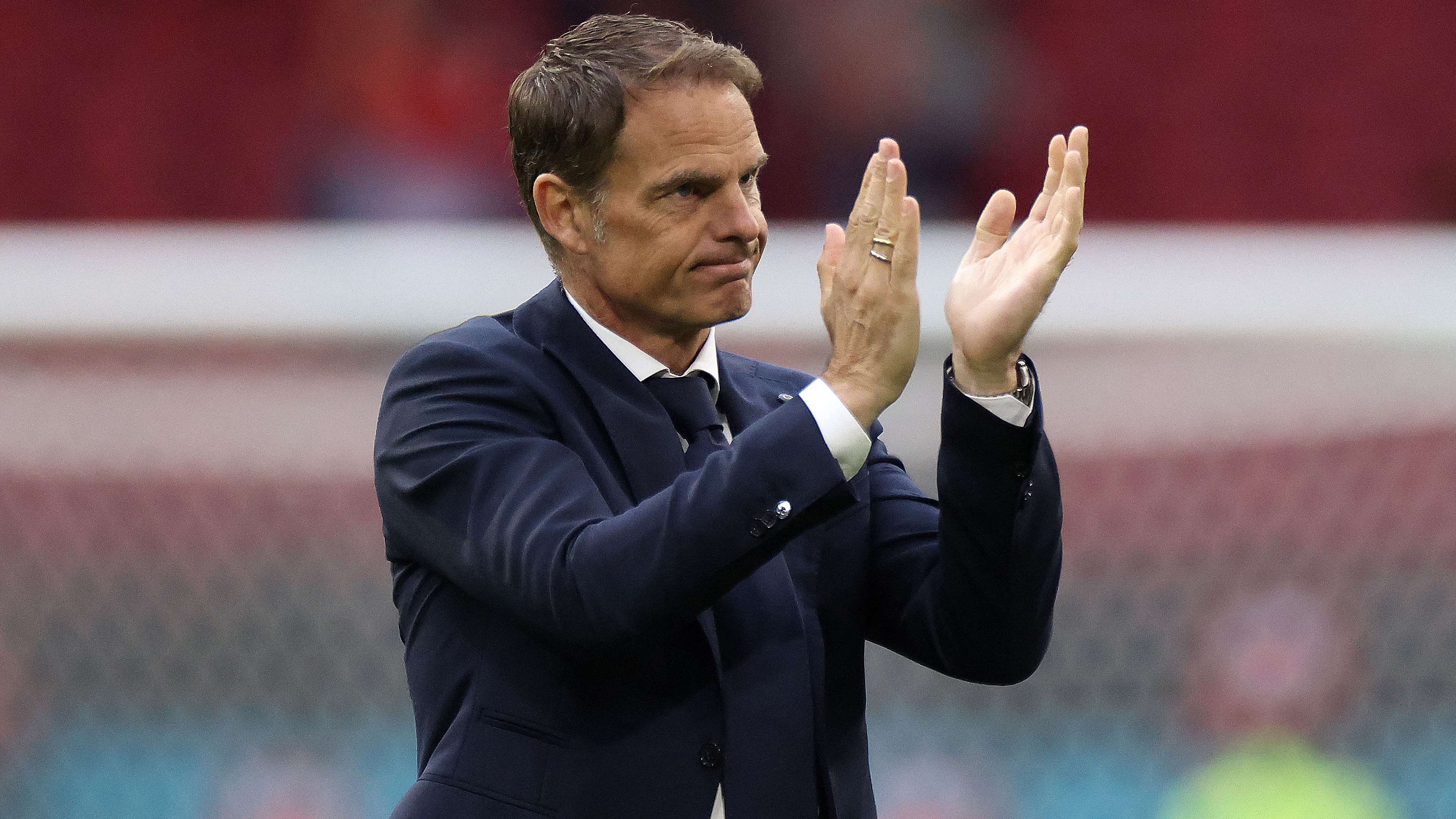

Frank de Boer Announces Retirement from Football Management
Frank de Boer, the former football manager who experienced both highs and lows throughout his career, has made a surprising announcement regarding his future in the sport. The Dutch tactician, known for his successful tenure at Ajax where he led the team to four consecutive Eredivisie titles, has declared that he will not be returning to football management.
Triumph and Turmoil
De Boer’s career in football management has been a rollercoaster ride, marked by both triumph and turmoil. His early success at Ajax solidified his reputation as a promising young coach with a bright future ahead. However, his subsequent stints at clubs like Inter Milan, Crystal Palace, and the Netherlands national team did not yield the same level of success, leading to a sense of disillusionment for the Dutchman.
Despite facing challenges and criticism during his later managerial roles, De Boer remained committed to the sport. However, in a recent statement, he revealed that he has reached a point where he no longer wishes to pursue a career in football management.
Retirement and Reflection
Currently residing in Spain and enjoying a peaceful life with his family, De Boer expressed that he has had “enough of all that misery” associated with the pressures of football management. The decision to retire from the sport comes as a surprise to many, given De Boer’s passion and dedication to the game throughout his career.
Reflecting on his journey in football, De Boer acknowledged the highs and lows he experienced, stating that he is grateful for the opportunities and lessons learned along the way. While he will no longer be seen on the touchlines guiding his team, De Boer’s impact on the football world will not be forgotten.
Legacy and Future
As Frank de Boer bids farewell to football management, his legacy as a coach who achieved success at the highest levels will endure. His time at Ajax, where he established a dominant team that captured multiple league titles, will be remembered as a defining moment in his career.
While De Boer may have decided to step away from the pressures of football management, his passion for the sport remains unwavering. Whether he chooses to stay involved in the football world through other means or fully embrace retirement, De Boer’s impact on the game will continue to be felt for years to come.
In conclusion, Frank de Boer’s announcement of retirement from football management marks the end of an era for the Dutch coach. His decision to prioritize family life and personal well-being over the demands of the sport demonstrates a sense of maturity and self-awareness. As the football world bids farewell to one of its own, De Boer’s legacy will live on as a testament to his dedication and contributions to the beautiful game.
Frank de Boer’s Impact on Dutch Football
Frank de Boer’s retirement from football management not only marks the end of an era for the coach himself but also leaves a significant impact on Dutch football as a whole. De Boer, a former player for the Netherlands national team, brought his experience and knowledge to the coaching realm, aiming to elevate Dutch football to new heights.
During his time as the manager of the Netherlands national team, De Boer faced challenges and criticism, particularly during the UEFA Euro 2020 tournament. Despite the team’s early struggles in the competition, De Boer’s leadership and tactical decisions showcased his commitment to developing the national team’s potential.
While his tenure with the national team may not have ended with a championship victory, De Boer’s influence on Dutch football cannot be understated. His experience both as a player and a coach provided a unique perspective that helped shape the development of young talents and the overall strategic approach to the game.
Legacy of Success at Ajax
One of the most significant chapters in Frank de Boer’s managerial career was his time at Ajax, where he achieved remarkable success by guiding the team to four consecutive Eredivisie titles. De Boer’s tactical acumen, emphasis on youth development, and ability to instill a winning mentality within the squad were instrumental in Ajax’s dominance in the Dutch league.
De Boer’s legacy at Ajax extends beyond the trophies won during his tenure. He also played a crucial role in nurturing young talents and providing them with opportunities to showcase their skills on a global stage. Players like Matthijs de Ligt, Frenkie de Jong, and Davy Klaassen emerged as stars under De Boer’s guidance, reinforcing his reputation as a coach who prioritizes the development of young players.
Furthermore, De Boer’s success at Ajax demonstrated his adaptability and strategic thinking, as he navigated the challenges of managing a top club while maintaining a commitment to the principles of attractive, possession-based football.
Future Endeavors and Contributions
While Frank de Boer has chosen to retire from football management, his expertise and insights are likely to remain valuable within the football community. Whether through punditry, coaching clinics, or other avenues, De Boer’s voice will continue to carry weight in discussions about the game and its evolution.
Additionally, De Boer’s decision to prioritize personal well-being and family life sets an example for other coaches and individuals within the football industry. In a profession often characterized by high pressure and demands, De Boer’s choice to step away serves as a reminder of the importance of balance and self-care.
As the football world reflects on Frank de Boer’s retirement, it celebrates his contributions to the sport while also looking forward to the potential impact he may have in future endeavors. Whether he remains closely connected to football or explores new passions outside the game, De Boer’s legacy will continue to inspire and shape the next generation of football professionals.
By expanding on Frank de Boer’s impact on Dutch football, his legacy at Ajax, and his potential contributions to the football community post-retirement, this content provides a deeper understanding of the coach’s significance in the sport.
