
Luis Enrique Explains How PSG Disrupted Barcelona in Champions League Thriller
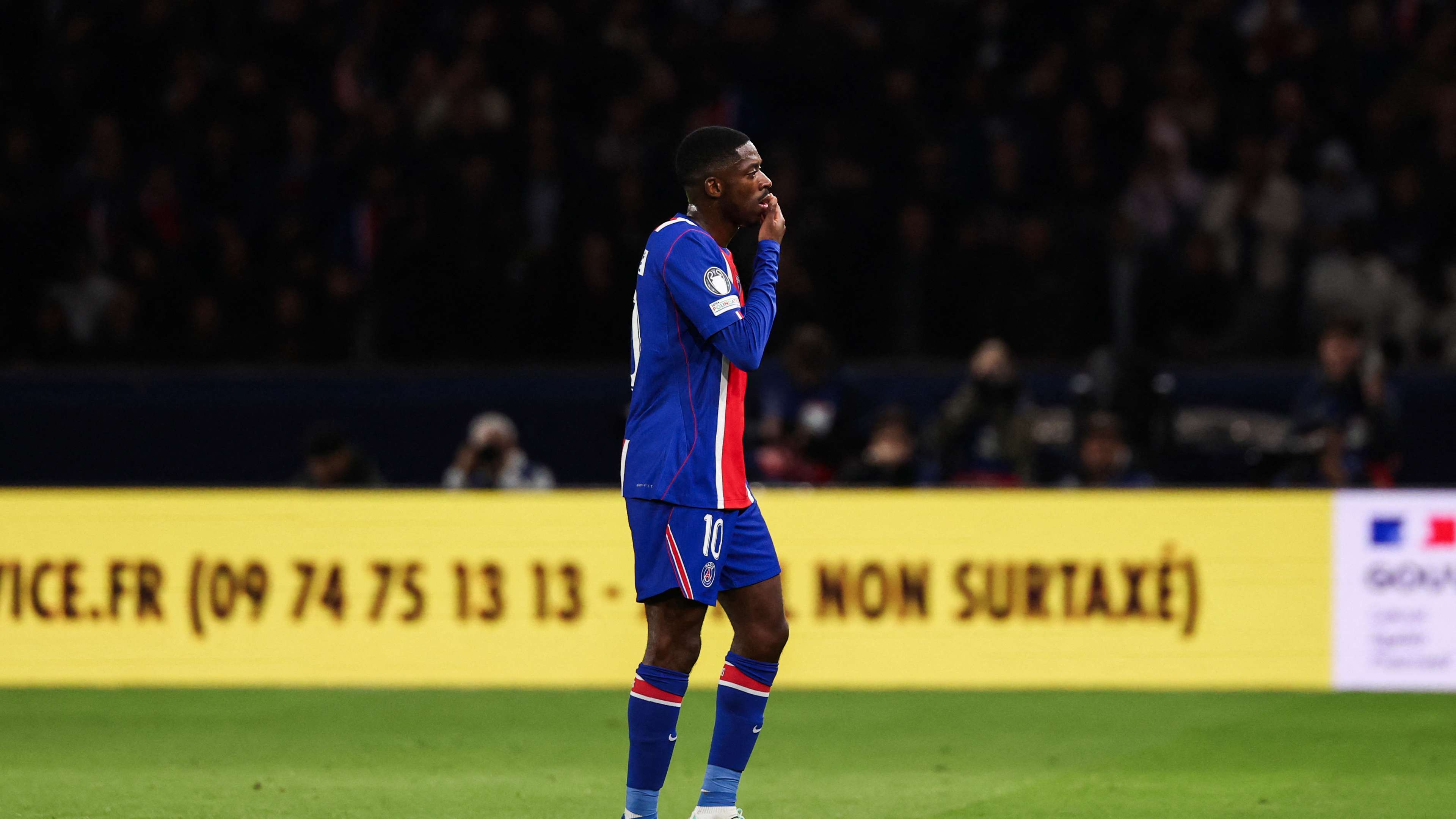
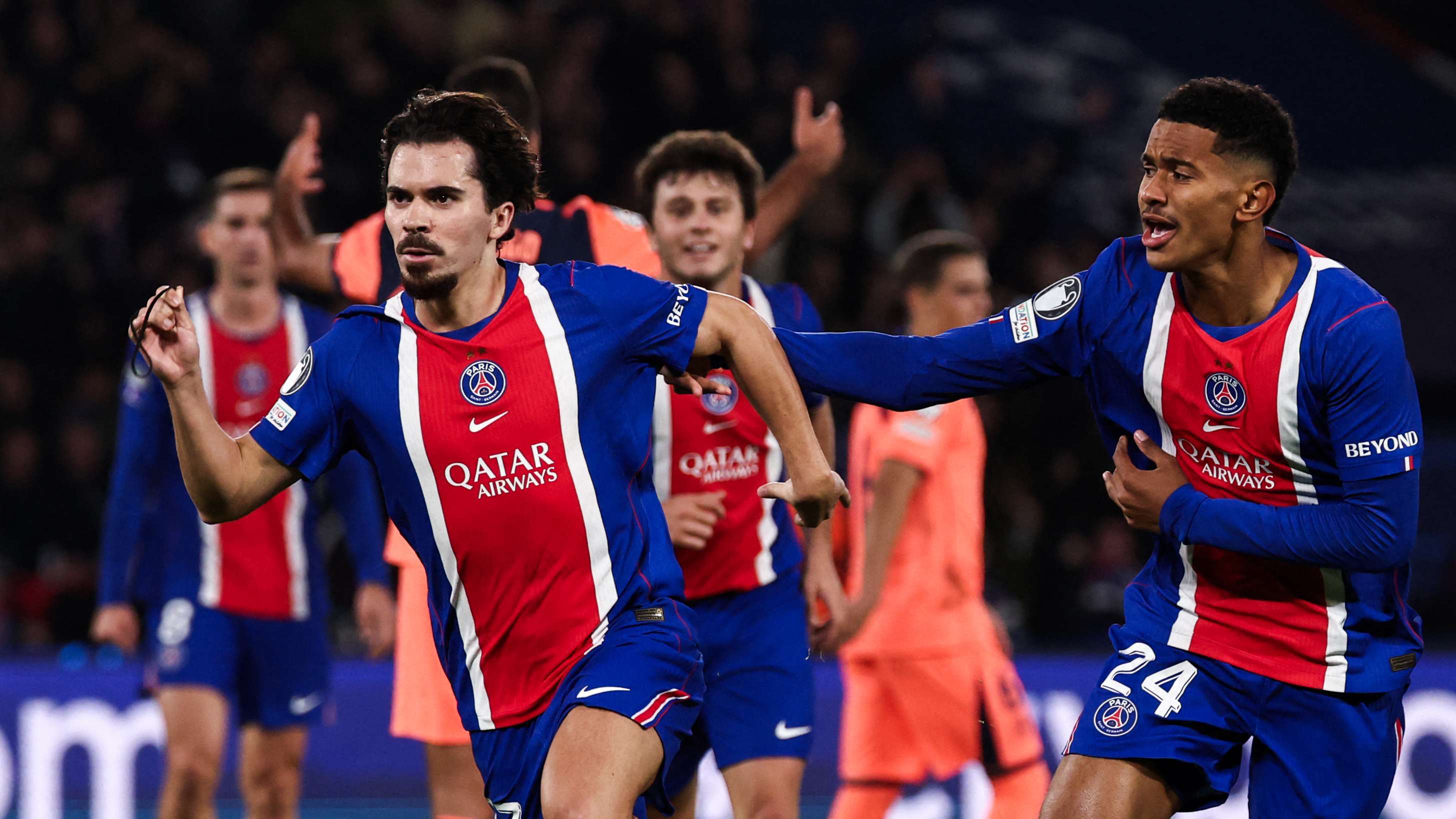
Paris Saint-Germain’s 4-2 victory over Barcelona was more than a high-scoring Champions League spectacle. It was a carefully constructed tactical performance that exposed how even a team in excellent form can be unsettled by coordinated pressure, sharp transitions and disciplined defending. After the match, PSG coach Luis Enrique offered insight into the approach that ended Barcelona’s perfect start to the season and delivered a major statement in European football.
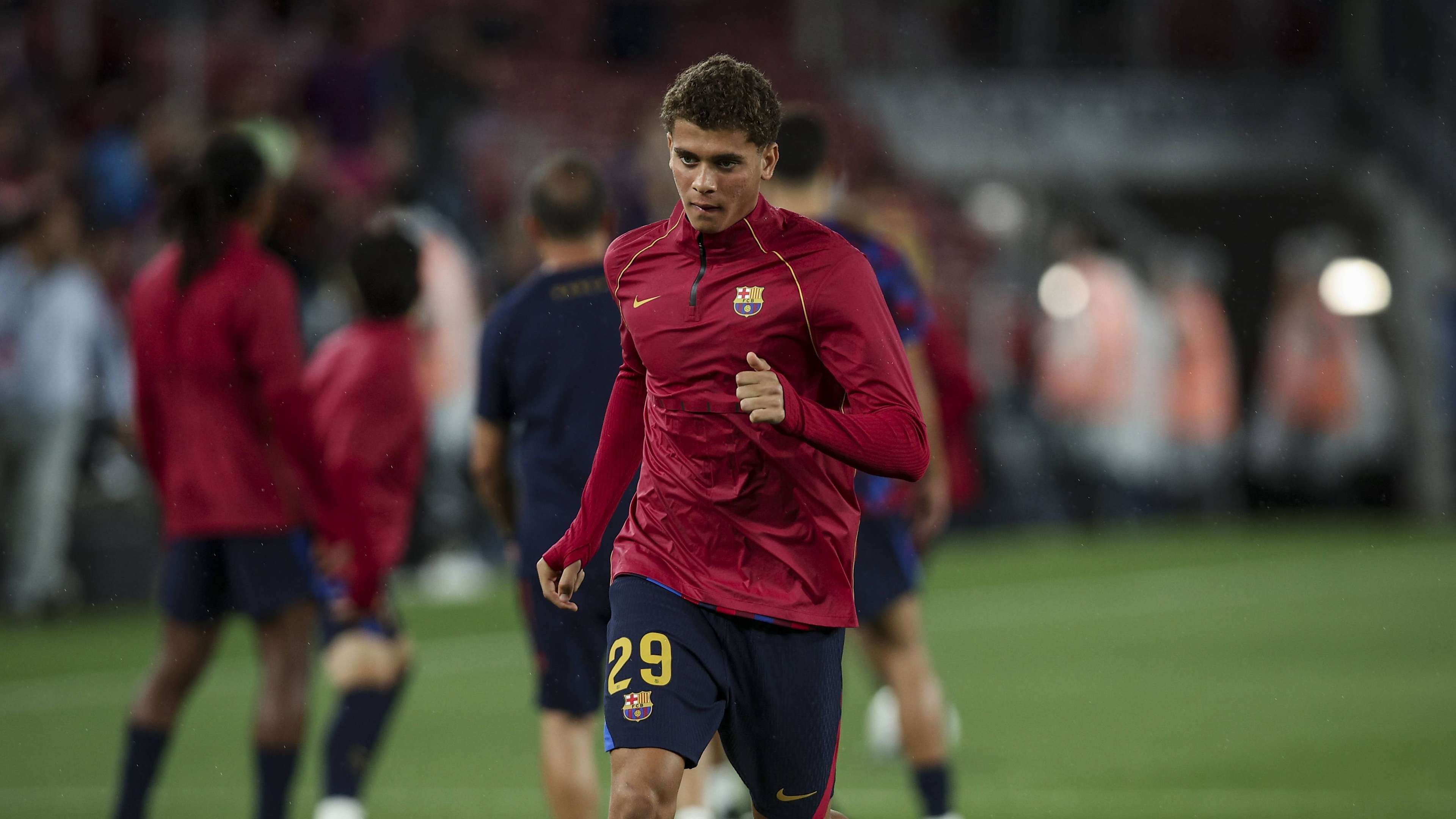
Barcelona, led by Hansi Flick, had entered the contest with confidence and momentum. Their fast, attacking style had made them one of the most compelling sides to watch, while their early results suggested they were capable of controlling games against a range of opponents. PSG, however, refused to let the visitors settle into their preferred rhythm. The French side’s performance showed that possession and attacking talent can be neutralised when an opponent applies pressure with the right timing and structure.
A Tactical Test for Barcelona’s High-Flying Attack
Flick’s Barcelona are at their most dangerous when they can move the ball quickly, stretch the pitch and make use of the space behind an opposing defence. That approach can place enormous pressure on defenders, particularly when Barcelona’s forwards combine speed with direct movement. But it also carries risks: a high defensive line and an aggressive commitment to attack can leave openings for opponents who win the ball and break forward immediately.
PSG’s plan was designed to make those moments count. Rather than allowing Barcelona to build comfortably through the middle, the hosts worked to close passing lanes, press the ball carrier and force hurried decisions. The goal was not simply to chase possession. It was to guide Barcelona toward less comfortable options, then react quickly when the visitors lost control of the ball.
That distinction is crucial in elite football. A press is most effective when the players behind it remain connected and prepared to cover the spaces it creates. If one player steps forward without support, a technically gifted opponent can play through the pressure and attack the exposed defence. PSG’s success depended on collective coordination: the first defender applied pressure, nearby teammates limited escape routes, and the back line had to stay alert to Barcelona’s runs in behind.
Why the Transition Game Made the Difference
Winning the ball was only one part of PSG’s strategy. The next action was just as important. Once possession changed hands, PSG looked to move forward before Barcelona could reorganise. Quick, purposeful transitions allowed the hosts to exploit the distance between Barcelona’s attacking players and their defenders, turning defensive pressure into immediate attacking opportunities.
These moments can be decisive because a team caught in transition often has fewer players in position to protect its goal. Barcelona’s attacking structure requires players to advance and support the forward line, but that commitment can leave the side vulnerable if an opponent breaks through the first wave of pressure. PSG’s ability to recognise and attack those spaces helped transform the match into a contest played at the hosts’ preferred tempo.
The 4-2 scoreline reflected the intensity of the encounter, but the result was not simply a product of attacking quality. PSG combined forward intent with a willingness to work without the ball. That balance mattered: an all-out attacking approach could have allowed Barcelona to exploit space themselves, while a purely cautious plan might have given the visitors time to regain control. PSG instead sought to disrupt, recover and attack in a continuous cycle.
Luis Enrique’s Familiarity With Barcelona
The result carried an added layer of significance because Luis Enrique previously managed Barcelona. His familiarity with the club’s football culture and expectations gave the matchup a personal dimension, but the tactical challenge was also clear. Barcelona’s current team is not identical to the sides he coached, and Flick has brought his own ideas, intensity and priorities to the role.
Still, Luis Enrique understands the principles that can make Barcelona difficult to contain: confident possession, coordinated movement and the ability to create overloads in dangerous areas. That knowledge may have helped PSG prepare for the kinds of patterns they would face. More importantly, the victory demonstrated that familiarity alone is not enough; the plan must be adapted to the players available and the specific threats posed by the opposition.
PSG’s performance also offered a reminder that a coach’s influence is often most visible in the details. The positioning of the press, the timing of challenges, the distances between midfield and defence, and the speed of the first pass after a turnover can all shape the outcome of a major match. Luis Enrique’s explanation highlighted how those elements can combine to produce a result that feels dramatic on the scoreboard but is rooted in preparation and execution.
What the Defeat Means for Barcelona
Barcelona’s loss ended their perfect start, but one defeat does not erase the progress or promise shown in the opening weeks of the campaign. Instead, it provides Flick and his players with a valuable test of how their approach holds up against a top-level opponent willing to press aggressively and attack the space left behind.
The response will matter more than the setback itself. Barcelona may need to consider how to vary their build-up when opponents block central routes, whether to adjust the height of their defensive line in certain phases, and how to maintain protection against counterattacks while committing numbers forward. These are not necessarily reasons to abandon an attacking identity. They are challenges involved in making that identity more resilient.
For PSG, the win provides confidence and evidence that their tactical framework can work against elite opposition. A strong Champions League campaign requires more than individual brilliance; it demands a team capable of adapting to different match situations. PSG showed they could defend with purpose, press with conviction and take advantage of openings when they appeared.
Champions League Prediction: A Statement, Not a Guarantee
In the wider Champions League picture, PSG’s victory strengthens their case as a serious contender, while Barcelona’s defeat offers an early warning about the fine margins at the highest level. It would be premature to treat one result as a definitive prediction of either club’s season. European campaigns are shaped by consistency, fitness, squad depth and the ability to adjust across multiple rounds.
What the match does suggest is that PSG have a blueprint for challenging possession-focused teams: apply pressure collectively, deny comfortable central progression and attack quickly when the opportunity arises. Barcelona, meanwhile, have shown enough quality to remain dangerous, but they will be expected to find solutions when opponents target the vulnerabilities that come with an aggressive style.
For football fans, the encounter was a compelling example of how tactical choices can influence a major European night. Barcelona’s attacking ambition met PSG’s organised pressure, and the hosts proved more effective at turning key moments into goals. Luis Enrique’s tactical masterclass did not merely end a winning run; it demonstrated how preparation, discipline and fast transitions can reshape the balance of a Champions League contest.