
Luis Enrique Criticizes “Sh*tty Football” Following PSG’s Defeat
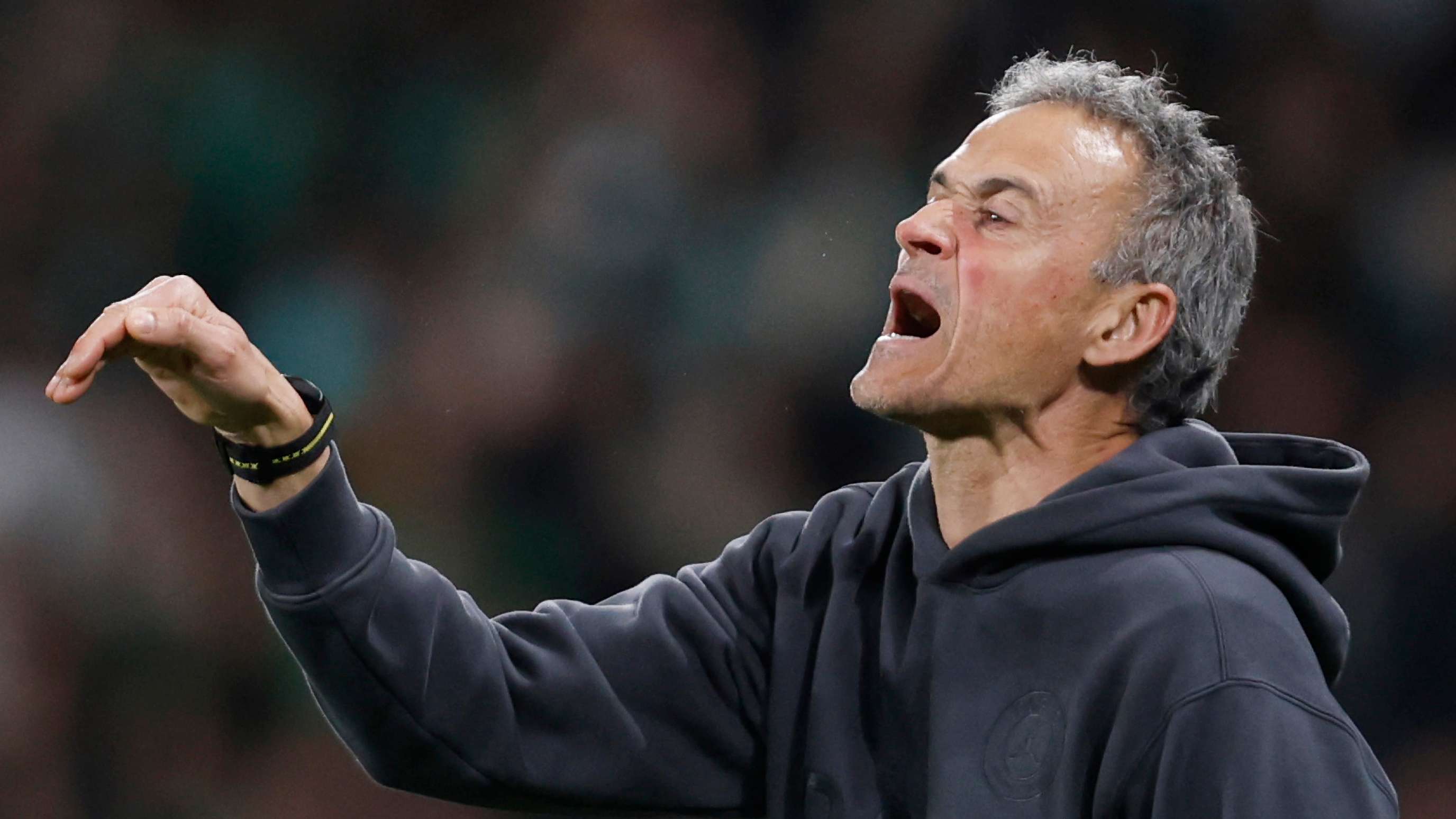
In a passionate and fiery post-match interview, Paris Saint-Germain manager Luis Enrique expressed his frustration with the sport of football, branding it as “sh*tty football” after his team suffered a disappointing 2-1 loss to Sporting Lisbon. The Spanish tactician was visibly upset by the result, which he believed was unjust and a major setback for the French champions.
Enrique’s Disappointment
Despite describing the match as the “best away match” of his tenure, Luis Enrique was left seething at what he perceived as a lack of fairness in the outcome. The defeat not only dented PSG’s chances of a top-eight finish but also raised questions about the team’s performance and strategy going forward.
“It’s frustrating to see the players give their all on the pitch and still come away with a loss,” Enrique lamented. “This is not the way football should be played. It’s a total injustice.”
PSG’s Hopes Hang in the Balance
The defeat to Sporting Lisbon has left Paris Saint-Germain’s hopes of a successful season hanging in the balance. With crucial matches ahead, including a showdown with Newcastle, the pressure is mounting on the team to turn things around and secure a spot in the top eight.
Enrique knows that time is running out for PSG to make a strong finish to the season and salvage their reputation. The upcoming matches will be a test of the team’s character and resolve, as they look to bounce back from this setback and prove their mettle on the pitch.
Looking Ahead
As Paris Saint-Germain regroups and prepares for their next challenges, Luis Enrique will be working tirelessly to address the issues that led to the defeat against Sporting Lisbon. The manager is determined to instill a winning mentality in his players and ensure that they are ready to face whatever challenges come their way.
With their hopes of a top-eight finish on the line, PSG will need to dig deep and find the strength to overcome adversity. The team’s fans will be looking to their star players to step up and deliver when it matters most, as they continue to support their beloved club through thick and thin.
As the football season progresses, all eyes will be on Paris Saint-Germain to see how they respond to this setback and whether they can rise to the occasion. The journey ahead promises to be filled with excitement, drama, and unpredictability, as the team strives to live up to their potential and achieve success on the pitch.
In conclusion, Luis Enrique’s passionate criticism of “sh*tty football” reflects the intensity and emotion that comes with the beautiful game. As PSG looks to bounce back from their defeat and secure a top-eight finish, the team’s resilience and determination will be put to the test in the coming matches.
Impact of Luis Enrique’s Comments
Luis Enrique’s candid remarks about “sh*tty football” have sparked a debate within the football community about the challenges and frustrations that managers face in the high-pressure world of professional sports. His passionate outburst has shed light on the emotional toll that losses can take on even the most experienced and accomplished coaches, highlighting the intense nature of the sport.
Enrique’s criticism also raises important questions about the fairness and unpredictability of football as a game. Despite meticulous planning and strategic execution, outcomes can often be influenced by a myriad of factors beyond a team’s control, leading to moments of disappointment and frustration. This unpredictability is what makes football both thrilling and agonizing for players, managers, and fans alike.
The Psychology of Prediction in Football
Enrique’s reaction to the defeat against Sporting Lisbon underscores the inherent unpredictability of football matches and the challenges of accurately predicting outcomes in a sport where anything can happen. While fans and experts alike often engage in football prediction as a form of entertainment and analysis, the reality is that the beautiful game is full of surprises and upsets that can defy even the most informed forecasts.
The psychology of prediction in football is a complex interplay of statistics, tactics, form, and intangible factors such as motivation, team spirit, and luck. Managers like Luis Enrique must navigate this intricate web of variables to make informed decisions and lead their teams to success, all while acknowledging that the outcome of a match can sometimes defy logic and expectations.
The Importance of Resilience in Football
As Paris Saint-Germain faces the aftermath of their defeat and the challenges that lie ahead, the team’s resilience will be crucial in determining their future success. In the face of adversity, players must demonstrate mental toughness, perseverance, and determination to overcome setbacks and emerge stronger on the other side.
Resilience in football extends beyond individual players to the team as a whole, as they must come together, learn from their mistakes, and work collectively towards their goals. The ability to bounce back from defeats, setbacks, and criticism is a hallmark of successful football teams and can often be the difference between mediocrity and greatness on the pitch.
Conclusion
As Paris Saint-Germain navigates the challenges of the football season and strives to achieve their goals, the words of Luis Enrique serve as a reminder of the highs and lows that come with the sport. The unpredictability of football, the importance of resilience, and the emotional rollercoaster of victories and defeats all contribute to the rich tapestry of the game, making it a source of passion, joy, and heartbreak for players, managers, and fans around the world.
As PSG regroups, refocuses, and prepares for the battles that lie ahead, the team’s response to adversity will define their season and shape their legacy in the world of football. With determination, unity, and a never-say-die attitude, Paris Saint-Germain can overcome obstacles, fulfill their potential, and write their own story of triumph on the pitch.
By delving into the psychological complexities of prediction, resilience, and the emotional rollercoaster of football, we gain a deeper understanding of the sport’s impact on individuals and teams, both on and off the field. Luis Enrique’s passionate critique of “sh*tty football” not only reflects the frustrations of a manager in the heat of competition but also opens up a broader conversation about the nature of the beautiful game and the lessons it teaches us about life, competition, and the human spirit.